Starmer rejects resignation amid Labour electoral setbacks and policy shifts
Keir Starmer faces calls from MPs to step down after historic losses in local, Scottish, and Welsh polls, yet insists his leadership is essential to avoid political chaos
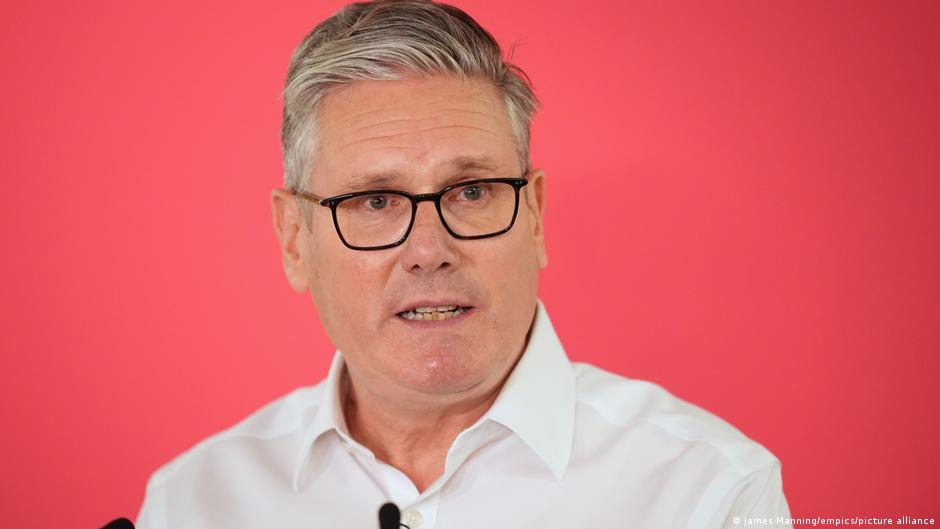
UK Prime Minister Keir Starmer has confirmed he will not resign following the Labour Party's significant electoral defeats in recent local, Scottish, and Welsh elections. While acknowledging the poor performance and accepting responsibility for the results, Starmer framed his decision to remain as a necessary move to prevent the political instability he attributes to the former Conservative government. He argued that stepping down would plunge the country into chaos, a stance he contrasts sharply with the instability of the previous administration.
The party suffered its worst local election results in decades, losing over 1,400 council seats across England. This decline saw Labour slip to third place in the Welsh Senedd and witness the Scottish National Party reassert its dominance in Scotland. The losses were attributed to a split vote, with the party losing ground to both the populist right represented by Reform UK and the populist left represented by the Greens.
Internal pressure on the Prime Minister is mounting, with more than 30 Labour MPs urging him to step down. MP Catherine West has threatened to launch a leadership challenge by Monday if colleagues do not, while former deputy leader Angela Rayner has issued a list of required achievements without explicitly calling for Starmer's resignation. Starmer, however, stated he knows he has doubters and intends to prove them wrong by fixing the party's direction.
In his address, Starmer outlined a strategy to stabilise the party through specific policy shifts, including the nationalisation of British Steel, closer ties with the European Union post-Brexit, and expanded youth employment programs. He emphasised that these measures represent a complete break from a status quo that has failed working people, citing his late brother's unstable employment history and his sister's lack of sick pay during the pandemic as personal motivations for his approach.
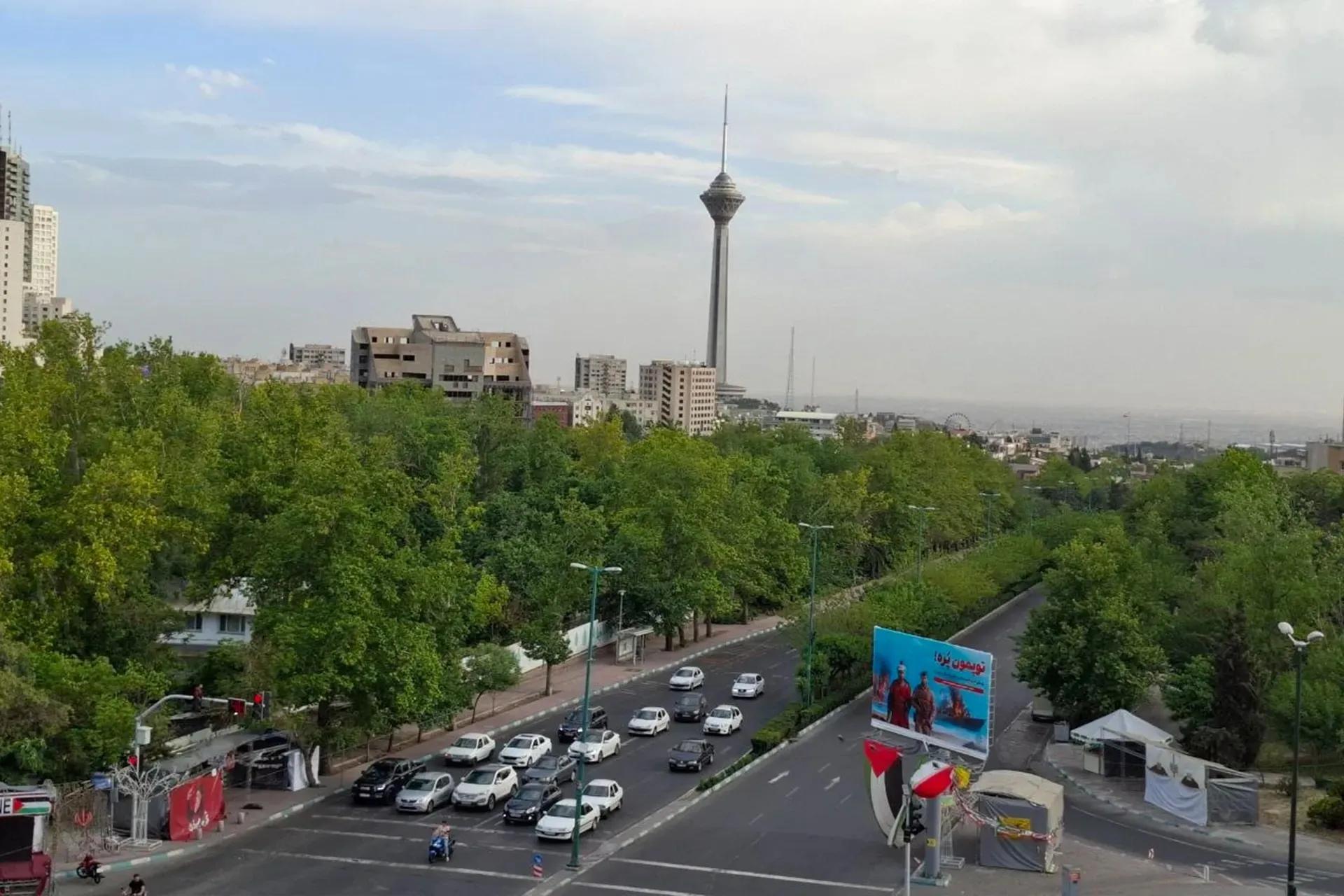
The Prime Minister also addressed the economic shock caused by the war in Iran, noting voter frustration over paying for a conflict Britain is not involved in. He linked this to a broader two-decade history of crises, including the 2008 crash, austerity, Brexit, and the Ukraine war, which he argued had buffeted the nation repeatedly. Starmer insisted that the response this time must be different, enshrining his political compass of "strength through fairness" in the upcoming King's Speech.
Starmer largely focused his critique on the populist threat from Reform UK and the Greens, rather than the resurgent nationalist parties in Scotland and Wales. He argued that neither Nigel Farage nor Zac Polanski offer the serious and progressive leadership these times demand, positioning his government as the only viable path forward for those for whom the status quo has not worked.