Starling startup proves better microwave audio requires code, not hardware
The two-person firm’s software solution highlights a broader industry shift where manufacturers like Whirlpool are prioritising audio design to differentiate products in a competitive market.
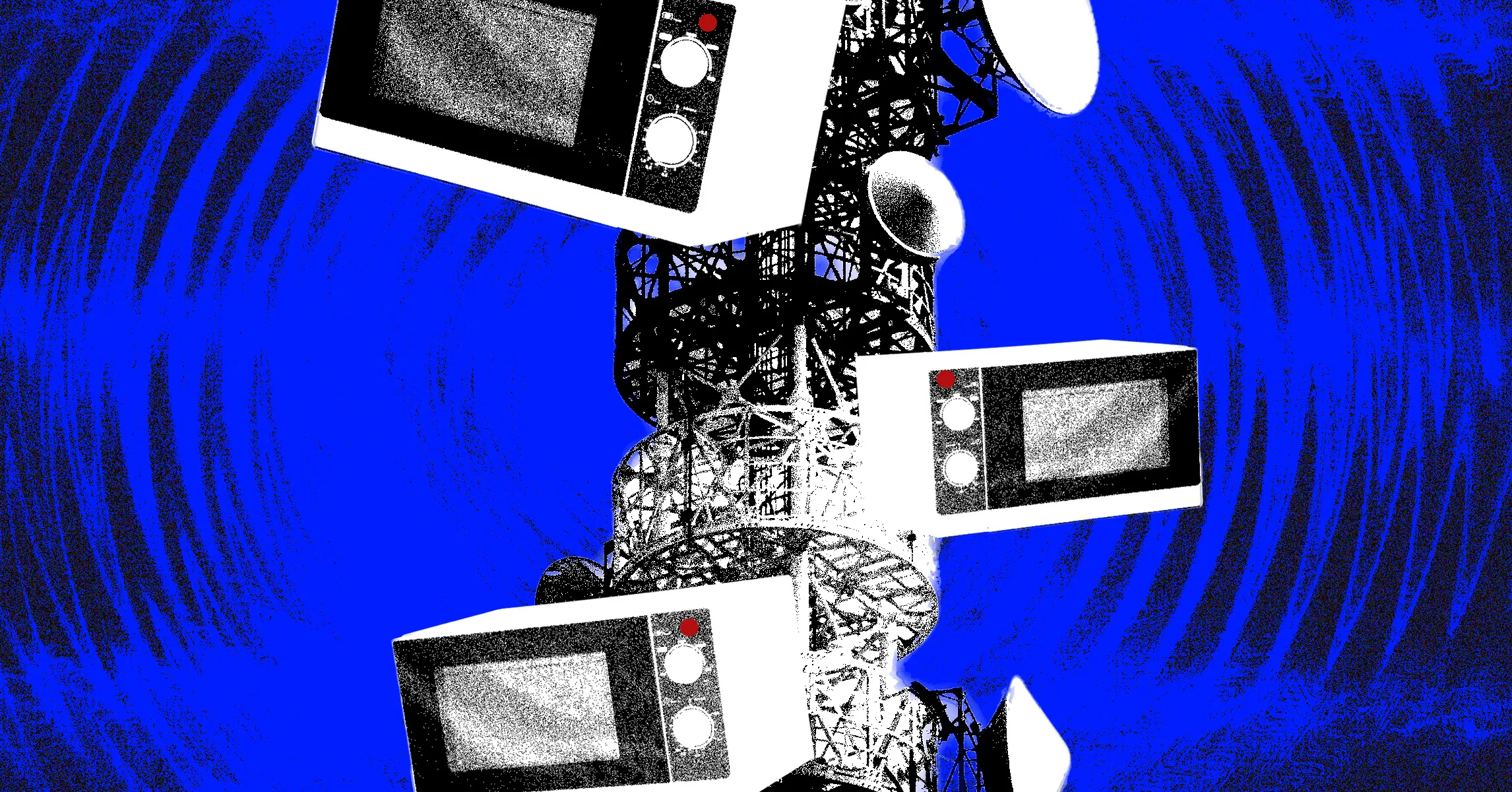
Starling, a two-person startup founded by sound designers Joel Corelitz and Colin Coogan, has developed a software-based solution to replace the harsh, standard beeps of microwave ovens with more pleasant audio cues. By utilising existing piezoelectric buzzers and microcontrollers, the duo employs C++ code to generate alternative sounds, such as trills and frequency sweeps, without the need for new hardware. This initiative reflects a broader industry shift where manufacturers, including Whirlpool, are increasingly prioritising user experience and audio design as key differentiators in consumer purchasing decisions. Former Whirlpool UX designer Richard Hughes notes that such "delighters" are becoming significant factors in product appeal, with Whirlpool currently implementing sound strategy improvements for new market entries.
Corelitz and Coogan, who have previously worked with clients including Sony, Microsoft, Netflix, and Sega, created the solution after recognising the universal frustration with the "cortisol-inducing" tones emitted by kitchen appliances. Their approach exploits the resonant frequency of piezo buzzers to simulate volume dynamics, creating the illusion of louder and quieter sounds without actual volume changes. Using an Arduino UNO R4 Minima microcontroller and a software tool called 'Microwave Sound Bench', the duo demonstrated a suite of alternatives including short-duration trills, frequency sweeps resembling cartoon falling objects, arpeggios, and video game-style sequences.
The project highlights a growing industry trend where manufacturers are beginning to prioritise user experience and audio design to differentiate products. Richard Hughes, former principal UX designer at Whirlpool, confirmed that Whirlpool previously experimented with similar piezo-based sound improvements, notably on a KitchenAid Pro Line toaster, which received positive feedback for its "flight attendant call button" style sound. Hughes noted that Whirlpool is currently implementing sound strategy initiatives for products entering the market, focusing on improving the "lowest common denominator" of piezo sounds.
Social media response to Starling’s work indicated strong consumer interest, with comments suggesting users would pay up to $50 more for microwaves with improved audio. The startup also designed a soft, premium click sound for button presses, mimicking the feedback found on smartphones. Corelitz emphasised that any microcontroller accepting C++ can take different programming to produce these sounds, meaning the solution is theoretically compatible with existing hardware inside most microwaves.
Hughes, now Volvo's design lead for digital user experiences and interfaces in North America, observed that many established brands lack internal audio expertise, relying instead on engineering for product noise. He explained that technical specifications and sounds are often carried over from one product to the next, resulting in the piercing noises consumers have come to hate. However, he noted that "delighters" are now recognised as key roles in purchasing decisions, with improvements trickling down from premium product lines to mass-market appliances.
Starling’s founders are not concerned about competitors borrowing their ideas, with Corelitz stating that their value lies in their sensibilities as designers and audio consultants rather than the code itself. The duo aims to solve the problem of annoying noises that do not contain good information, with Coogan hinting at a "hit list" of other annoying sounds they are prepared to address. As the industry moves towards more sophisticated audio strategies, Starling’s work provides a blueprint for how software updates can enhance consumer experience without increasing hardware costs.
The initiative underscores the potential for software-driven improvements to elevate everyday appliances. By focusing on the "lowest common denominator" of piezo sounds, manufacturers can achieve significant gains in user satisfaction with minimal investment. As Whirlpool and other major brands refine their sound strategies, the era of the harsh microwave beep may finally be coming to an end, replaced by audio cues that are both functional and pleasant.