Stalemate deepens as US-Iran standoff shifts toward protracted 'frozen' conflict
With negotiations deadlocked two months after a joint US-Israel attack, competing naval blockades of the Strait of Hormuz are disrupting global energy supplies while military spending in the region surges.
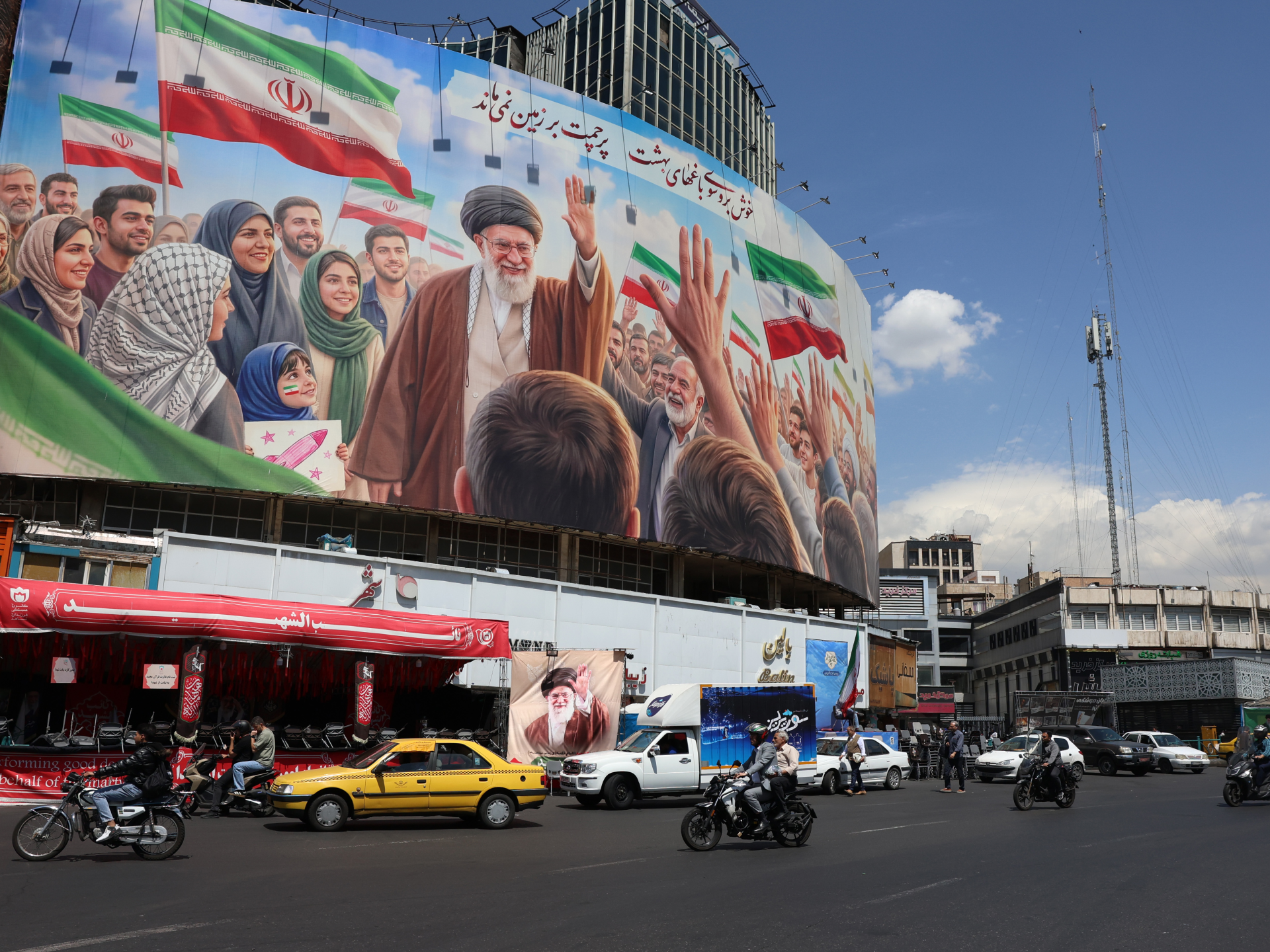
Two months after a joint US-Israel surprise attack on Iran, diplomatic efforts have stalled while competing naval blockades of the Strait of Hormuz continue to disrupt global energy supplies. Despite a ceasefire in force since 8 April, the conflict is evolving into a low-intensity, protracted 'frozen' state characterised by attrition and periodic strikes rather than a decisive conclusion. This scenario presents significant economic and political costs, with US military spending rising sharply and regional instability increasing.
White House spokesperson Anna Kelly confirmed that the United States remains engaged in negotiations but will not be "rushed into making a bad deal", following discussions between President Donald Trump and security advisers on a new Iranian proposal. However, the President has rejected the offer, maintaining that the maritime blockade on Iranian ports will continue. All military options remain on the table despite the ongoing diplomatic engagement, leaving the region in a state of suspended conflict.
The United States has deployed a third aircraft carrier strike group and over 10,000 troops to the region, marking the largest military buildup since the 2003 Iraq invasion. In a move that underscores the long-term nature of the strategy, the US Department of Defense requested $53.6bn for autonomous drones for the 2027 fiscal year, representing a roughly 24,000 per cent increase from the previous year. This massive funding request signals a shift toward sustained pressure rather than a rapid resolution.
Iran is leveraging the Strait of Hormuz to pressure the United States, while the US maintains that military options remain on the table. Analysts note that the prolonged conflict has already exceeded President Trump's initial projection of four to five weeks. The American foreign policy think tank Quincy Institute estimated that Washington's costs incurred over the first month of the war were between $20bn and $25bn, with a full-scale ground operation potentially costing more than $650bn a year.
The economic fallout is already being felt globally, with US fuel prices reaching nearly $4.18 a gallon, the highest level in nearly four years. A report by the United Nations Development Programme (UNDP) highlights that military escalation is affecting employment, livelihoods, and food security in Iran due to supply chain disruptions. Much of Iran's grain imports pass through the Strait of Hormuz, and shipping disruptions have tightened domestic supplies, increasing food insecurity risks for the country's 90 million people.
Experts warn that a "mowing the grass" strategy, alternating quiet with large-scale operations, may be risky when applied to Iran's state-level drone and missile capabilities. Michael Kerr, a historian and political scientist at King's College London, noted that while this tactic works against non-state actors, the risks incurred against a state actor are significantly higher. The West's expectation that regional ambitions can be contained through bombing is destined to fail, potentially leaving the Gulf states without the renewed stability and economic prosperity they aspire to.