SportsLine model projects low-scoring affair for NBA Finals Game 4
The projection tool, which has generated significant returns for bettors over eight seasons, identifies only two players likely to exceed 20 points in Wednesday’s contest.
The SportsLine Projection Model has released its betting predictions for Game 4 of the 2026 NBA Finals, setting the stage for a pivotal contest between the New York Knicks and the San Antonio Spurs. Following a victory in Game 3 on Monday, the Spurs have taken a 2-1 lead in the series, effectively ending the Knicks’ 13-game postseason winning streak. Tip-off is scheduled for 8:30 p.m. ET on Wednesday at Madison Square Garden in New York City.
According to the latest odds from FanDuel Sportsbook, the Knicks are listed as 1.5-point favourites for the home game. The over/under for total points scored is set at 215.5. Historically, New York has performed well against the spread at home this season, posting a 32-15-1 record, while the Spurs have similarly strong metrics as underdogs, sitting at 17-8 ATS.
The SportsLine Projection Model, which simulates every NBA game 10,000 times, has entered the 2026 NBA Finals on a 26-10 run, representing a 72 per cent win rate on its top-rated NBA spread picks for the season. Over the past eight-plus seasons, the model has reportedly returned well over $10,000 in betting profit for players wagering $100 on its selections.
After running 10,000 simulations of the Game 4 matchup, the model projects the total points to go under the 215.5 line. The Under hit in 55 per cent of the simulations, with the teams combining for 214 points on average. This aligns with broader trends, as 53 per cent of New York’s games and 54 per cent of San Antonio’s games this season have gone under. While the Over cleared in Game 3, the first two games of the series were both Unders with significant margin.
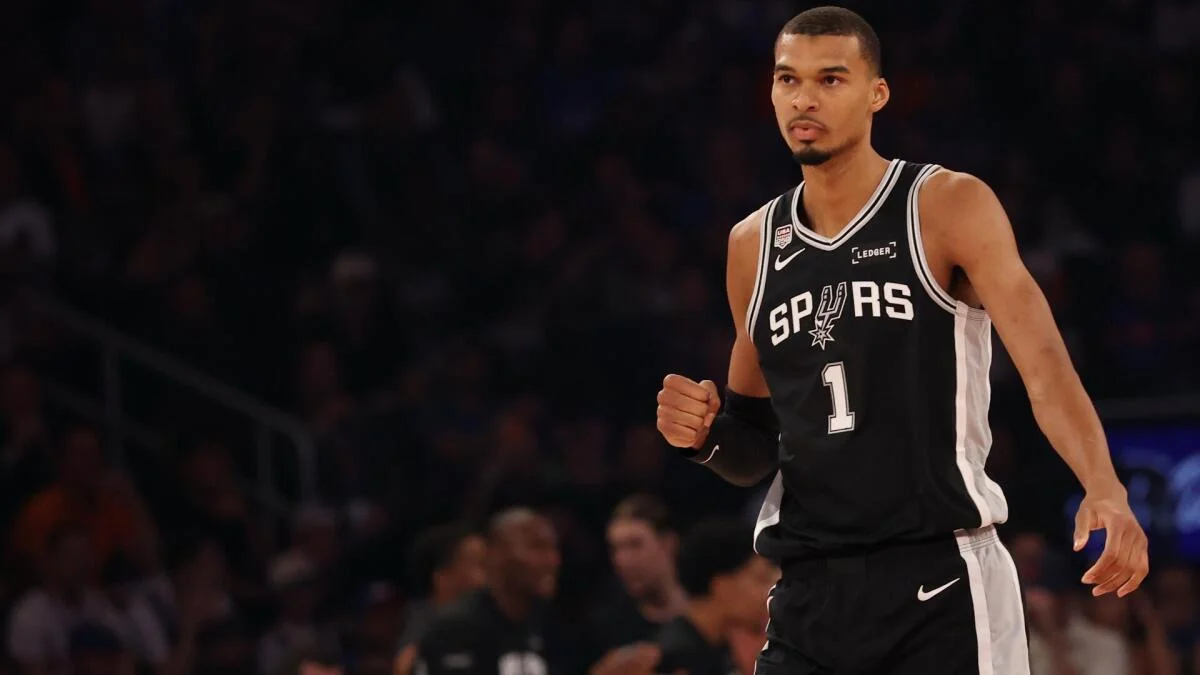
The model also identifies only two players likely to score over 20 points in the contest: Victor Wembanyama for the Spurs and Jalen Brunson for the Knicks. Additionally, the simulations indicate that one side of the point spread hits in well over 50 per cent of scenarios, though the specific team is not explicitly named in the current data.