Spain’s policy and style reshape New York’s World Cup allegiances
From the Spanish Benevolent Society to West African enclaves, New York’s support for Spain reflects a convergence of sporting merit, heritage ties, and inclusive governance.
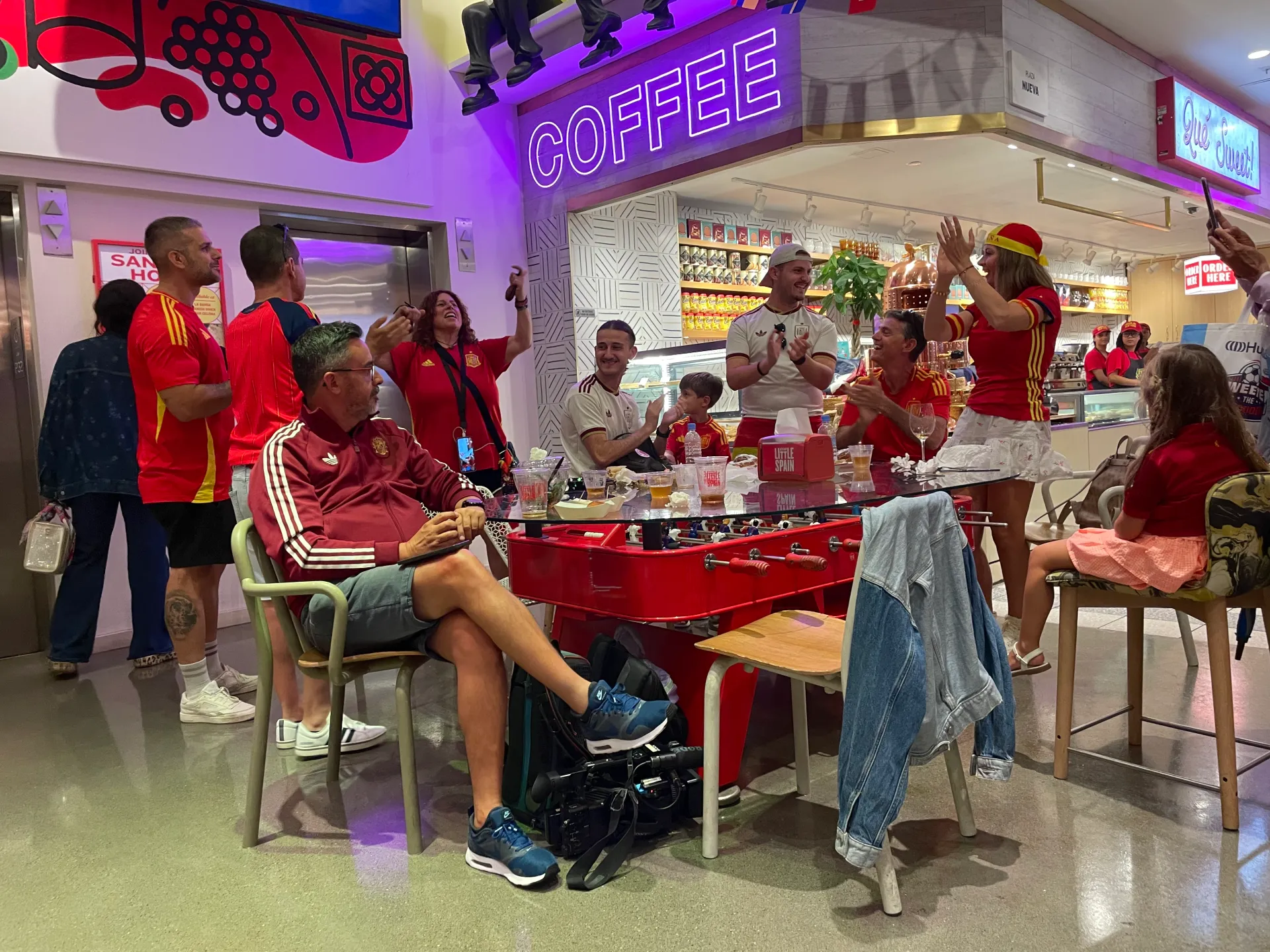
Ahead of the 2026 World Cup final in New Jersey, New York City has witnessed a significant realignment of football allegiances, with Spain’s national team attracting a broad coalition of supporters beyond its traditional base. The Spanish Benevolent Society in Manhattan is hosting a capacity watch party, marking a revival of the 150-year-old organisation’s community presence after its initial founding to assist newly arriving immigrants. Robert Sanfiz, 57, who oversees the nonprofit, noted that late requests for the event have already filled the venue, underscoring the enduring appeal of La Roja in a neighbourhood where the historic Spanish enclave has largely faded.
The team’s consistent performance, characterised by a team-first approach under manager Luis de la Fuente and the emergence of 19-year-old striker Lamine Yamal, has stabilised expectations among long-term supporters. Javier Vriz, 38, a lifelong fan who travelled from Chicago, described the experience as "unreal," highlighting the squad’s unwavering commitment to a "Spanish style" of play that prioritises positional dominance over individual prowess. This strategic consistency has resonated with fans who view the team’s methodical approach as a departure from the volatility of previous tournaments.
Spain’s success has also drawn neutral fans from communities whose primary teams were eliminated earlier in the competition. Rolando Sanchez, 26, a Bronx resident and former supporter of Mexico, stated that many Mexican fans have turned against Argentina following their controversial run through the knockout stages. Sanchez indicated that while he respects Lionel Messi, he views Spain’s youthful class as the future of the sport, reflecting a shift in preference among Latin American diaspora communities who are seeking alternatives to teams with contentious histories.
Cultural and political factors have further bolstered Spain’s standing among Arab and West African communities in the city. Support has grown in Brooklyn’s Little Palestine, influenced by the Spanish government’s recognition of Palestinian statehood and Yamal’s paternal ties to Morocco. Similarly, West African support is buoyed by the heritage of players such as Yamal, whose mother is from Equatorial Guinea, and Nico Williams, whose parents are from Ghana. These connections have helped Spain build a diverse base of new supporters who see the team as a reflection of their own identities.
The appeal of the Spanish national team extends to perceptions of governance and social policy. Ousman Saho, 34, a coach from The Gambia, highlighted Spain’s labour integration and legalisation drives for undocumented migrants as inspiring, contrasting this with the hardline approaches seen in other European nations. Mamadou Diabate, 36, an Ivory Coast-born coach, praised Spain for showcasing "beautiful soccer" and teamwork, noting that the team’s style offers a positive model for global football. As the final approaches, these converging factors suggest that Spain’s victory would resonate deeply with New York’s multicultural fabric.