Spain threatens reciprocal border checks as Ceuta dispute escalates with Italy
The European Union faces renewed internal friction as Spain warns of counter-measures against Italy unless border controls are lifted by 9 August, marking a significant policy clash over migration governance.
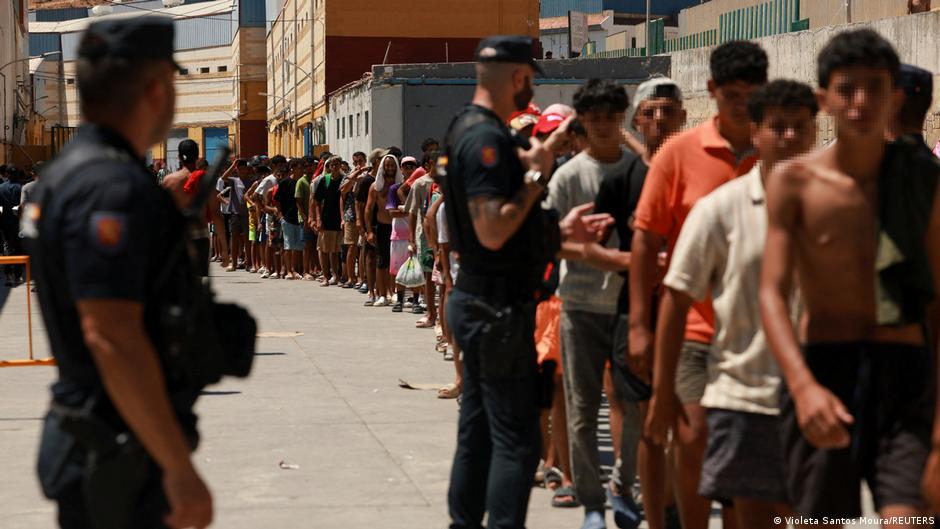
The Spanish government has issued a formal ultimatum to Italy, threatening to impose reciprocal entry checks on travellers from Rome unless Prime Minister Giorgia Meloni’s administration lifts its own border controls by Sunday, 9 August. The dispute centres on Italy’s decision to suspend Schengen rules for non-EU nationals arriving from Spain, a move Madrid has condemned as unjustified and discriminatory against the Spanish population.
The tension erupted following a recent influx of migrants into the Spanish exclave of Ceuta, where an estimated 72,000 people entered from Morocco. Spain has argued that the situation was mismanaged by Rome, noting that the vast majority of those who crossed the border returned to Morocco within days. Madrid emphasised that there is no land border between the two nations, meaning the controls primarily affect air travel and pose no genuine risk of migrants reaching the European mainland or Italy.
In a statement outlining its position, the Spanish government declared that if Italy fails to remove the checks before the deadline, it will be forced to adopt proportionate measures to protect the interests and dignity of its citizens. Prime Minister Pedro Sanchez highlighted the disparity in migration statistics, pointing out that higher numbers of irregular migrants have reached Italian territory than Spanish territory in recent years, challenging the rationale behind Italy’s suspension of Schengen protocols.
Italy has firmly rejected the Spanish ultimatum, stating it would not bow to impositions or ultimatums from Madrid. The Italian government confirmed it intends to maintain the suspension of Schengen rules for non-EU nationals arriving from Spain until at least 15 August. This refusal has escalated the tit-for-tat between the two EU members, with Italy framing the issue as a necessary suspension of Spain’s Schengen status amid public pressure.
The diplomatic spat has exposed deeper divisions within the European Union regarding migration policy and the integrity of the open-border zone. While countries such as Finland and Denmark have expressed support for Italy’s stance, the Czech Republic has suggested suspending Spain’s Schengen membership. The European Commission and Germany have also weighed in, emphasising the importance of border security while navigating the complex political landscape.
Migration analyst Gerald Knaus characterised Italy’s move as pure populism driven by domestic political pressure from the radical right, rather than a reflection of foreign policy realities. Knaus noted that despite the public rhetoric, Italy is pursuing policies comparable to Spain’s, with hundreds of thousands of people being regularised for the Italian labour market under Meloni’s government, suggesting the border checks are symbolic rather than substantive.