Spain claim historic double with World Cup victory over Argentina
Captain Rodri named player of the tournament as Spain’s defensive record proves decisive in New Jersey final
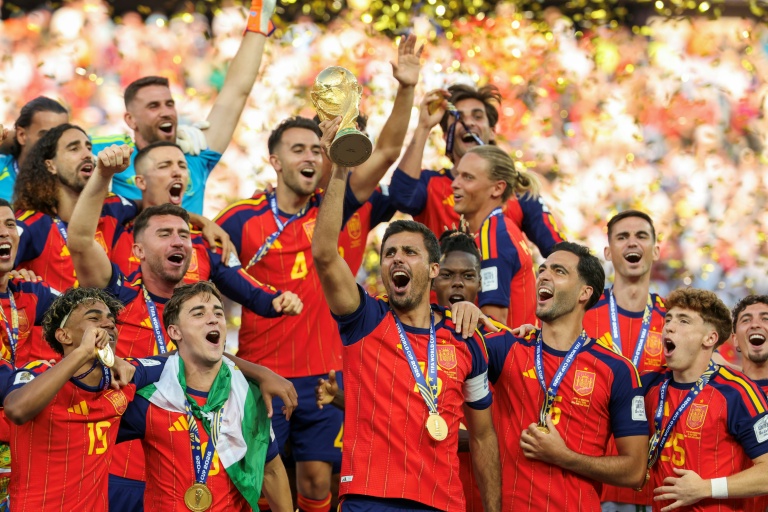
Spain have secured their second FIFA World Cup title after defeating defending champions Argentina 1-0 in extra time at MetLife Stadium in New Jersey. The victory, sealed by a goal from Ferran Torres in the 106th minute, completes a historic double for the national side, which also retained the European Championship won in 2024. This achievement makes Spain the first nation to hold both the World Cup and European Championship titles simultaneously since the country accomplished the feat in 2008 and 2010.
The win was anchored by a defensive solidity that defined the tournament. Spain conceded only one goal across eight matches, a statistic that included a shutout in the final where they registered zero shots on target against. This defensive discipline was overseen by captain Rodri, who was named player of the tournament, surpassing high-profile attacking talents such as Lionel Messi and Kylian Mbappe in the individual awards.
Argentina’s attempt to become the first team to successfully defend the World Cup since 1962 ended without a single shot on target. The match highlighted a contrast between the tournament’s overall offensive output and Spain’s methodical approach. While the 2026 tournament, the first to feature 48 teams, recorded an average of 2.96 goals per game, Spain scored just 14 times in their eight victories.
Manager Luis de la Fuente, who took charge following Spain’s 2022 exit, has now secured two major trophies. His contract runs until Euro 2028, and his side will next face England and Croatia in the upcoming Nations League. The victory also marks a significant moment for 19-year-old Ferran Torres, who joins an elite group of only ten players to win the World Cup as a teenager.
The triumph signals a shift in international football dynamics, with established coaches such as Carlo Ancelotti and Thomas Tuchel failing to meet expectations for Brazil and England respectively. Spain’s success, built on collective defensive structure rather than individual stardust, sets the stage for the 2030 World Cup, where they will defend the title on home soil for the first time in history.