Spain and Italy clash over Schengen integrity as Ceuta migration crisis deepens
Spain has threatened proportionate counter-measures after Italy refused to lift border controls, escalating a dispute that has exposed fault lines within the European Union’s border-free zone.
Spain has issued a formal warning to Italy, stating it will impose counter-measures if Rome does not reverse its decision to reinstate border controls. The ultimatum, delivered by the Spanish government, demands the lifting of restrictions by Sunday, 9 August, describing Italy’s actions as unjustified and discriminatory against the Spanish population. Madrid has indicated it will introduce proportionate measures to protect the interests and dignity of its citizens should Italy fail to comply, although specific details of these reprisals were not outlined.
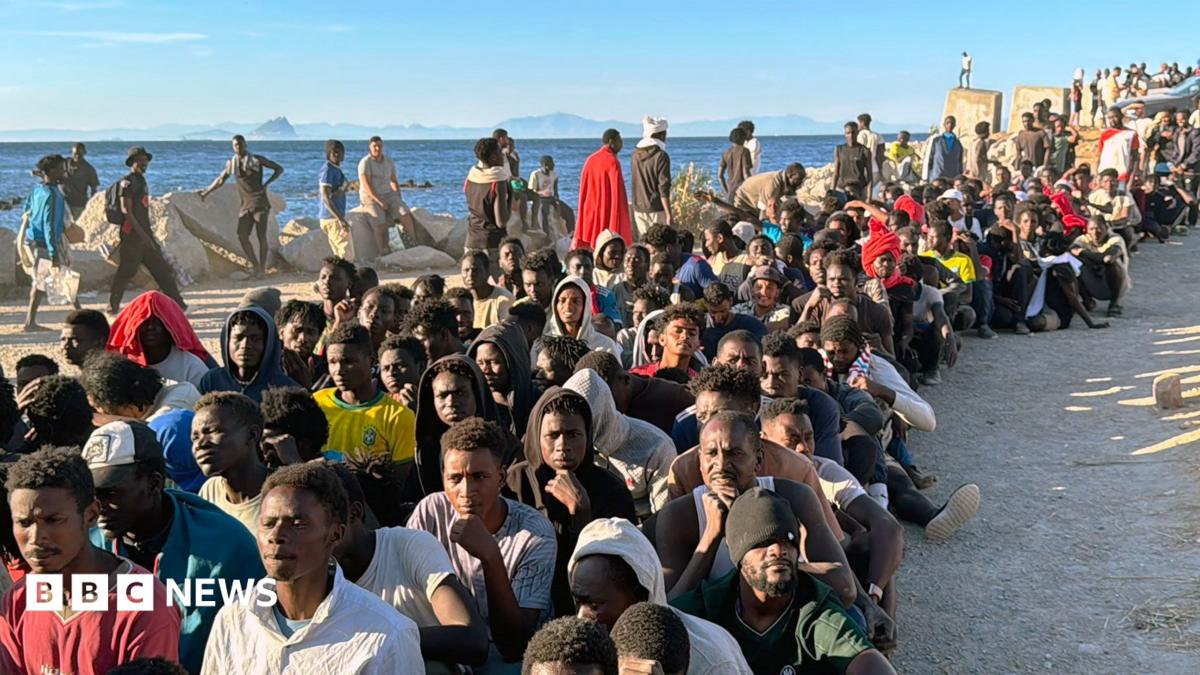
The diplomatic row stems from a mass migrant crossing into the Spanish exclave of Ceuta in late July, where approximately 78,000 individuals arrived from Morocco in a matter of hours. The event resulted in around 100 deaths and has severely strained relations between Spanish Prime Minister Pedro Sanchez and Italian Prime Minister Giorgia Meloni. In response to the influx, Italy partially suspended its Schengen agreement with Spain on 1 August, closing maritime and air entry points and reinforcing land borders to prevent migrants from travelling to Italy.
Italy has firmly rejected Spain’s ultimatum, with the Italian government stating it would not accept ultimatums or impositions from Madrid. Prime Minister Meloni defended the controls as an extraordinary measure necessary to safeguard national security. Rome plans to maintain border checks until at least 15 August, arguing that Spain expects a new wave of migration to hit Ceuta at that time. However, the Spanish prime minister’s office has stated it does not expect a repeat of the previous week’s events, despite reports of coordinated attempts circulating on social media.
The dispute has triggered significant friction within the European Union, highlighting divisions over migration policy and the integrity of the Schengen area. Finland and Denmark have expressed support for Italy’s position, while the Czech Republic has suggested suspending Spain’s Schengen membership. Spain has dismissed Italy’s justification for the controls, noting that the two nations do not share a land border and that the vast majority of migrants have already returned to Morocco.
Underlying the immediate crisis is a legal dispute regarding the treatment of migrants at sea. The crossings followed a Spanish Supreme Court ruling that migrants stopped while attempting to reach Ceuta or Melilla cannot be summarily returned to Morocco. Morocco has blamed this judicial decision for the collapse of deterrence, with government sources claiming the deterrent element of the system failed due to a judge’s decision rather than criminal activity. Meanwhile, EU Migration Commissioner Magnus Brunner and the Spanish government have pointed to criminal networks spreading disinformation as a primary driver of the crossings.
As the political standoff continues, humanitarian concerns remain acute in Ceuta. Spanish Youth Minister Sira Rego reported that nearly 1,400 minors, including very young children, remain in the exclave. She stated that while the system was previously overwhelmed, the situation is now being brought under control with a priority placed on the most vulnerable cases. The crisis underscores the complex interplay between judicial rulings, diplomatic relations, and migration management within the EU.