Spain and France Confront Record Wildfires as Climate Pact Debate Intensifies
With extreme heat and dry conditions fuelling unprecedented fire risks across southern Europe, Spain’s Prime Minister Pedro Sanchez has called for a political pact on climate change, while France battles evacuations and excess mortality in the wake of a severe heatwave.
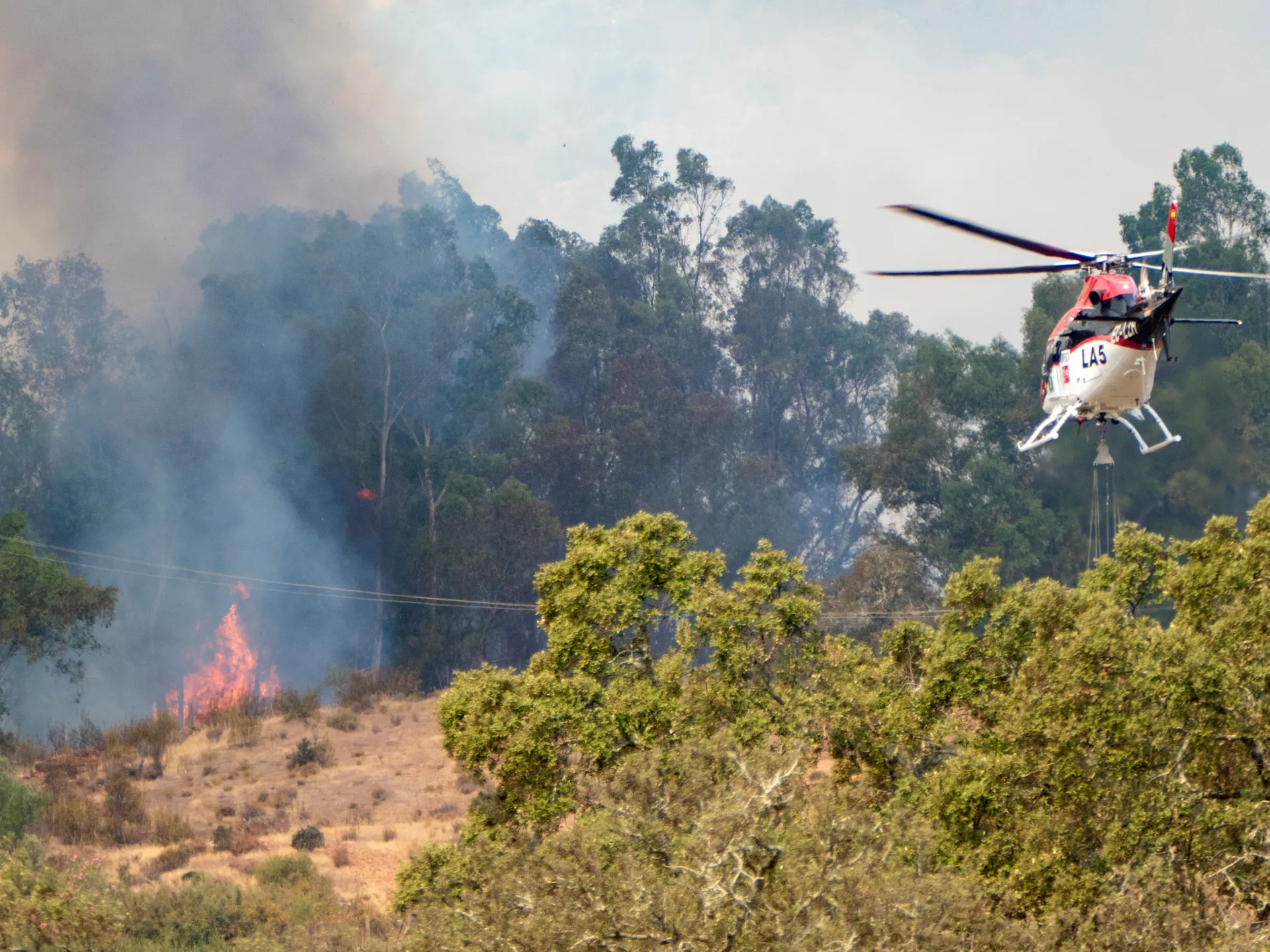
Spain and France are currently engaged in a significant struggle to contain widespread wildfires, with meteorological agencies warning of a high risk of further blazes amid soaring summer temperatures. The Spanish weather agency, AEMET, has classified wildfire danger as “very high or extreme” across most of mainland Spain and the Balearic Islands, citing dry thunderstorms and Saharan dust as compounding factors. This crisis follows a period of unprecedented heat in France, which recorded 5,764 excess deaths between June 17 and July 2, a figure authorities described as unprecedented for the population aged 15 and older.
In central Spain, firefighters are battling a blaze in the rural Guadalajara region, approximately 100km north of Madrid, which has already consumed 32,000 hectares. This incident ranks as one of the largest fires in the country’s recorded history and occurs less than two weeks after a deadly fire in southern Spain claimed the lives of 13 people. The scale of the devastation has prompted Spanish Prime Minister Pedro Sanchez to visit the affected village of Tamajon, where he urged political parties to form a pact to address climate change.
Sanchez emphasised that the recurring destruction was a matter of scientific fact rather than partisan politics. “Year after year we clearly see how climate change kills and destroys wealth in our communities,” he stated. Data indicates that wildfires have burned more land across Europe this year than the annual average over the past two decades. Scientists attribute this trend to human-driven climate change, which is increasing the intensity of heatwaves, droughts, and the conditions for sudden, destructive storms.
In France, cooler temperatures and lighter winds have aided containment efforts in the southeastern Var region, where a wildfire has destroyed dozens of houses and forced 400 people to evacuate. Commander William Vogl of the Var firefighters noted that while the situation remains difficult and the fire is not yet contained, wind conditions are expected to become more favourable. Regional Prefect Simon Babre has implemented bans on barbecues and requested that municipalities cancel traditional summer fireworks to mitigate further risk.
The extreme weather event has triggered widespread restrictions and warnings across the Mediterranean. Italy’s civil protection agency has declared all of Sicily at the highest risk for wildfires, with blazes reported near Palermo, Catania, and Agrigento. Meanwhile, Greece and Cyprus have imposed bans on outdoor work during peak midday and afternoon hours, respectively, as temperatures in both nations are forecast to exceed 41C. A fresh surge of heat, with highs reaching 44C, is expected in Mediterranean regions due to dry westerly winds.