SpaceXAI apologises for Memphis data centre outage that disrupted Grok and rival AI platforms
A three-and-a-half-hour failure at a Memphis facility has raised questions about shared infrastructure dependencies among major artificial intelligence firms.
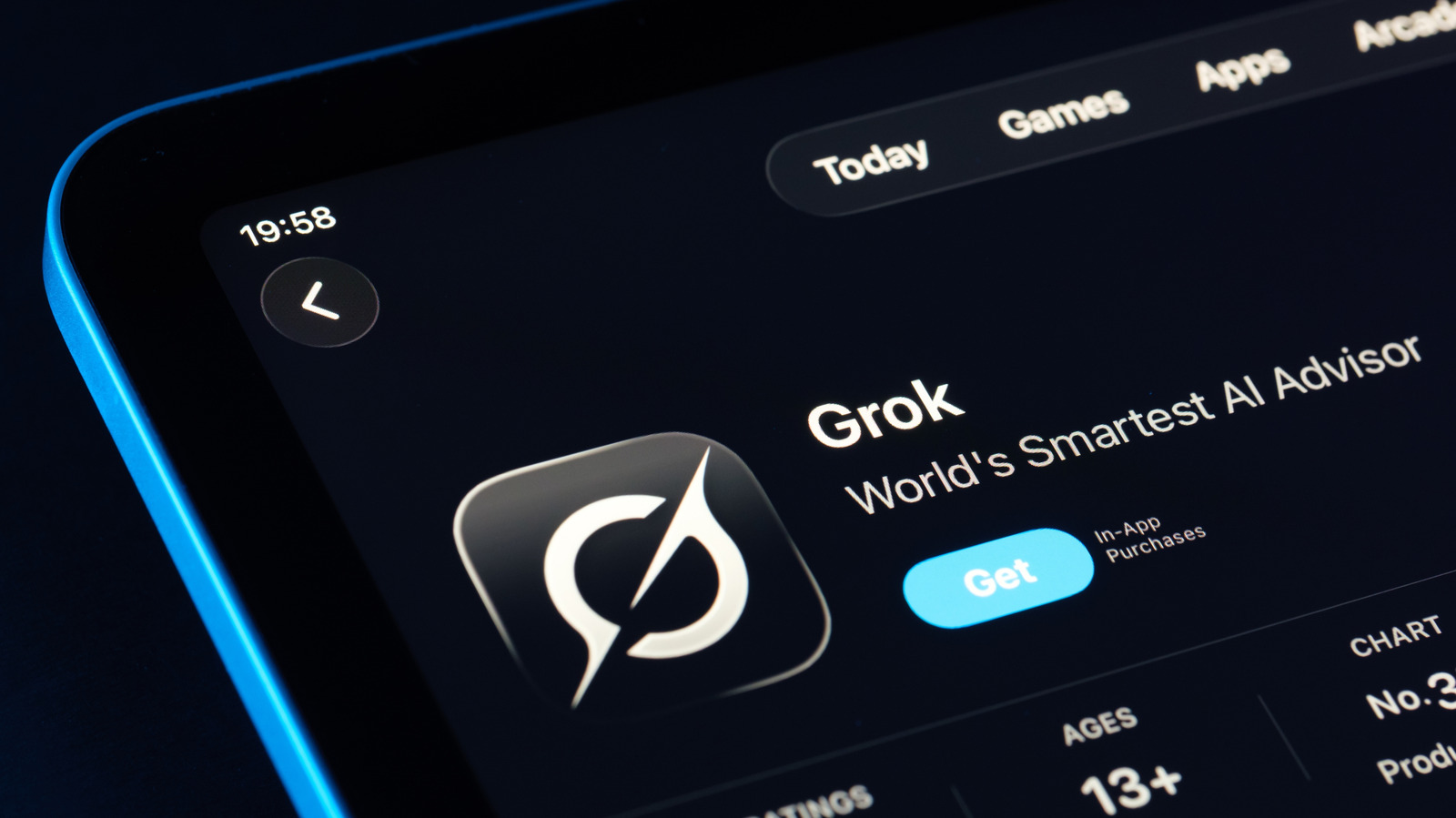
SpaceXAI has issued a formal apology for a significant outage at its Memphis data centre that disrupted its Grok artificial intelligence service on Thursday. The incident, which began at 6:30 AM Pacific Time, rendered the service unavailable for three and a half hours across the X platform, as well as Android and iOS applications.
The company attributed the disruption to a "models outage" at the Memphis facility, though the specific technical cause was not disclosed. Elon Musk stated in a separate post that the firm is "taking corrective action to ensure this does not happen again."
The timing of the failure coincided with simultaneous service disruptions at other major AI companies, suggesting a potential shared infrastructure dependency. Anthropic reported "elevated errors for multiple models" starting around 6:30 AM PT, which affected Claude Mythos 5.1, Claude Fable 5.1, and Claude Opus 5. The issue was marked as resolved by 9:16 AM PT.
OpenAI also experienced difficulties, reporting "elevated errors across ChatGPT and Codex" beginning around 7:30 AM PT. According to reports on downdetector.com, the service was restored by 9:55 AM PT, although the company did not elaborate on the underlying cause.
SpaceXAI apologised to both Grok users and unnamed "compute partners" who were affected by the incident. This reference is notable given that Anthropic and SpaceXAI signed a deal earlier this year for Anthropic to lease compute from Musk’s AI firm.
Neither Anthropic nor OpenAI immediately responded to requests for comment regarding whether their respective outages were directly linked to the Memphis data centre. The simultaneous nature of the failures across multiple platforms has prompted industry observers to consider the role of third-party vendors or cloud providers in the current AI infrastructure landscape.