SpaceX Starship V3 debut ends in booster loss ahead of Nasdaq listing
The 407-foot vehicle reached space and separated successfully, but the Super Heavy booster was lost in the Gulf of Mexico after engine re-ignition failure, marking a critical test before the company’s anticipated public offering.
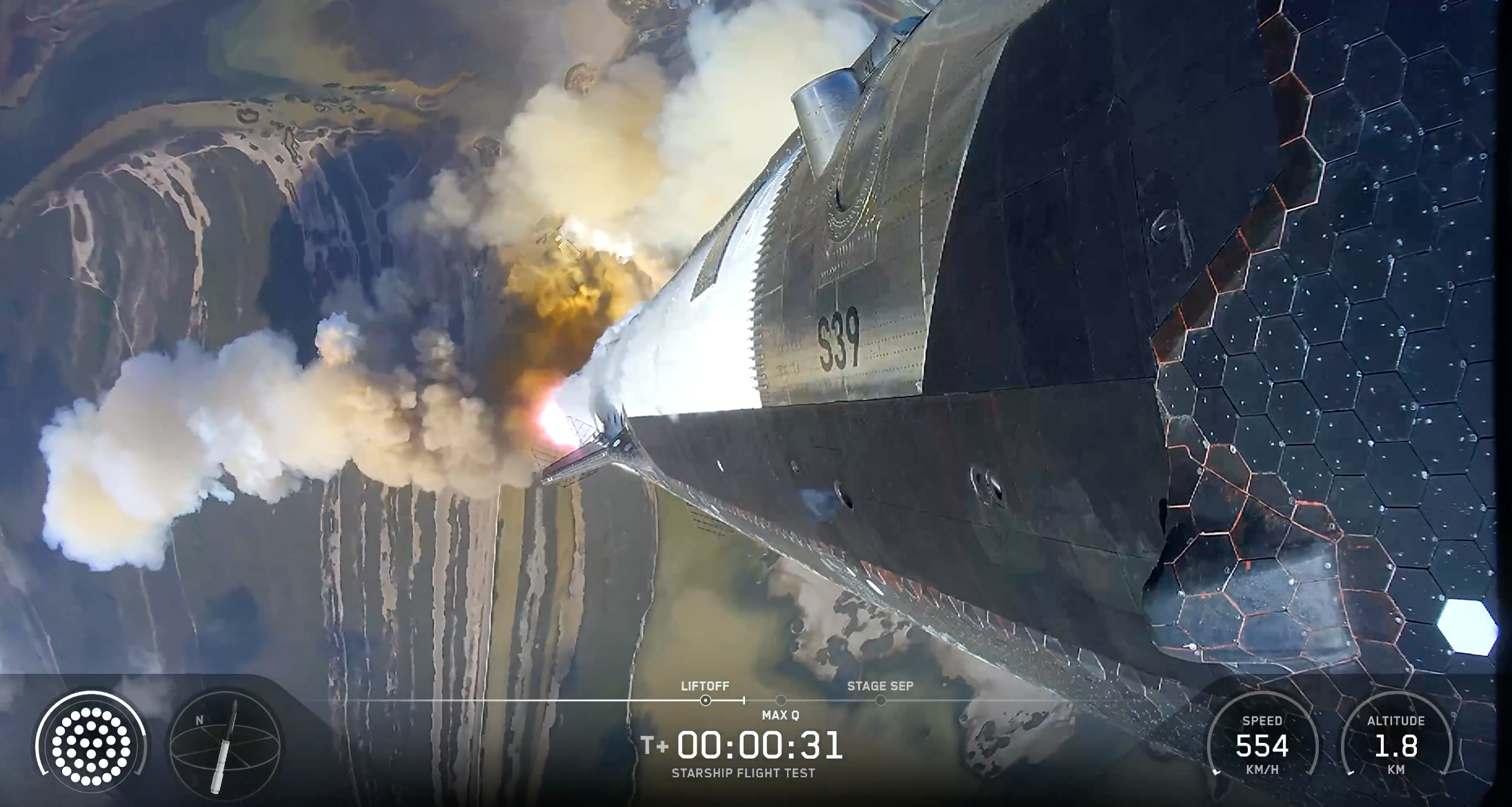
SpaceX conducted the inaugural launch of its upgraded Starship V3 rocket from Starbase, Texas, on 22 May 2026, a mission that underscored the technical complexities facing the company as it prepares for a public listing. The 407-foot vehicle, described as the most powerful rocket ever built, lifted off at 5:30 p.m. local time. While the upper stage successfully separated from the Super Heavy booster and continued its trajectory toward the Indian Ocean, the booster failed to re-ignite its engines for the sustained return burn and was lost in the Gulf of Mexico.
The test aimed to validate new hardware, including third-generation Raptor engines featuring increased thrust and a simplified design, as well as all-new launchpad infrastructure at Starbase. The Starship vehicle itself experienced a partial failure during ascent, losing one of its six Raptor engines. At the time of reporting, the upper stage remained in transit to the Indian Ocean, with the exact status beyond its trajectory not fully confirmed.
This launch arrives at a significant financial inflection point for SpaceX. The company’s initial public offering filing was made public this week, with an anticipated Nasdaq listing in mid-June. The IPO is reportedly expected to raise approximately $75 billion, funds the company intends to direct toward further development, substantial artificial intelligence ambitions, and the repayment of debt associated with xAI and its social media platform, X.
Starship is central to SpaceX’s long-term strategy, supporting planned missions for NASA to the Moon and eventual Mars exploration. In the near term, the vehicle is critical for deploying advanced Starlink satellites to Earth orbit, which supports Starlink, the company’s only profitable business segment. The successful separation of the upper stage demonstrates progress in this capability, despite the booster’s loss.
The mission followed a series of setbacks, including a delay earlier in the week due to a hydraulic pin failure on the launch tower arm and a previous test in November 2025 that resulted in an explosion. The last Starship flight had occurred in October 2025. The new booster was designed for faster takeoffs and easier catches by the launch tower, though it failed to return to the launch site during this inaugural V3 flight.