SpaceX shares dip as Starship booster fails in Gulf of Mexico
Following a historic $1.77 trillion IPO, technical setbacks continue to weigh on investor sentiment as the company’s stock slides from post-debut highs.
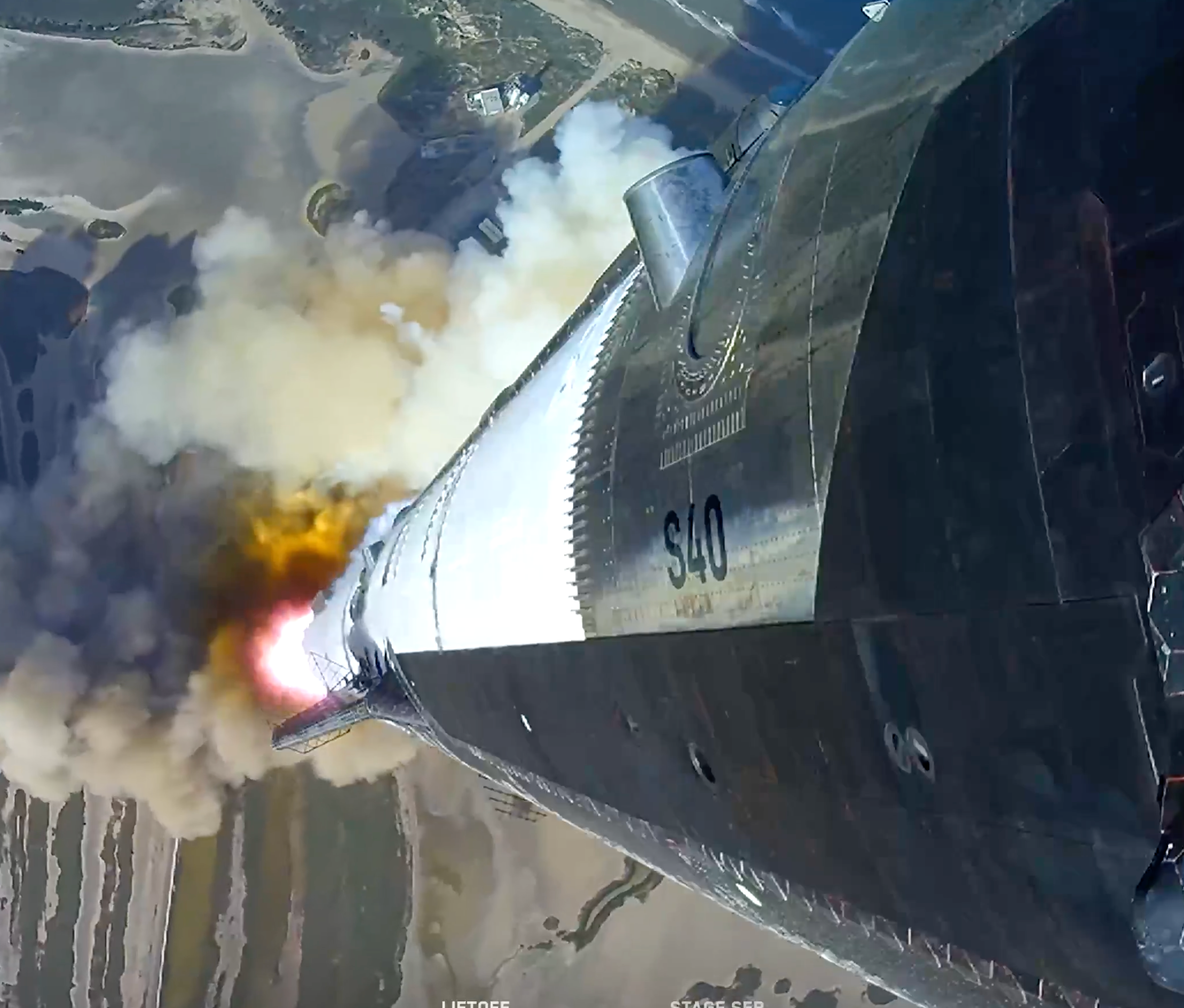
SpaceX successfully deployed the first third-generation Starlink satellites on Friday during the 13th test flight of its upgraded Starship prototype, but the mission concluded with a failure of the Super Heavy booster. The launch vehicle exploded after impacting the waters of the Gulf of Mexico faster than anticipated, marking the second booster-related issue for the V3 version of the rocket since May.
The incident occurred shortly after the company’s historic initial public offering in June, which valued the firm at approximately $1.77 trillion. Despite the successful satellite deployment, market reaction was negative. In after-hours trading, SpaceX shares fell 2 per cent following the booster failure before recovering some of those losses, continuing a downward trend that has seen the stock drop from a post-IPO peak of over $200 to $115 at the close of trading on Friday.
This flight followed a launch abort during the previous attempt, the 12th test flight, which was caused by multiple rocket engine failures. SpaceX replaced six engines ahead of Friday’s launch to address the issue. While the Super Heavy booster failed to properly fire up all engines required for its simulated landing burn, the Starship upper stage performed without issues, unlike the first V3 launch in May where an engine was lost.
The new Starlink satellites are designed to burn up in the atmosphere approximately 20 minutes after deployment, as the Starship prototype is not yet capable of reaching Earth orbit. The successful deployment of the satellites represents a functional milestone for the upper stage, even as the booster continues to face developmental hurdles.
The launch highlights the challenges of SpaceX’s “fly, fail, fix” development approach in the public markets. The stock declined in the days following the previous launch abort, reflecting investor sensitivity to technical setbacks. The company’s shares opened at $150 during its debut on 11 June 2026, following a record-breaking $75 billion IPO priced at $135 per share.