SpaceX conducts 13th Starship test flight with next-generation V3 Starlink satellites
The payload, delayed by weather, includes modified units to monitor the heat shield before re-entering the atmosphere.
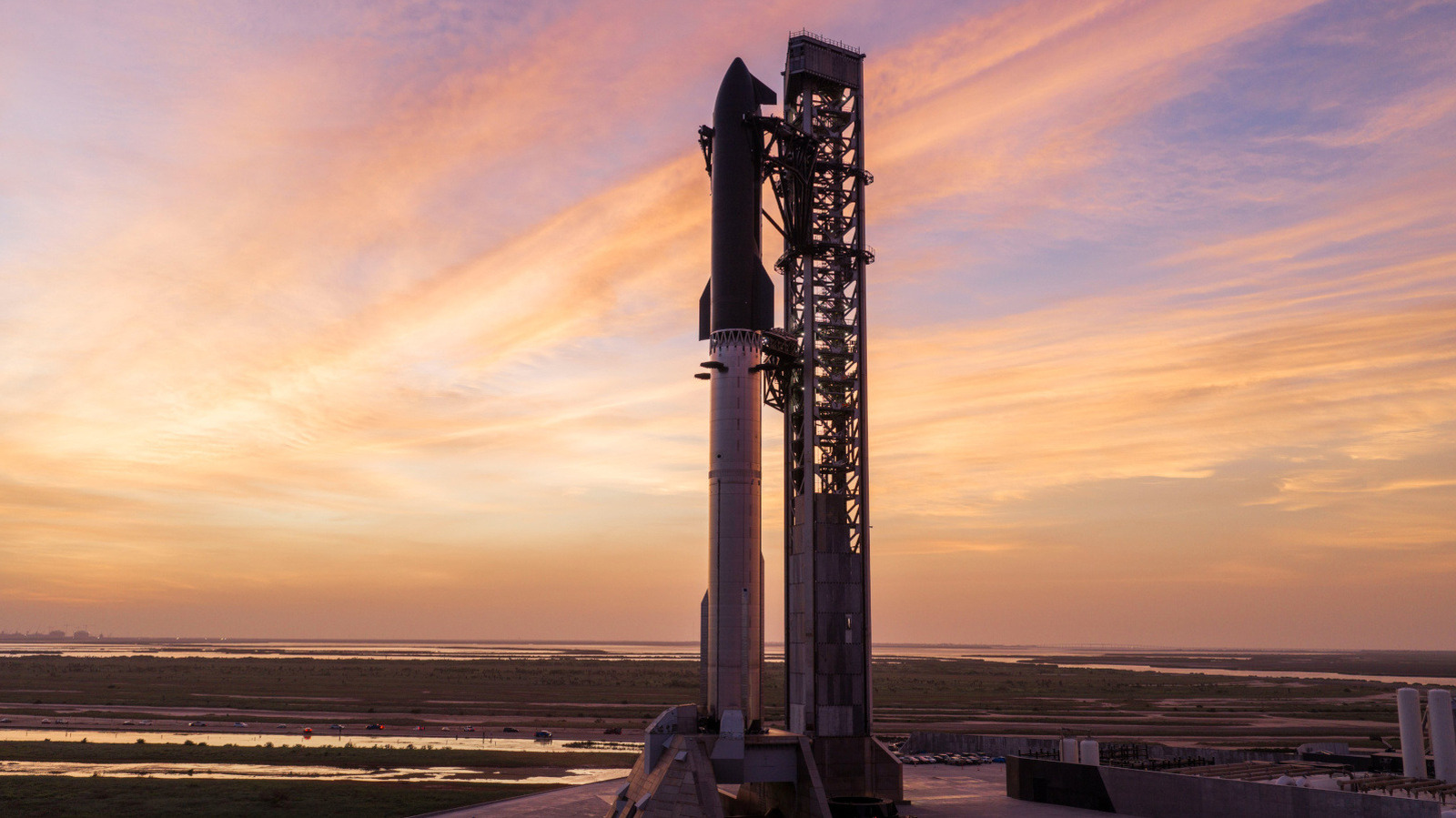
SpaceX has launched its 13th Starship test flight, carrying a payload of 20 next-generation V3 Starlink satellites. The mission, which proceeded after delays caused by unfavourable weather conditions, marks the first time the heavy-lift vehicle has carried this specific satellite variant. The primary objective is to verify satellite deployment, solar array and antenna extension, and laser connectivity within the Starlink constellation.
According to the company, the V3 satellites are designed to support up to 1 Tbps of downlink capacity, representing a tenfold increase over the previous V2 generation. The uplink capacity is stated to reach 160 Gbps, a 22-fold improvement. However, these performance metrics are company assertions and remain unverified by independent sources. Consequently, Starlink customers will not experience these capacity gains from this mission, as it is strictly a test flight.
Two of the 20 satellites were modified with cameras to monitor Starship’s heat shield during the ascent. These units will transmit images to the ground for analysis, providing data to support SpaceX’s ongoing efforts to ensure the vehicle is ready for more frequent flights. This approach allows the company to gather critical thermal data while conducting standard payload deployment tests.
The payload will remain in suborbital space, sharing the same altitude and trajectory as the Starship booster. It is scheduled to re-enter the atmosphere and burn up approximately 20 minutes after deployment. This flight follows the debut of the V3 Starship model during the 12th flight test in May 2026, marking the second launch for that specific vehicle iteration.
The mission aligns with SpaceX’s broader goal of collecting data to support iteration towards a fully and rapidly reusable design. While the V3 Starlink satellites represent a significant step in capacity planning, the immediate focus remains on validating the launch vehicle’s operational reliability and the satellite’s mechanical and communication systems in a suborbital environment.