SpaceX bets on NVIDIA chips for million-satellite orbital data centre
SpaceX has confirmed it will use NVIDIA’s Vera Rubin GPUs for its Starmind project, aiming to launch AI1 satellites in 2027 to bypass terrestrial power and land constraints.
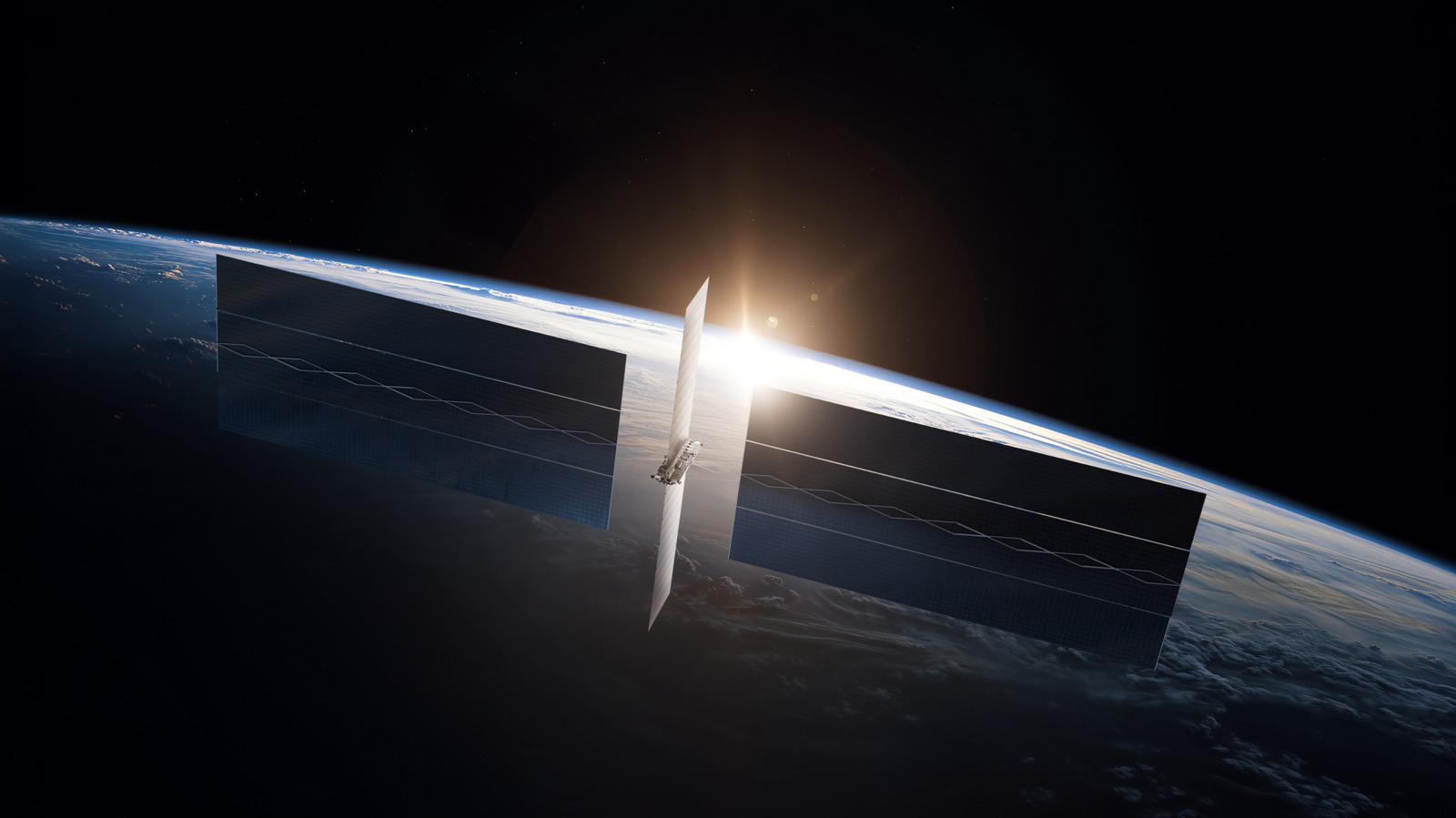
SpaceX has announced it will utilise NVIDIA’s Vera Rubin GPUs and CPUs for its Starmind orbital data centre initiative, a project designed to deploy up to one million satellites into Low Earth Orbit. The company filed an application with the Federal Communications Commission for the constellation, which aims to untether the growth of Musk’s xAI from Earth’s grid, land, and cooling limitations. While the long-term strategy involves reliance on Terafab, a $119 billion joint chip manufacturing plant with Tesla, SpaceX will initially depend on NVIDIA to meet its expedient timeline.
Elon Musk stated during the company’s Q2 earnings call that the initial AI1 satellites are “not some sort of far future distant thing,” with launches expected to commence in 2027. Each satellite is predicted to house approximately 72 NVIDIA chips, equivalent to a single server rack, to deliver high-speed computing power. SpaceX predicts each unit will produce up to 175kW of computing power on average, powered by a massive solar panel array generating 210kW. The satellites will beam AI results back to Earth via high-speed laser links utilising the Starlink system.
The project faces significant technical and financial hurdles. According to a July 2026 policy brief by Bain, data centre launches need to cost between $50 and $100 per kilogram to be economical, whereas SpaceX’s Falcon Heavy currently operates at roughly $1,500 per kilogram. The AI1 satellite is too large for the Falcon 9, placing the project’s viability on the in-development Starship rocket. Additionally, the satellites will require 1,700-square-foot liquid radiators to dissipate heat into the vacuum of space, a challenge that remains unproven at scale.
Experts have raised concerns about the reliability of advanced chip architectures in orbit. Dr. Benjamin Lee, a professor at the University of Pennsylvania, warned that smaller transistors in newer chips are more susceptible to bit flips caused by radiation. While AI systems can detect and correct these errors, the process adds an efficiency overhead that terrestrial rivals do not face. NVIDIA claims the Vera Rubin module delivers up to 25 times more AI compute than its older H100 model, but the long-term impact of radiation-induced data corruption on performance remains a subject of debate.
Maintenance in orbit presents further complications. A study by Meta indicated that hardware-related failures occurred as often as every three hours during training on Earth, suggesting that space-based data centres may face acute problems as Low Earth Orbit becomes more crowded. With a proposed one million satellites from SpaceX alone, experts worry about collisions with space debris and the adverse environmental consequences of a cluttered sky. SpaceX may ultimately launch new satellites with upgraded technologies rather than repairing or updating existing units.
Despite these challenges, Musk has downplayed the difficulty, arguing that much of the technology has already been developed for Starlink V3 satellites. He described the NVIDIA NVL72 VR computer design as superior to standard rack-style designs, noting it would be more effective and cost-efficient. The project represents a significant bet on orbital infrastructure to solve the power shortages and land scarcity plaguing the terrestrial AI race.