Sovereignty and €23bn pledge define conclusion of Africa Forward summit
Macron commits €23 billion investment package while Ruto frames national sovereignty as the central theme of the gathering.
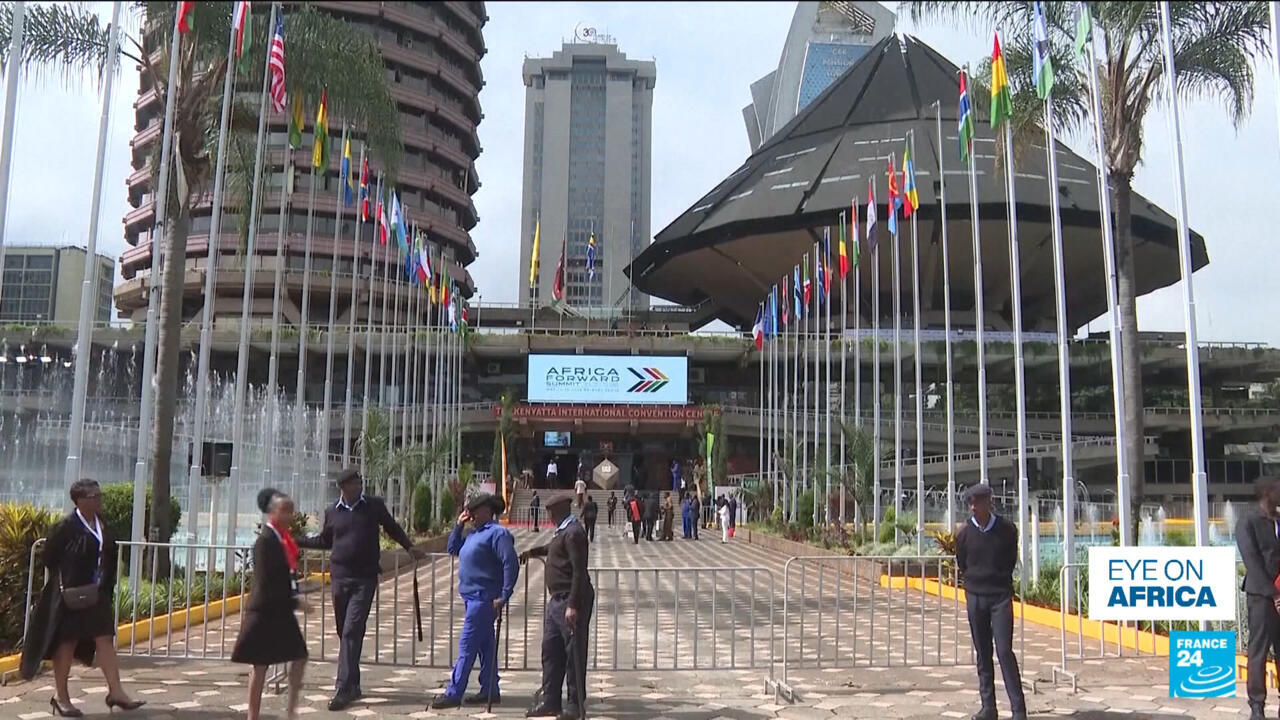
The Africa Forward summit has concluded in Nairobi with a dual focus on economic commitment and strategic independence. French President Emmanuel Macron announced a €23 billion investment package for the African continent, a mobilisation of funds drawn from both French and African public and private sectors. This financial pledge marks a significant development during the two-day gathering jointly hosted by France and Kenya.
Concurrent with the financial announcements, Kenyan President William Ruto emphasised national sovereignty as the key takeaway message at the event's closing ceremony. By framing sovereignty as the central theme, Ruto sought to define the nature of the new deals and partnerships being finalised between African nations and France. The summit outcomes reflect a shift towards institutional frameworks that prioritise self-determination alongside economic cooperation.
The diplomatic agenda also addressed the ongoing conflict in the Democratic Republic of Congo. During the proceedings, President Macron called for a political solution to the crisis, specifically emphasising the withdrawal of foreign forces and the resumption of dialogue between Kinshasa and the Rwanda-backed M23 rebel group. This proposal forms part of the broader geopolitical shifts discussed at the gathering, aiming to restore stability in the region.
While the summit concluded with specific deals and new partnerships being finalised, the detailed scope of these agreements remains undefined in the available reporting. Similarly, the precise breakdown of the €23 billion investment package between public and private actors, as well as the immediate timeline for disbursement, has not been detailed. These uncertainties highlight the complexity of translating high-level commitments into actionable policy outcomes.
The gathering took place against a backdrop of broader global instability, though these external factors were noted as separate news items rather than direct summit outcomes. Contextual reports from the period indicate that the war in Iran continues to disrupt global exports, while rising shipping costs are threatening Zimbabwe's horticulture industry. These challenges underscore the volatile environment in which the Africa-France partnership is being forged.
Ultimately, the Africa Forward summit represents an attempt to recalibrate the relationship between Europe and Africa through a combination of substantial capital injection and a renewed emphasis on sovereign rights. As the event draws to a close, the focus remains on how these new institutional arrangements will be implemented across the continent.