Southeast Asian states forge decentralized security network to counter coercion
From Jakarta to Manila, nations are prioritising operational access and capability building over collective defence commitments, reflecting growing skepticism regarding US reliability and a desire to avoid direct confrontation with Beijing.
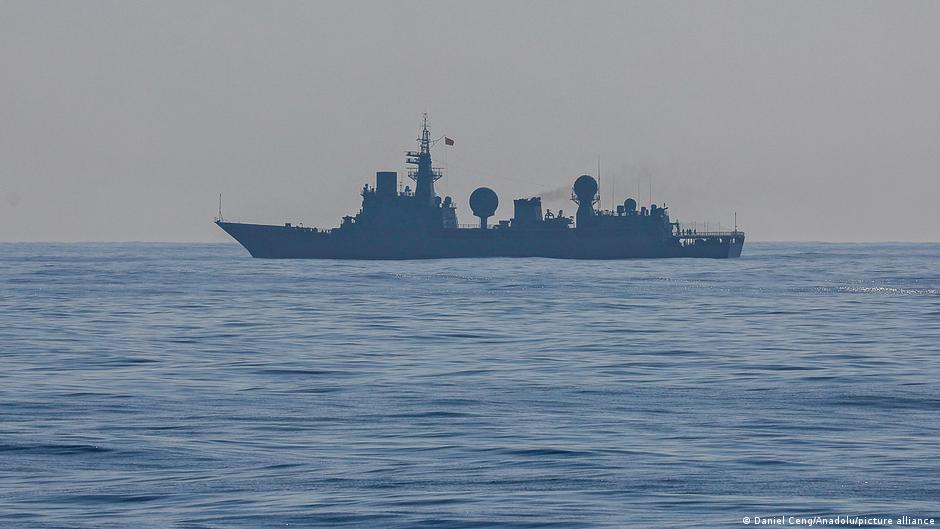
Southeast Asian nations are actively constructing a new, decentralized security architecture across the region, moving away from the traditional model of formal alliances. According to reporting by Deutsche Welle, countries are increasingly utilising access agreements, arms sales, and joint drills to counter coercion in the South China Sea. This strategic shift sees middle powers banding together to raise the cost of unilateral pressure, while deliberately avoiding the creation of a NATO-style anti-China bloc.
The most significant recent development occurred on June 1, when the Philippines and Vietnam upgraded their diplomatic ties to an enhanced strategic partnership. The two nations signed a memorandum on defence cooperation that commits them to high-level exchanges, strategic dialogue, and information sharing. This agreement builds upon existing coast guard arrangements, including a hotline and incident prevention mechanisms, and links defence cooperation to maritime law, humanitarian assistance, and counterterrorism.
India has also deepened its security footprint in the region through significant arms exports. New Delhi recently signed a $629 million deal to supply Vietnam with BrahMos supersonic cruise missile systems. This follows a $375 million contract with the Philippines in 2022 for three BrahMos batteries. The missiles, jointly developed by India and Russia, are viewed as a means to strengthen coastal defence and complicate naval operations near regional shores, aligning with New Delhi’s Act East policy.
Security cooperation is further expanding through bilateral access agreements. Japan and the Philippines began talks this month on a General Security of Military Information Agreement, which would facilitate the secure exchange of classified defence data. These talks follow the Reciprocal Access Agreement that entered into force last September, allowing for expanded troop deployment between the two nations. Similarly, Australia and Indonesia signed the Jakarta Treaty in February, establishing a framework for regular top-level security consultations.
Despite these advancements, the region remains cautious about antagonising Beijing, which remains a vital economic partner for most involved nations. Experts note that these agreements are loose and flexible, lacking an integrated command structure or formal collective defence obligations. The trend reflects a growing regional skepticism regarding the reliability of the United States, prompting a more multilateral approach where states strengthen their own capabilities rather than relying on external guarantees.