Southeast Asian Nations Prioritise Energy Security Amid Global Supply Disruption
Supply chain fractures in the Strait of Hormuz and export restrictions from China force Indonesia, the Philippines, Vietnam, and Thailand to restructure their energy procurement strategies.
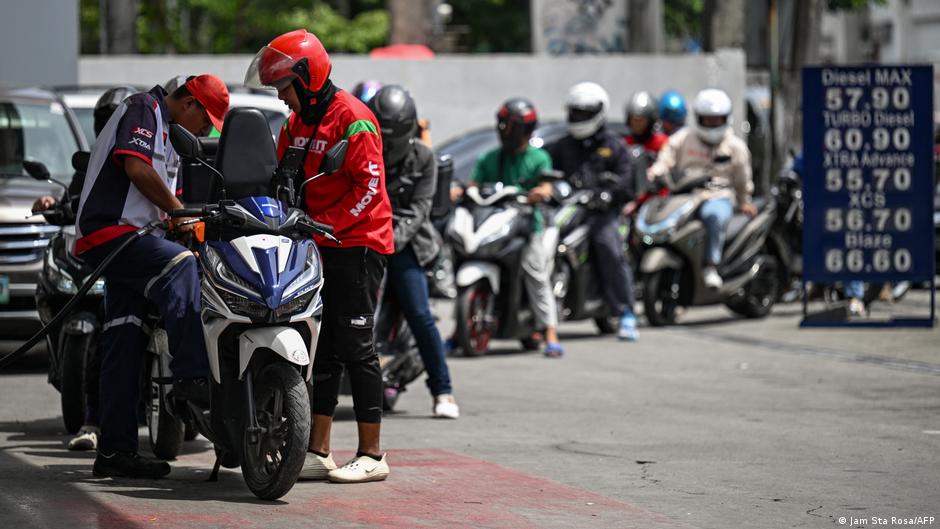
Southeast Asian governments are actively increasing imports of Russian oil, gas, and fertilisers to secure energy supplies and stabilise food production, despite facing diplomatic pressure from the European Union. This strategic shift is driven by severe supply disruptions in the Strait of Hormuz due to the conflict in Iran, alongside export restrictions from China and Thailand. Key nations involved include Indonesia, the Philippines, Vietnam, and Thailand, which are prioritising economic survival and fuel security over the diplomatic fallout from the war in Ukraine.
Indonesia has announced plans to import approximately 150 million barrels of Russian crude oil this year, a decision following President Prabowo Subianto's visit to Moscow. In the Philippines, which declared a one-year national energy emergency, authorities received their first shipment of Russian crude in five years during March. Manila has subsequently requested an extension of a US sanctions waiver to facilitate further purchases as domestic fuel reserves dwindle.
Vietnam has sought alternative fuel supplies after China and Thailand restricted exports of refined jet fuel, a move that impacts Hanoi significantly as it relies on these neighbours for more than 60 per cent of its needs. Similarly, Thailand is exploring ways to secure fertilisers and agricultural inputs from Russia to mitigate the impact of the global fertilizer squeeze on local food production.
The economic backdrop for these decisions includes a sharp decline in regional energy imports and a surge in global prices. Southeast Asian crude imports fell 30 per cent year-on-year in April, reaching their lowest level since 2015. Concurrently, Brent crude prices rose from $71 to over $120 per barrel between March and April, exacerbating the cost of living across the region.
To manage the financial shock, governments have implemented emergency measures including substantial subsidies and price freezes. Malaysia's monthly fuel subsidy bill reportedly surged from around $179 million in January to as much as $1.5 billion. In the Philippines, inflation spiked to 7.2 per cent last month, up from 2.4 per cent in March, while Thailand has frozen cooking-fuel prices until May.
European Union foreign policy chief Kaja Kallas has warned Southeast Asian countries against turning to Russian oil, arguing that increased purchases would help Moscow fund its war in Ukraine. However, regional leaders argue that the immediate threat of fuel shortages and rising inflation necessitates securing reliable supply lines that bypass the disrupted Strait of Hormuz.