Southeast Asia revives nuclear plans as energy demand accelerates
Governments are reassessing nuclear power to manage rising electricity demand, energy-security risks and emissions targets, but major regulatory and financing hurdles remain.
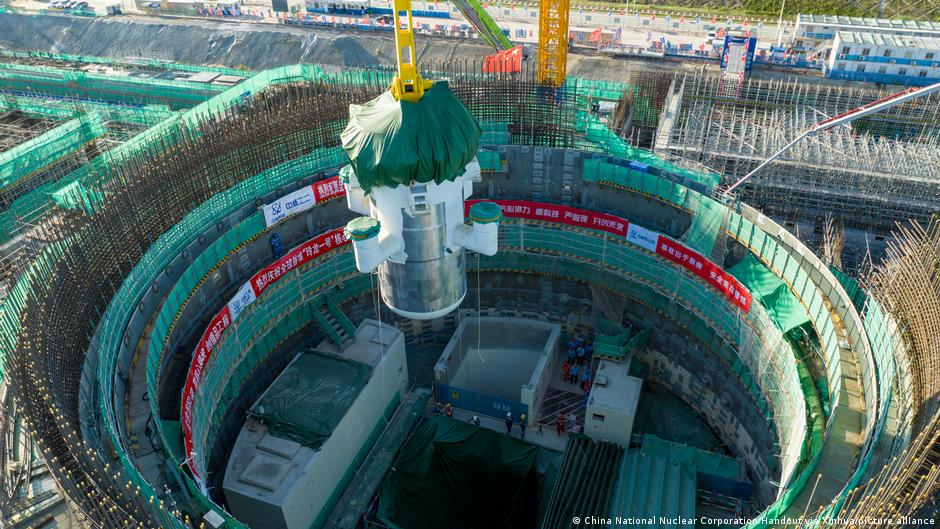
Southeast Asian governments are revisiting nuclear power as electricity demand rises and dependence on fossil fuels persists. No country in the region currently operates a commercial nuclear plant, but Vietnam, Indonesia, the Philippines and Thailand have announced targets or proposals, while Singapore and Malaysia remain at the study stage, Deutsche Welle World reports.
Vietnam’s state-owned Petrovietnam and South Korea’s KEPCO agreed on 8 September to deepen cooperation on the proposed Ninh Thuan 2 plant. Vietnam aims to bring its two Ninh Thuan plants into operation by 2035 and pursue at least one small modular reactor (SMR) project.
Indonesia is targeting an initial 500 megawatts of nuclear capacity from 2032, while the Philippines is working towards 1,200 megawatts from the same year. Thailand’s draft power plan proposes an SMR in 2037. These remain targets and proposals rather than operating projects.
Singapore said on 14 September it was studying nuclear power and SMRs with an “open mind”, while stressing that no decision had been made to build. SMRs have renewed interest because their smaller units could suit smaller electricity grids and allow investment to be staged, although claims of lower costs through mass production have not yet been demonstrated broadly in commercial deployment.
The International Energy Agency says regional electricity generation has risen by about 60 per cent since 2015, with coal supplying most of the increase. Demand is forecast to grow by an average of 5.3 per cent annually between 2026 and 2030, while data-centre electricity consumption is expected to more than double by 2030.
The region still faces the institutional demands of nuclear power, including independent regulation, specialist skills, financing, radioactive-waste management, emergency response and suitable sites. Earthquakes, volcanoes and tsunamis add to planning challenges, while public support varies sharply between countries. The shift from announcing an ambition to financing, licensing, constructing and safely operating a reactor remains substantial.