South Africa’s Xenophobic Unrest Threatens Investment Ahead of Election Deadline
With local elections scheduled for November 2026, political populism is fueling anti-immigrant sentiment, disrupting trade and deterring foreign capital in the energy and manufacturing sectors.
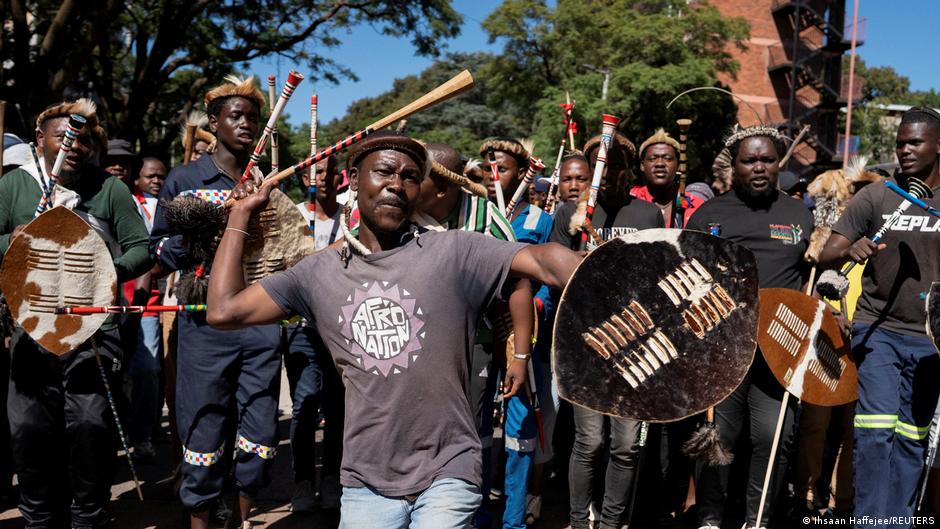
Vigilante groups and right-wing populist forces in South Africa are escalating anti-immigrant sentiment, issuing an ultimatum for undocumented migrants to leave the country by 30 June. The protests, which have turned increasingly violent in multiple cities, are driven by movements such as "March and March" and "Operation Dudula". Experts at the University of the Witwatersrand link these radical groups to right-wing populist parties, including ActionSA and former President Jacob Zuma’s MK Party, suggesting the unrest is strategically timed to garner political support ahead of the November 2026 local elections.
Jo Veary, co-director of the African Center for Migration & Society, describes the current climate as a government crisis where foreign residents are scapegoated for the state’s failure to deliver social services. While a 2025 Afrobarometer survey indicates that 69% of respondents believe immigrants harm the economy, Veary notes that foreign nationals constitute only approximately 4% of the population of 65 million. She argues that deporting this demographic would not resolve structural issues such as unemployment or inequality, nor would it lead to job creation for South Africans.
The economic implications of the unrest are already materialising, with the forced closure of foreign-owned businesses resulting in job losses for South African workers and a decline in tax revenue. Disruption to regional trade is particularly acute in the textile sector, where foreign traders from across the continent support local production. Veary warns that this instability creates a paradoxical incentive for further migration, as the loss of income and economic opportunity drives more people to seek work abroad. Some protesters have even taken to social media to call for foreign workers to return to resume production.
Major unions, including COSATU, have urged de-escalation, cautioning that removing foreign nationals from workplaces will not repair communities or strengthen public healthcare. Their stance aligns with President Cyril Ramaphosa, who has warned that violence disrupts trade and deters foreign investors. The business community includes significant regional players such as Zimbabwean Strive Masiyiwa’s Cassava Technologies, which is partnering with Nvidia to build Africa’s first artificial intelligence factory. Other active investors include Angola’s Sonangol, Mozambique’s Matola Gas Company, and Nigeria’s Dangote Group, all of whom operate in the energy and manufacturing sectors.
Aimee Noel Mbiyozo of the Institute for Security Studies highlights the growing fear among foreign entrepreneurs, including operators of small "spaza shops", who are unsettled by the indiscriminate nature of the violence. She notes that while anti-migrant groups claim to target only undocumented migrants, the reality is often broader, leading to reputational damage and lost investment. Mbiyozo urges a distinction between vulnerable migrant workers and organised crime, warning that the current climate is causing regional companies to reconsider their investment in South Africa.