South African textile sector struggles with labour shortage as migrant exodus continues
The departure of thousands of migrant workers following xenophobic violence has created a critical workforce gap in South Africa’s textile industry, contradicting the objectives of anti-immigrant groups seeking to prioritise domestic jobs.
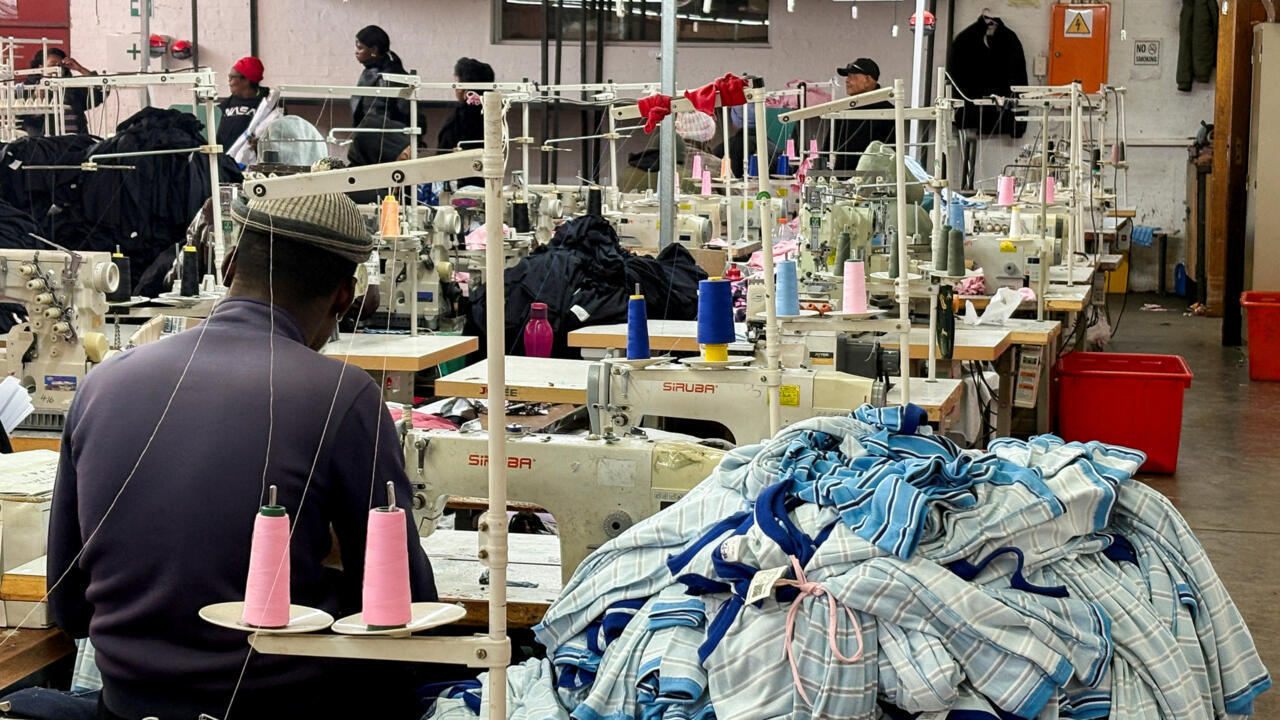
South Africa’s textile industry is confronting a significant workforce crisis following the departure of thousands of migrant workers over the past few months. The exodus occurred in the wake of violent xenophobic protests, creating a labour shortage that has disrupted operations within the sector.
The departure of foreign workers was driven by a targeted campaign led by the anti-immigrant group March and March. The group’s stated objective was to free up employment opportunities for South Africans, citing a national unemployment rate of approximately one-third as justification for their actions.
Despite the campaign’s intent to prioritise local hiring, the promised relief for domestic job seekers has not materialised in the affected regions. Factory owners in Newcastle have reported that the vacancies left by departing foreign workers remain unfilled, highlighting a disconnect between the political rhetoric of the campaign and the operational reality of the industry.
The situation underscores the structural reliance of the South African textile sector on migrant labour. The inability to replace departing workers suggests that the local labour market is currently unable to absorb the roles previously held by the migrant workforce, leaving factories with critical staffing gaps.
France 24 International reported on the developing crisis, noting that the specific impact has been observed in Newcastle, where local manufacturers are struggling to maintain production levels amidst the labour shortage. The exact number of workers who have fled is described as thousands, though precise figures remain unavailable.
The timeline of the crisis is concentrated in recent months, with the violent protests and subsequent campaign acting as the primary catalysts for the workforce reduction. The ongoing vacancies in Newcastle serve as a tangible indicator of the economic disruption caused by the xenophobic violence and the subsequent migration of skilled and unskilled labour.
As the textile industry grapples with these operational challenges, the broader implications for South Africa’s manufacturing sector remain uncertain. The failure to fill vacancies suggests that the removal of migrant workers has not achieved the desired outcome of increasing employment for local citizens, potentially exacerbating economic instability in a region already facing high unemployment.