South Africa Frames 2026 Xenophobic Outbreaks as Constitutional 'Pockets of Protest' Amid Diplomatic Fallout
Spokesperson Vincent Magwenya characterises the fresh violence as isolated incidents, while critics point to deep-seated unemployment and inequality as the true drivers of the unrest.
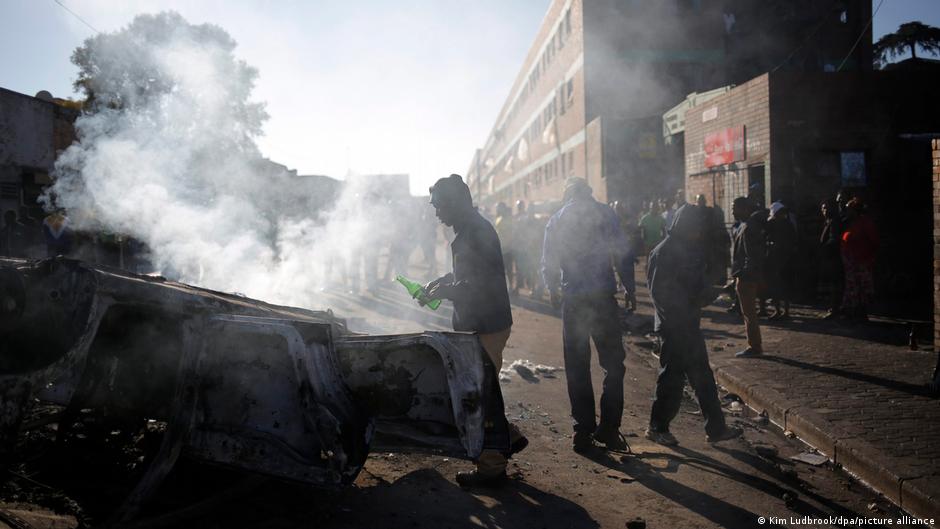
A fresh outbreak of anti-immigrant violence has erupted in South Africa in 2026, reigniting diplomatic tensions across the continent and prompting urgent responses from neighbouring nations. Following the deaths of two Nigerian nationals, the Nigerian government has expanded its official intervention by announcing a voluntary repatriation program for its citizens. Simultaneously, Ghana has joined Nigeria in launching evacuation efforts to protect its nationals amidst the recurring unrest.
While the international community and regional partners view these events as a continuation of a two-decade cycle of xenophobic attacks, the South African government has firmly rejected the label of widespread xenophobia. Presidential spokesperson Vincent Magwenya stated that South Africans are not xenophobic, arguing that the current violence consists merely of "pockets of protest" which fall within the permissible bounds of the country's constitutional framework. This stance marks a continuation of the administration's approach, which has historically framed such outbreaks as opportunistic criminal acts rather than systemic anti-immigrant sentiment.
The diplomatic friction has escalated significantly, with Nigeria's Foreign Minister Bianca Odumegwu-Ojukwu warning that Nigerian lives and businesses must no longer be placed at risk. The crisis has forced a re-evaluation of regional security cooperation, as the violence targets African migrants and refugees who make up the majority of the country's estimated three million foreign residents. This diplomatic row stands in stark contrast to the government's assertion that the unrest is isolated, a claim that critics argue ignores the cyclical nature of the violence that has plagued the nation since the end of apartheid.
Critics attribute the resurgence of these attacks to deep-seated structural failures, specifically citing high unemployment and profound economic inequality as the primary fuel for the hostility. Data from the first quarter of 2025 indicates that official unemployment stood at nearly 33%, with youth unemployment exceeding 45%. Human rights organisations and political analysts argue that the scapegoating of Black African migrants serves as a mechanism to divert attention from these broader economic grievances and state failure.
The current episode follows a historical pattern of violence that has displaced over 100,000 persons since 2008. Major outbreaks occurred in 2015, which saw thousands displaced and seven confirmed deaths, and again in 2019, where at least 12 people were killed and hundreds of businesses destroyed. In each instance, the government has maintained that the violence is rooted in crime rather than xenophobia, a position that has drawn sharp criticism from bodies such as Human Rights Watch and the UN refugee agency UNHCR.
As the 2026 violence continues, the disconnect between the government's constitutional defence of the unrest and the reality of the displacement remains unbridged. The involvement of Operation Dudula, an anti-migrant group that has grown into a political entity, further complicates the governance landscape by linking irregular immigration directly to crime and public service strain. With diplomatic relations strained and economic pressures mounting, the cycle of violence appears poised to intensify unless the underlying economic drivers are addressed.