Sous vide immersion circulators offer practical method for pasteurising raw eggs
New testing suggests a precise 90-minute water bath can eliminate salmonella in shell eggs without fully cooking them, providing a safer option for raw preparations amidst ongoing multi-state recalls.
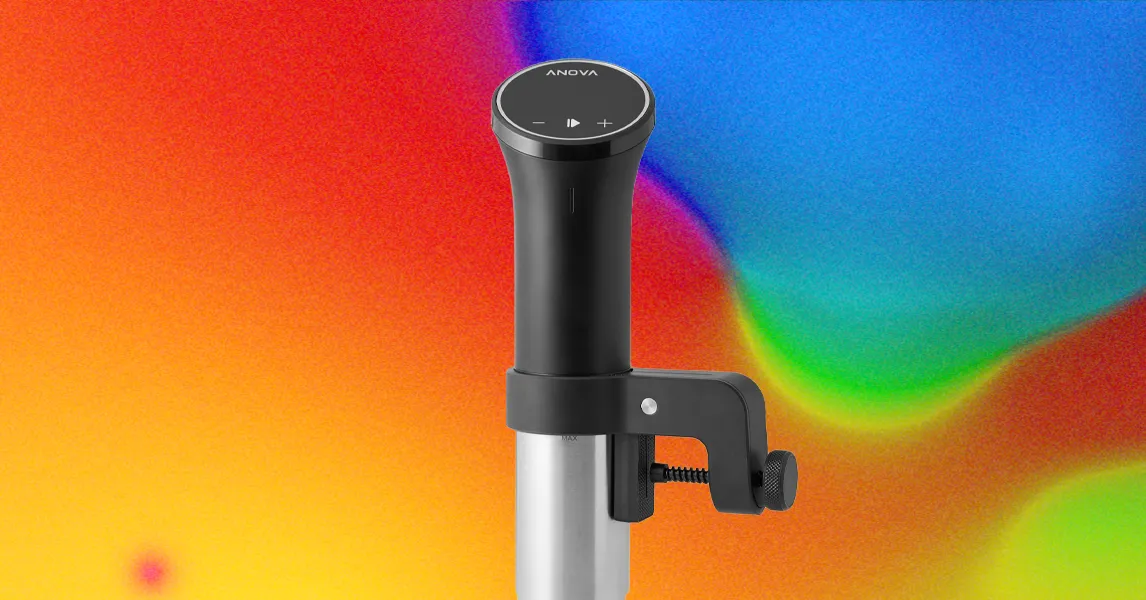
Amid a series of multi-state salmonella outbreaks in 2026, a practical test has demonstrated that sous vide immersion circulators can effectively pasteurise raw eggs in their shells. The investigation, conducted by WIRED, evaluated whether maintaining a precise temperature of 135 degrees Fahrenheit for 90 minutes could kill salmonella bacteria without fully cooking the egg. The results indicate the process renders eggs safe for raw or near-raw preparations, such as Hollandaise sauce and pasta carbonara, which are otherwise at higher risk of bacterial contamination.
The testing was conducted against the backdrop of significant food safety concerns, including a July recall of eggs from Midwest Poultry Services. These products were sold under five brand names, including Kroger and Simple Truth, with the initial recall affecting Kroger stores in Texas. While the FDA has reported outbreaks linked to various products, including jalapeños, granola, and dog food, eggs remain a primary vector for salmonella. Historically, the USDA estimated that one in every 20,000 eggs in the US could be contaminated, a figure that persisted despite a 72-page egg safety requirement enacted in 2009.
The specific protocol used in the test involved an Anova 3.0 immersion circulator, a device originally developed for laboratory use before being adopted by chefs in the 1970s and 1980s. The circulator was set to 135 degrees Fahrenheit, a temperature range recommended by both Anova and culinary resource Serious Eats. Experts advise that eggs should be refrigerated prior to the process to prevent bacterial replication, ensuring that starting levels of salmonella are low before the water bath begins.
Infectious disease expert Alan Bulbin noted that while the method is effective, the "come up" time for the circulator to reach the target temperature does not count towards pasteurisation. Consequently, the 90-minute duration is critical to ensure the egg's centre maintains the necessary temperature for a sufficient period. Bulbin confirmed that if used correctly, the process can kill salmonella, though he emphasised the importance of consistent temperature maintenance.
Microbiologist Kristin Burkholder from the University of New England’s School of Biological Sciences described the process as sufficient to make eggs safer for human consumption. However, she cautioned that sous vide may not eliminate all bacteria present. For individuals who are immunocompromised or otherwise more susceptible to infection, she suggested considering other cooking options to ensure complete safety. The test confirmed that while the egg white showed minor cloudiness, it remained usable as a raw egg.
A notable limitation of the method is its effect on protein structure. The pasteurisation process denatures proteins, which affects the foaming ability of egg whites. This means that while the eggs are safe for consumption in raw preparations, they may not perform as well in recipes requiring stiff peaks, such as soufflés or pavlovas. For the average household, however, the immersion circulator offers a simple, set-and-forget solution to mitigate the risks associated with raw egg consumption.