Sonos restores iPhone lock screen controls following 2023 app overhaul
The latest Sonos app update addresses long-standing user demands by reinstating lock screen speaker controls, marking a significant recovery from the company’s widely criticised 2023 software redesign.
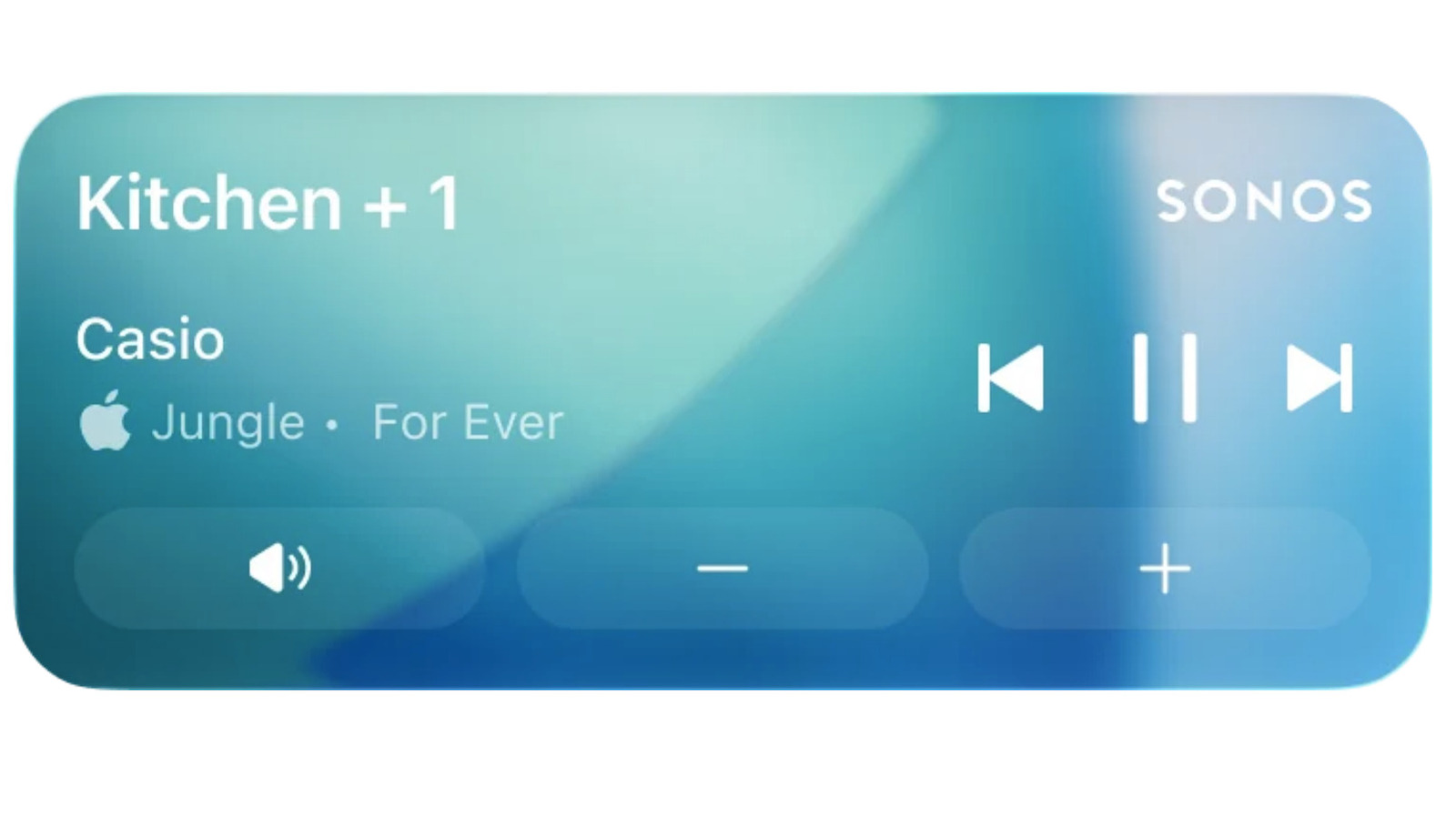
Sonos has released a new application update that reintroduces iPhone lock screen speaker controls, utilising Apple’s Live Activities system to manage playback directly from the device interface. The feature, which the company describes as a "much requested, anticipated and needed" addition, allows users to view playback status, adjust volume, and switch tracks once the device has been authenticated via Face ID or a passcode.
The integration represents a reversal of policy for the audio hardware manufacturer, which previously offered similar functionality in 2016 before removing it in 2023. The earlier removal occurred because Sonos’ integration method failed to align with Apple’s updated design framework. The subsequent app redesign that year was widely criticised for omitting core functionalities, causing lock screen support to be deprioritised while the engineering team focused on stabilising the application and resolving connection failures.
Under the new configuration, the live activity widget on the iPhone lock screen automatically disappears 15 minutes after playback ceases. While the system supports viewing capabilities on CarPlay and Apple Watch, controls remain unavailable on these platforms, restricting users to monitoring playback without the ability to make adjustments.
Current limitations include the absence of album art on the lock screen. Sonos has stated it is exploring alternative methods to enhance the visual experience, though no specific timeline for this addition has been provided. The functionality mirrors features already present in the Android version of the Sonos application.
This release follows a series of software updates aimed at rectifying issues stemming from the 2023 redesign. The company has since addressed numerous user concerns, including the implementation of an improved queue management system and a more reliable local library, signalling a broader effort to restore confidence in the platform’s stability and feature set.