Somalia and UNESCO race to digitise Radio Mogadishu’s 400,000-hour archive
With only 10 per cent of the collection converted since 2012, officials warn that magnetic tapes are deteriorating beyond recovery, threatening a crucial record of the nation’s history.
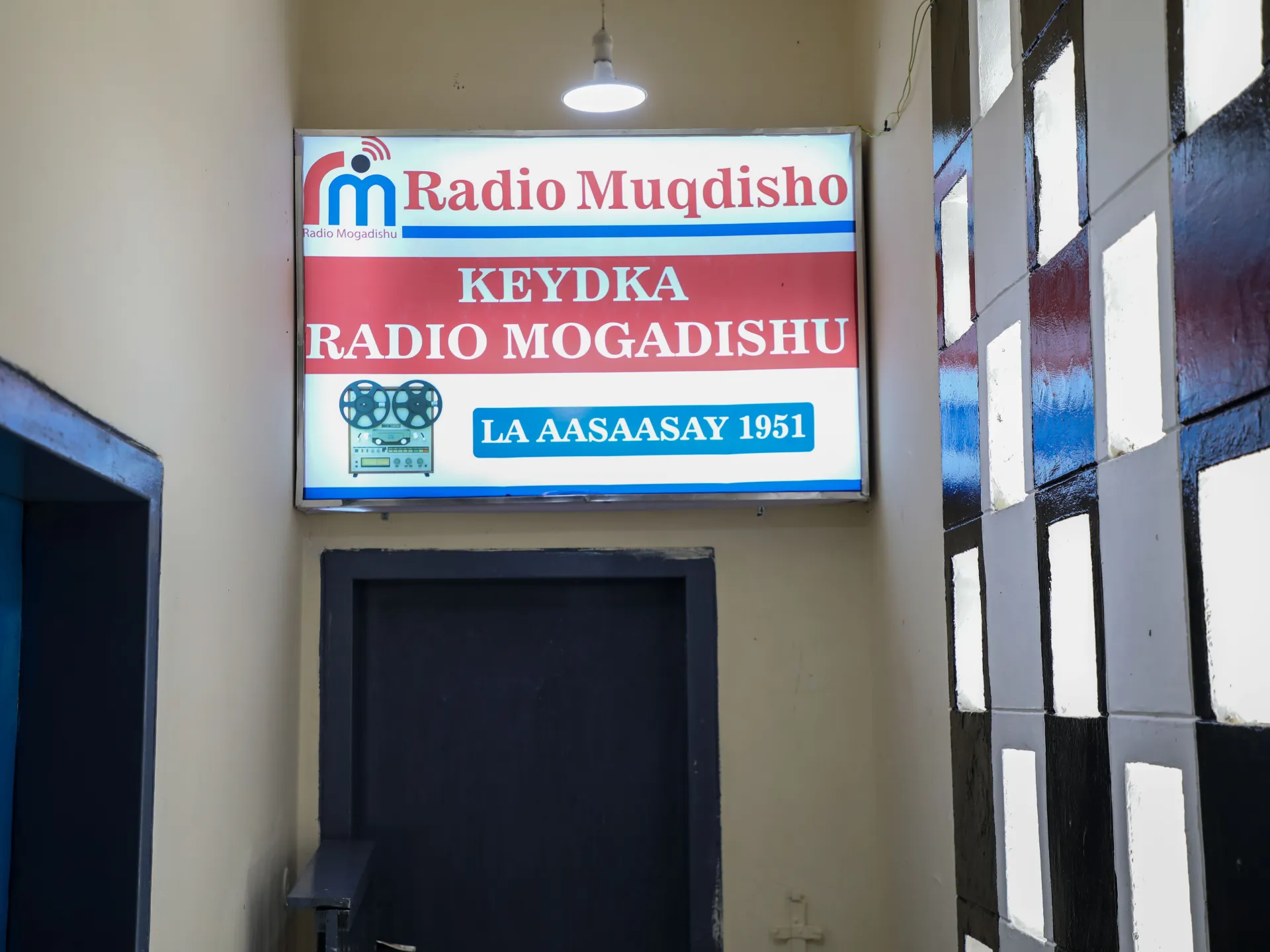
A small team at Radio Mogadishu is undertaking a critical digitisation project to preserve approximately 400,000 hours of broadcast material before the magnetic tapes deteriorate beyond recovery. The archive, which encompasses news, music, and speeches dating back to the 1950s, is regarded as the world’s largest repository of Somali language culture. The preservation initiative has gained significant momentum following a workshop in June organised by Somalia’s information ministry and UNESCO’s regional office for Eastern Africa, with the strategic objective of registering the contents with UNESCO’s Memory of the World programme.
An expert assessment conducted in April identified roughly 45,000 tapes and reels within the collection. While more than 85 per cent of the material remains playable, approximately 10 per cent has deteriorated due to age, and over 5 per cent has been destroyed or severely damaged. The archive has previously suffered losses during fighting in 1992 and an electrical fire in 2018. Despite the digitisation drive commencing in 2012, station director Abdi Jeite estimates that only approximately 10 per cent of the archive has been converted to digital format, citing a historical lack of resources as a primary constraint.
Founded in 1951 during the Italian colonial era, Radio Mogadishu evolved into Somalia’s largest public broadcaster, initially broadcasting in Italian and Somali before expanding to include Swahili, Oromo, English, and Arabic. During the Siad Barre regime, the station served as a key instrument for state ideology, promoting anti-colonial content and supporting a mass literacy campaign in 1972. It also pioneered the first-ever radio programmes in Oromo and Sidama, languages that had been suppressed in Ethiopia, thereby extending its influence to audiences in Tanzania, Ethiopia, and the Middle East.
The collapse of the central government in 1991 marked a turning point for the station, leading to the rise of private media and a reduction in its foreign-language programming. The institution has faced continued instability, including the assassination of then-director Abdiaziz Mohamud Guled by al-Shabab in November 2021. Historian Iman Mohamed notes that the civil war has left a significant gap in Somalia’s documentary record, making the preservation of this archive essential for research and the formation of youth identity.
Guilherme Canela, a senior UNESCO official overseeing the project, emphasised the broader significance of the preservation work. “Protecting this knowledge isn’t just relevant for Somalia, but it is relevant for everyone,” Canela said. The current effort seeks not only to stabilise the physical media but also to eventually open the archive to the public, ensuring that the collective memory contained within the reels is accessible for future generations.