Somali piracy resurgence adds third layer of strain to global supply chains
Ships already rerouted around southern Africa to avoid Middle East conflict zones now face hijackings off the Somali coast, driving up insurance premiums and transit times
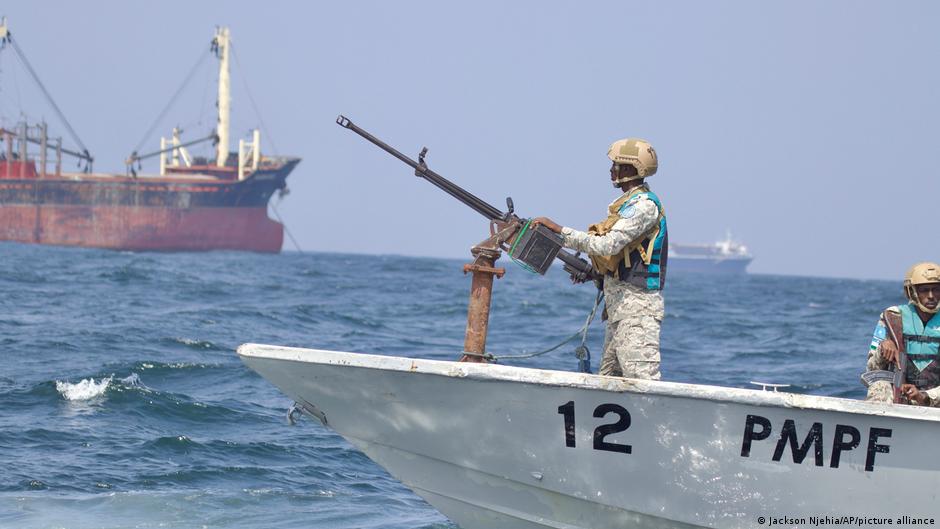
A resurgence in Somali piracy is creating new pressures on global supply chains as vessels already diverted around southern Africa to avoid Middle East conflict zones now face hijackings off the Somali coast. This development adds a third layer of strain to international trade, occurring just as shipping firms navigate the dangers of the Strait of Hormuz and the Red Sea.
Three specific vessels were seized within a three-week window, with the Honour 25 and Eureka oil tankers and the cargo ship Sward remaining under pirate control as of 8 May 2026. These incidents mark a sharp escalation from sporadic reports since 2011, targeting ships that have been forced to bypass the Bab el-Mandeb Strait and take the long detour around the Cape of Good Hope.
Experts attribute the spike to organised crime groups exploiting the distraction of the Iran conflict, which has stretched international naval patrols thin. Missions such as the European Union's Operation Atalanta and the multinational Combined Task Force 151 are responsible for patrolling vast areas of the western Indian Ocean, but they are not acting as escort forces and are struggling to cover the expanded threat landscape.
The suspension of US non-security development aid in Somalia under the current administration has also contributed to the situation. Previously, Washington funded coastal community projects aimed at reducing poverty and preventing recruitment into piracy, but these resources have been redirected toward direct counter-terrorism operations against al-Shabab.
Pirates are adapting their tactics by utilising large traditional fishing vessels, known as dhows, repurposed as mother ships. These vessels are equipped with navigation kits and weapons to extend operational ranges, allowing pirates to remain at sea for weeks before using them as launching pads to target commercial shipping.
The situation has driven up insurance premiums, transit times, and security costs for international trade. With fuel costs already soaring due to rerouting, shipping industry leaders warn that any major resurgence in piracy could push costs even higher and further disrupt global commerce.