Social media algorithms fuel Ceuta migration crisis with paid 'mirage' content
Paid advice and manipulated posts mislead migrants, contributing to influx of 78,000 arrivals and diplomatic tensions
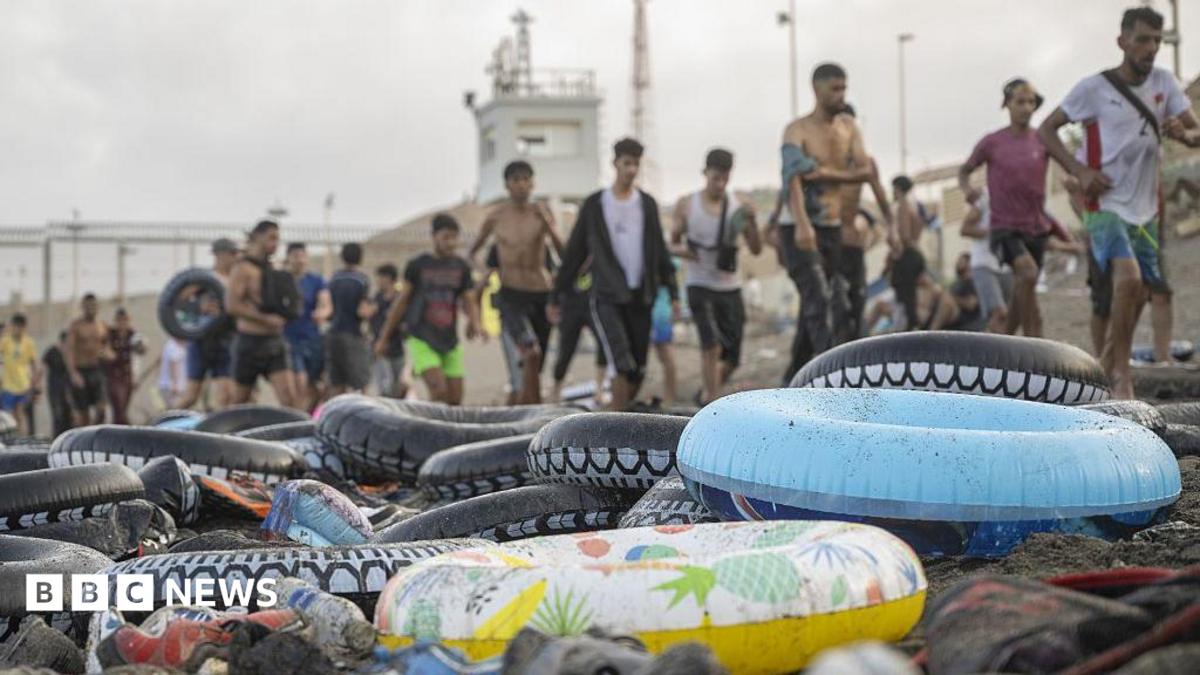
A BBC investigation has identified a coordinated network of Instagram profiles actively promoting the dangerous sea crossing from Morocco to the Spanish enclave of Ceuta. These accounts, many utilising the term 'Haraga' in their handles, glamourise the route and offer paid advice for hundreds of pounds, contributing to an influx of approximately 78,000 migrants last month. The findings underscore how algorithmic amplification on social media platforms is exacerbating a crisis that has sparked diplomatic tensions between EU nations and drawn criticism of the Spanish government.
The investigation, conducted via a dummy account named 'Mohammed', found that anonymous operators offered guidance on crossing the border fence for an upfront fee of 5,000 dirhams, roughly £400. One operator claimed to have assisted 'many people' via sewer pipes and directed the account to pay via bank transfer. When queried about refunds for failed crossings, the operator did not respond and subsequently deleted messages, highlighting the unregulated and risky nature of these services.
These digital campaigns have created what the investigation terms 'mirage' content, which distorts the reality of the situation. Posts frequently feature emotive videos of individuals swimming happily or walking freely, often with original captions warning against arrival cropped out. This content misleads migrants about the safety of the route and the viability of reaching mainland Europe, despite authorities returning approximately 75,000 of the 78,000 recent arrivals to Morocco.
The profiles manipulate Instagram’s algorithm by sharing hopeful, aspirational material that triggers strong reactions, ensuring high visibility. Nearly 40 identified accounts featured variations of 'Haraga', a Maghrebi Arabic term for migrants who destroy their documents to avoid deportation. Many displayed Spanish flags and included calling codes for both Morocco and Spain, with most believed to be operated from Morocco, though some may be based in Spain or Italy.
While Meta states it is actively removing content that facilitates human smuggling, the algorithm-driven nature of the platform allows deceptive posts to persist. Several profiles were removed following the BBC’s contact with Meta, yet new accounts continue to emerge. The disconnect between the curated online narrative and the harsh reality of border enforcement continues to drive dangerous migration attempts, with at least 100 deaths reported during the recent surge.