SmartAsset Advisor: Strategies for RMDs When Cash Is Not Needed
SmartAsset’s Susannah Snider outlines in-kind distributions, qualified charitable distributions, and Roth conversions as alternatives to cashing out IRAs
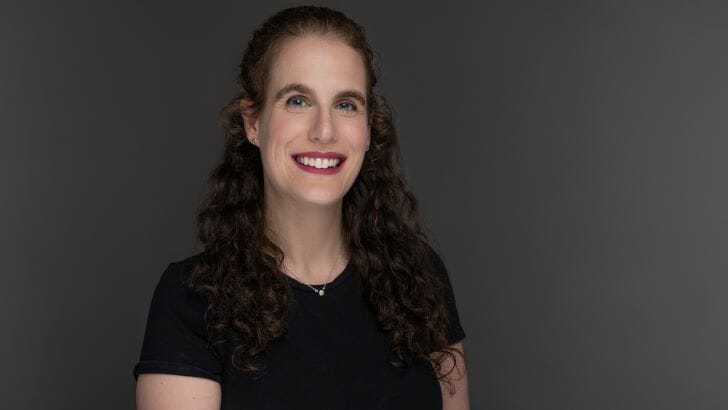
SmartAsset financial planning columnist Susannah Snider has published guidance for retirees who do not require immediate cash flow from their Individual Retirement Accounts (IRAs). In an article published via Yahoo Finance, Snider addresses the common scenario where individuals approaching Required Minimum Distribution (RMD) age wish to avoid having funds simply deposited into a checking account.
The piece outlines three primary strategies for managing RMDs without liquidating assets. The first is an in-kind distribution, which allows account holders to transfer assets such as stocks, exchange-traded funds, or mutual funds while maintaining their invested status. This approach may be beneficial for those wishing to avoid realising losses or waiting for investments to recover, though the tax liability on the distribution value remains.
A second option is the Qualified Charitable Distribution (QCD). This strategy permits taxpayers aged 70½ and older to transfer assets directly to charity, bypassing income tax on the distribution. Snider notes that QCDs can remove money from taxable income, potentially reducing Medicare premiums, and minimise future RMDs by lowering the overall account balance.
The third strategy involves converting traditional IRA dollars to Roth accounts. Since Roth IRAs do not require RMDs during the account holder's lifetime, this conversion can eliminate future mandated distributions and provide greater control over the funds. However, Snider highlights that this move incurs immediate tax consequences and requires careful planning.
The article emphasises that these strategies may have significant tax implications and advises readers to consult a financial advisor before proceeding. To assist with this, SmartAsset promotes a free tool designed to match users with vetted financial advisors in their area, allowing individuals to interview potential matches at no cost.
Snider, a Certified Financial Planner, also suggests maintaining a liquid emergency fund to cover unexpected expenses, noting the trade-off between inflation erosion and the security of cash reserves. She encourages readers to compare savings accounts from various banks to find high-interest options that allow for compound interest growth.