Skull analysis finds trauma in First Dynasty Egyptian burials
A study identified signs of blunt-force trauma on 18 of 46 skulls from subsidiary graves at Abydos, evidence consistent with retainer sacrifice but not proof of it.
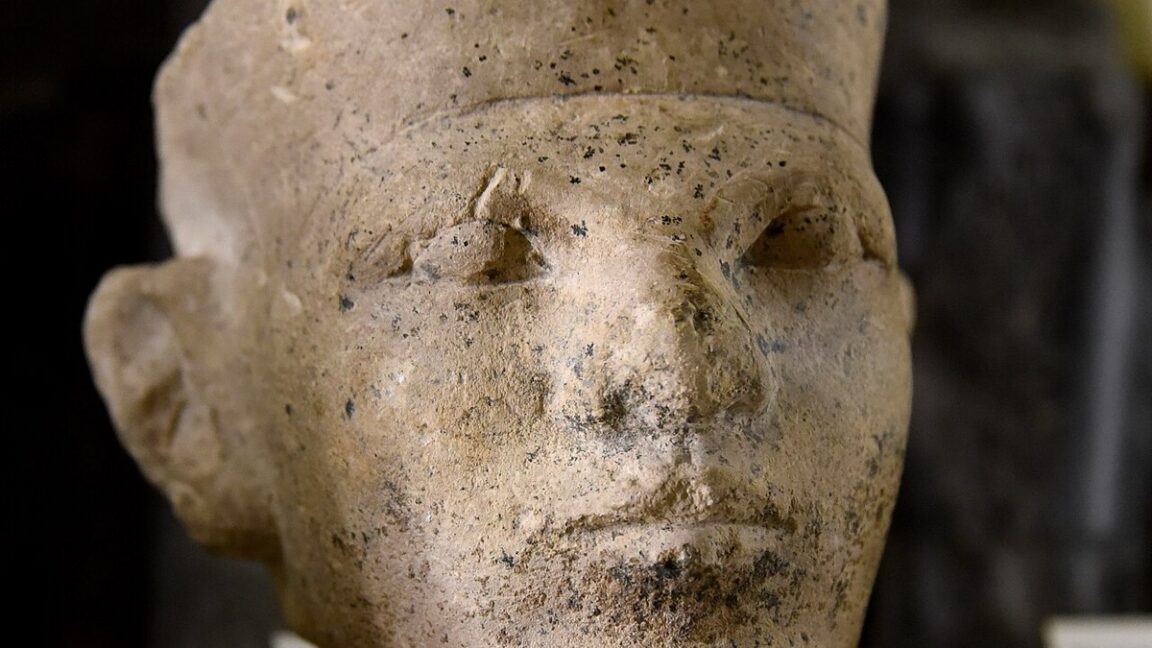
A re-examination of skulls from subsidiary burials at Abydos has found signs of blunt-force trauma on 18 of 46 remains, adding forensic evidence to a long-running debate over whether First Dynasty rulers were buried with servants or officials.
The study, published in Frontiers in Environmental Archaeology, was conducted by bioarchaeologist Roselyn Campbell. The skulls were excavated by Flinders Petrie in the 1920s from Umm el-Qaab cemetery, associated with First Dynasty royal tombs.
The linear fractures are consistent with blunt-force trauma. Campbell said they could have caused unconsciousness, internal bleeding and likely death. Some skulls also showed possible sharp-force injuries. The fracture patterns may point to a flat, wide implement, such as a wooden club or board, but the weapon is uncertain.
The findings support the possibility that some people were killed as part of retainer burials, in which servants or officials were buried with a ruler. They do not establish that the deaths were sacrificial, or explain how each person died. Other proposed causes include asphyxiation, strangulation and poisoning.
The evidence is limited by the condition of the collection: 46 skulls were preserved, while long bones from 96 people were measured and later reburied together. Campbell also cautioned that skulls alone cannot establish biological sex conclusively, and matching them to other remains would be difficult.