Six candidates emerge for UN Secretary-General role
A diverse field of six contenders, including former heads of state and senior diplomats, are vying for the position as the organisation confronts calls for structural reform and budgetary constraints.
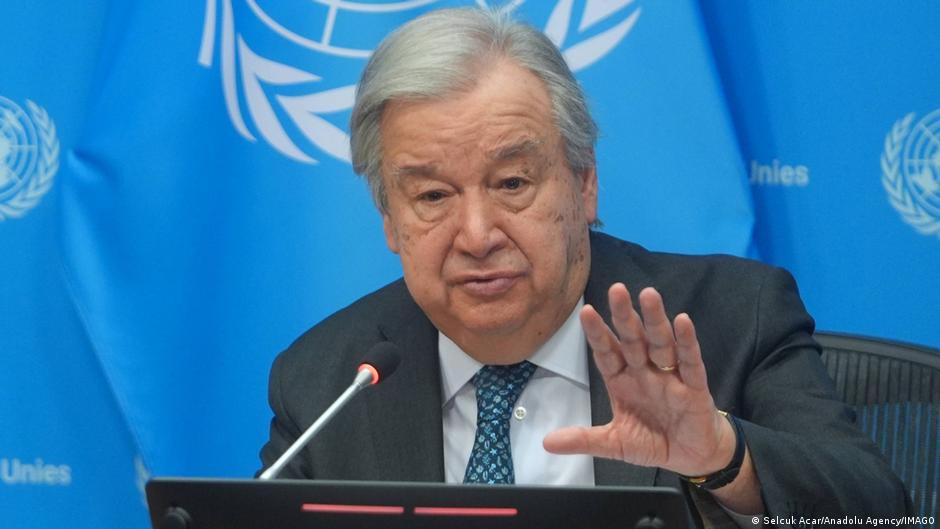
The United Nations is preparing to select a new Secretary-General to replace Antonio Guterres, whose second term concludes on 31 December. Six candidates are vying for the position, facing a selection process that requires a recommendation from the Security Council before final selection by the General Assembly. The candidates include Michelle Bachelet of Chile, Rafael Grossi of Argentina, María Fernanda Espinosa of Ecuador, Rosario Grynspan of Costa Rica, former Senegalese President Macky Sall, and Shireen Rodrigues Birkett of Guyana. They will participate in a debate at the UN General Assembly Hall in New York on 23 July. The incoming Secretary-General faces significant challenges, including the UN's financial difficulties, calls for organisational reform, and geopolitical pressures.
Michelle Bachelet, 74, is seeking to become the first female UN Secretary-General, having previously served as President of Chile from 2006 to 2010 and again from 2014 to 2018, as well as UN High Commissioner for Human Rights between 2018 and 2022. She has indicated that her election would serve as a significant signal of progress, noting that the world may finally be prepared for female leadership at this level. Bachelet acknowledges the complexities of the Security Council but positions her extensive experience in geopolitical issues as a key asset for navigating the role.
Rafael Grossi, the Director-General of the International Atomic Energy Agency since 2019, brings a background in nuclear and atomic energy sectors to the contest. He supports the 'UN80' reform initiative, advocating for the streamlining of the organisation by merging entities to reduce costs associated with structural duplications. Grossi argues that his expertise is an advantage in the current geopolitical landscape, where nuclear threats are increasingly perceived, and emphasises the need to understand the world as it exists rather than attempting to reinvent the wheel.
María Fernanda Espinosa, former President of the UN General Assembly and Ecuador’s former foreign minister, identifies financial challenges as the primary obstacle facing the organisation. She has called for the UN to "reform, transform or die," proposing a strategy that involves closer collaboration with regional organisations and leveraging Europe as a financial and diplomatic bridge-builder. Espinosa’s background includes work on sustainable development and climate change, particularly in the Amazon region, where she engaged with indigenous communities early in her career.
Rosario Grynspan, currently Secretary-General of the UN Conference on Trade and Development, is praised for her role in negotiating the Ukrainian grain export deal and calls for wider Security Council representation, particularly from Africa or Latin America. She argues that bureaucracies are naturally risk-averse and that the UN must be bolder to take necessary risks. Grynspan, who served as Vice President of Costa Rica between 1994 and 1998, advocates for a more effective and responsive organisation capable of addressing contemporary global challenges.
Macky Sall, former President of Senegal from 2012 to 2024, faces domestic controversy following protests over the imprisonment of opposition leader Ousmane Sonko and an unsuccessful attempt to postpone the 2024 election. Despite these challenges, Senegal’s current government has recently reversed its initial stance to support his candidacy. Sall’s tenure was marked by significant infrastructure improvements, but his popularity declined during his second term due to political unrest.
Shireen Rodrigues Birkett, Guyana’s permanent representative to the UN, entered the race in mid-June. Her vision focuses on strengthening multilateralism and inclusive global governance, with an emphasis on enhancing the organisation's effectiveness and responsiveness. As an Amerindian woman who has held roles in both the UN and as Guyana’s foreign minister, she brings a perspective centred on ensuring the UN remains capable of addressing the needs of diverse communities and contemporary global issues.