Silvis Materials tests biodegradable cellulose adhesives for construction and packaging
A new adhesive derived from plant cellulose aims to replace petroleum-based glues, potentially cutting production emissions by up to 80 per cent.
Petroleum-based adhesives are ubiquitous in modern infrastructure, bonding wood and drywall in construction projects, holding together furniture joints, and securing labels on containers. This widespread use creates a significant recycling challenge, as the presence of fossil-based glue often prevents otherwise recyclable materials from being processed.
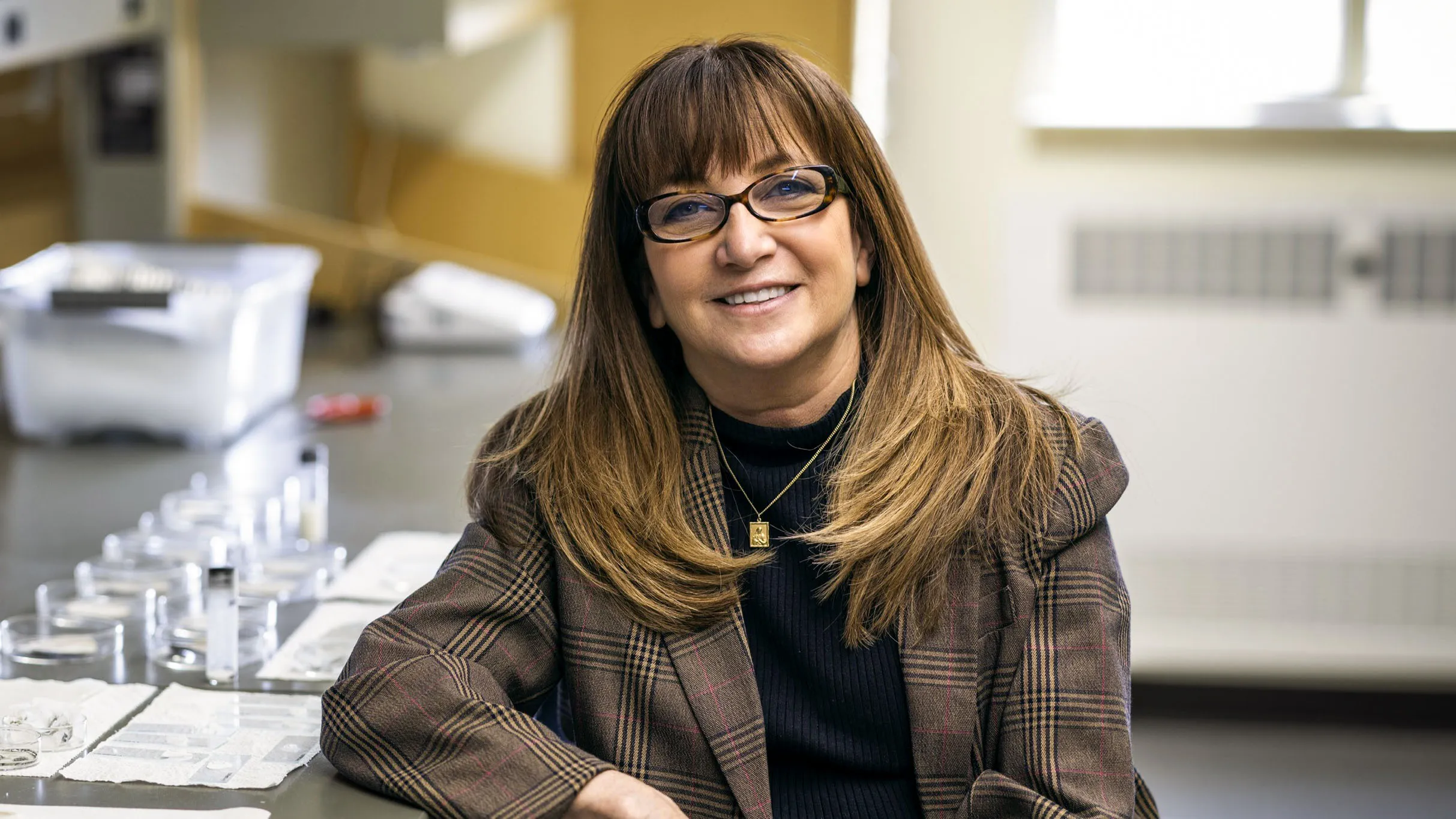
Patty Ferreira, CEO and cofounder of Silvis Materials, has developed a fully biodegradable cellulose adhesive to address this issue. Ferreira began exploring bio-based adhesives in 2014 by modifying the role of cellulose as a stabiliser in adhesive emulsions. Her initial work focused on replicating the adhesive properties of more expensive nanocellulose.
Today, the company’s formula is capable of utilising virtually every type of plant cellulose to produce adhesives. This broad compatibility with plant-based materials allows Silvis to offer a sustainable alternative to traditional petroleum-based glues across various industrial applications.
The MIT Startup Exchange is currently assisting Silvis Materials in testing the product with packaging and construction companies. These trials are designed to evaluate the performance of the cellulose adhesive in real-world scenarios, specifically targeting sectors where petroleum-based glues are most prevalent.
Silvis expects the new adhesive to cut production emissions by up to 80 per cent compared to fossil-based alternatives. The company also projects that the manufacturing process will use half the energy required to produce conventional petroleum-based glues.