Silk and Silicon: The Met Gala’s $42 Million Tech Dilemma
The 2026 Met Gala raised $42 million amid significant controversy, highlighting the tension between cultural prestige and the commercial influence of centibillionaires.
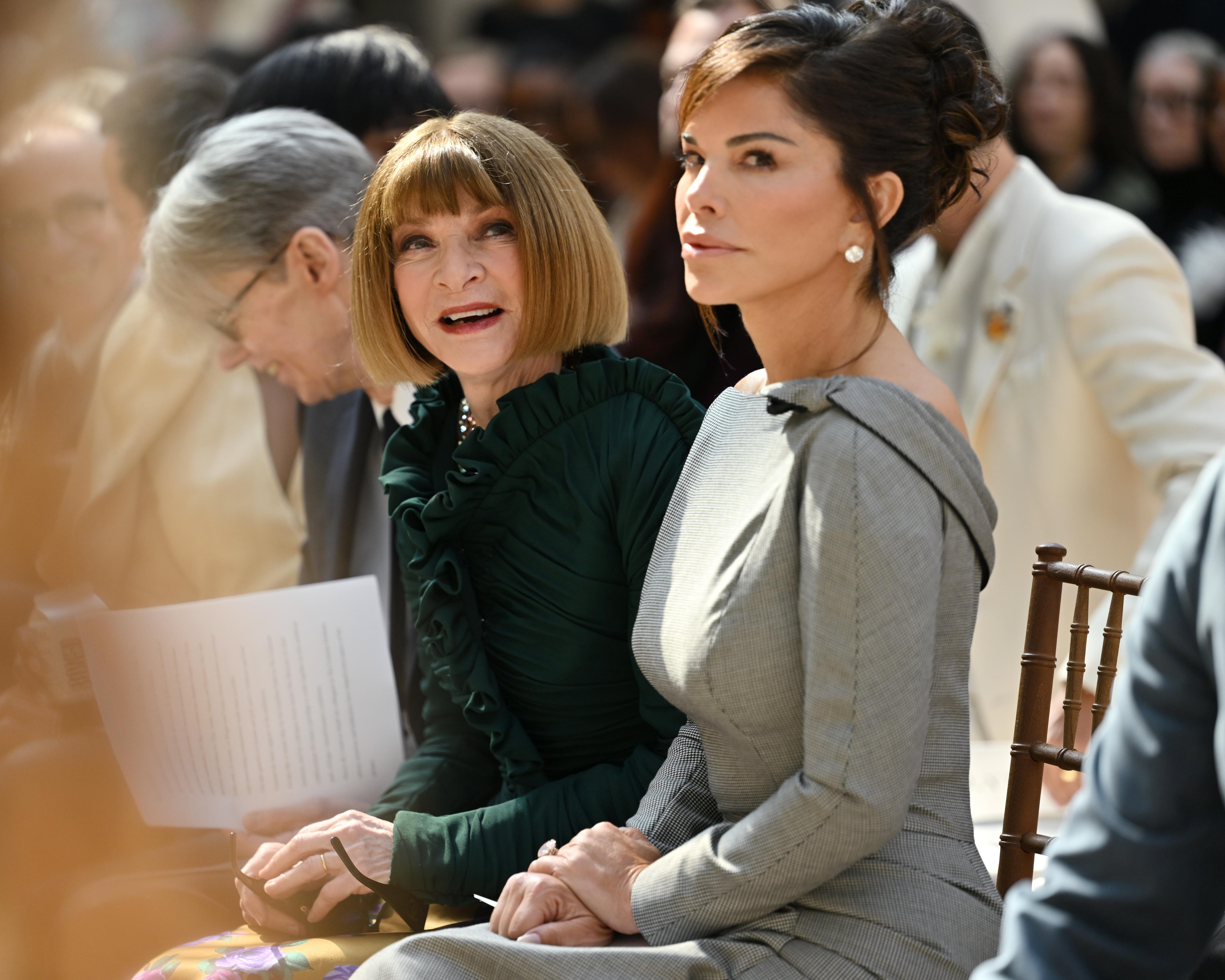
The 2026 Met Gala, held at the Metropolitan Museum of Art in New York, raised $42 million, with centibillionaires Jeff Bezos and Lauren Sánchez Bezos providing $10 million in patronage. The event sparked significant controversy and protests due to the couple’s wealth, Amazon’s labour practices, and the broader influence of tech billionaires in the fashion industry. Anna Wintour, who oversees the Met Gala, publicly endorsed the Bezoses, describing them as a “force for joy” and highlighting their philanthropy. The gala featured a guest list including other tech figures such as Google co-founder Sergey Brin, Mark Zuckerberg, and staff from OpenAI. The Met Costume Institute is considering reducing its reliance on the annual gala, with lead curator Andrew Bolton stating the institution aims to achieve financial independence through a “quasi endowment” by 2028 or 2030.
Protests erupted outside the event, with the activist group Everyone Hates Elon projecting interviews with disgruntled Amazon workers onto Bezos’s Manhattan penthouse and circulating fake urine containers within the museum to highlight labour conditions. Inside the glass-ceilinged room, however, the atmosphere remained deferential, with Wintour introducing Sánchez Bezos as a benefactor who genuinely cares about giving back. This stark discrepancy between the public outcry and the internal celebration underscored the deepening integration of tech wealth into high fashion, a trend that has seen ticket prices rise to $100,000 and the guest list increasingly populated by Silicon Valley oligarchs.
The cultural backlash extended beyond street protests into the creative sphere. Former US Vogue editor Gabriella Karefa-Johnson co-hosted a rival Ball Without Billionaires and boycotted the event, writing that fashion has a talent for laundering the reputations of sinister individuals under the guise of culture. Meanwhile, the recent release of The Devil Wears Prada 2, featuring a fictional tech baron attempting to buy a fashion magazine, resonated with real-world rumours that Bezos may wish to acquire US Vogue for his wife. Although screenwriter Aline Brosh McKenna dismissed the plot similarities as coincidence, the film’s narrative reflected a zeitgeist of anxiety regarding the commodification of culture by tech capital.
Despite the discomfort expressed by some insiders, major brands and publishers continue to embrace tech wealth for its commercial and cultural cachet. Sánchez Bezos has been positioned as a very important client, with luxury brands seeking her patronage amid a broader industry struggle where companies like Burberry and Kering face significant job cuts and store closures. Wintour, who stepped down as editor of US Vogue in 2025 to take a broader role at publisher Condé Nast, has a history of integrating culturally potent figures into the fashion fold, regardless of public sentiment. Condé Nast CEO Roger Lynch recently described the controversy as “good,” suggesting that the intrigue surrounding the event continues to drive engagement.
The Met Costume Institute is now considering its future financial strategy, with lead curator Andrew Bolton stating that the institution aims to achieve financial independence through a “quasi endowment” by 2028 or 2030. Bolton acknowledged that the gala’s growing size and profile have become precarious, noting that reliance on a single annual event is unsustainable in the face of potential global disruptions. While the institute seeks to reduce its dependence on the gala, the immediate reality remains one of complex entanglement, where the allure of tech money continues to overshadow the ethical concerns raised by workers and creatives alike.