Silicon Valley Tech Giants Pivot to Fashion and Lifestyle Brands
Palantir, Anthropic, OpenAI and Meta are launching physical merchandise and securing high-profile cultural appearances in a strategy critics term "taste-washing", aiming to present a veneer of artisanal humanism for technologies often viewed as anti-humanist.
Major technology companies, including Palantir, Anthropic, OpenAI, and Meta, are increasingly investing in the fashion and lifestyle sectors to enhance their brand image and project a veneer of cultural capital. This strategic pivot sees Silicon Valley behemoths moving beyond digital interfaces to engage with physical goods and high-society events, a trend observers describe as "taste-washing". The initiative aims to counter perceptions of their technologies as anti-humanist by presenting a facade of artisanal humanism, though critics warn the primary driver may be financial optimisation rather than genuine cultural engagement.
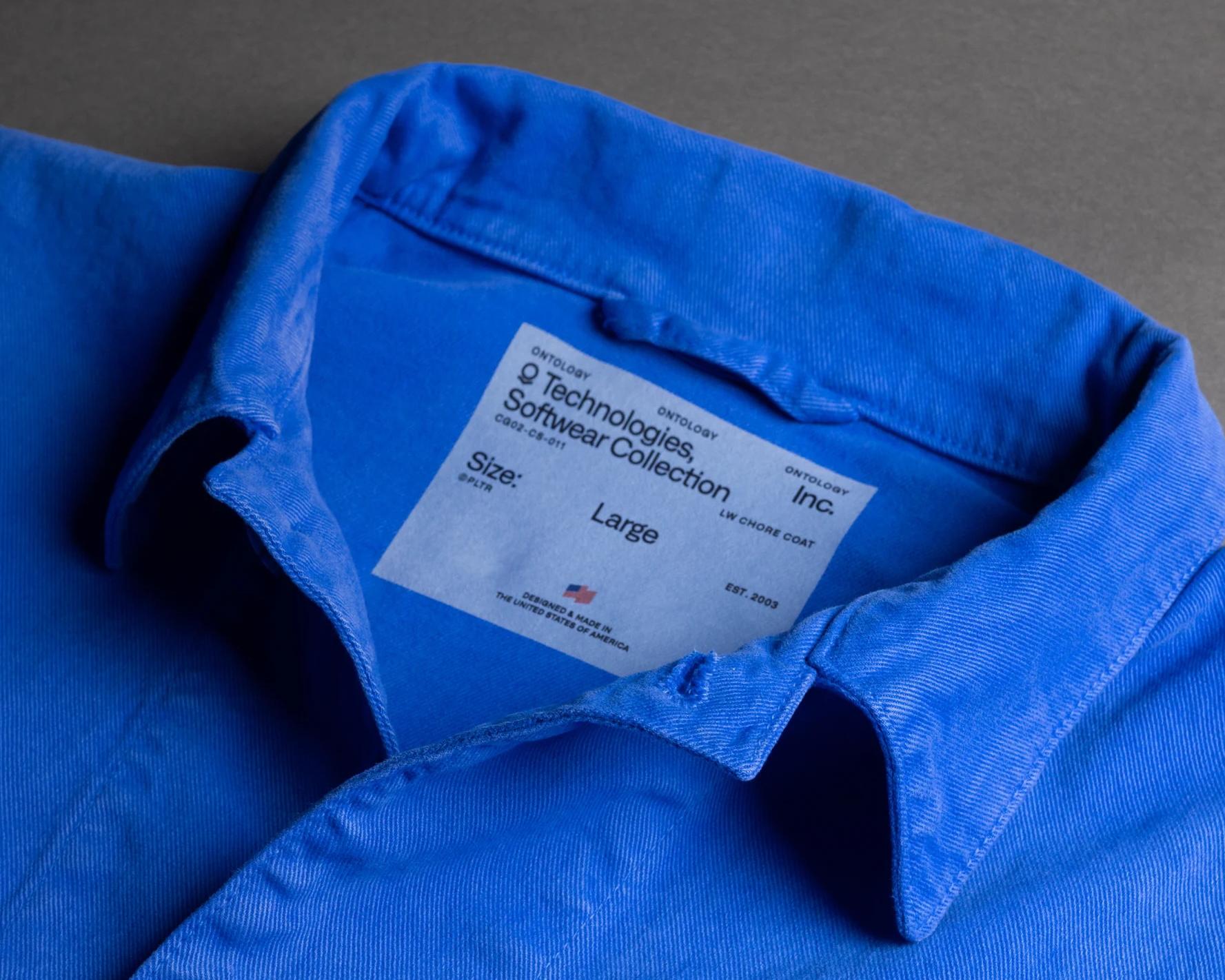
Palantir recently launched a specific merch drop featuring a denim chore coat priced at $239, described as having rugged utility and made in Montana. The inventory of 420 jackets sold out within hours, marking a significant entry into the utilitarian workwear market which has long been a signifier of casual alternative taste. Eliano Younes, the head of strategic engagement at Palantir, stated that the move was part of the company's commitment to re-industrialising America, emphasising that the product was about people aligned with their mission rather than politics.
Anthropic has also expanded its physical footprint by partnering with the high-end digital newsletter Air Mail to host pop-up events in New York and London. These collaborations offered "thinking caps" and coffee, blending the company's identity with the tactile experience of a newsstand. Meanwhile, OpenAI introduced an online shop designed to mimic a 1990s website aesthetic, selling long-sleeved T-shirts that target a Gen-Z adjacent demographic by capitalising on tongue-in-cheek design trends harking back to a less corporate iteration of the web.
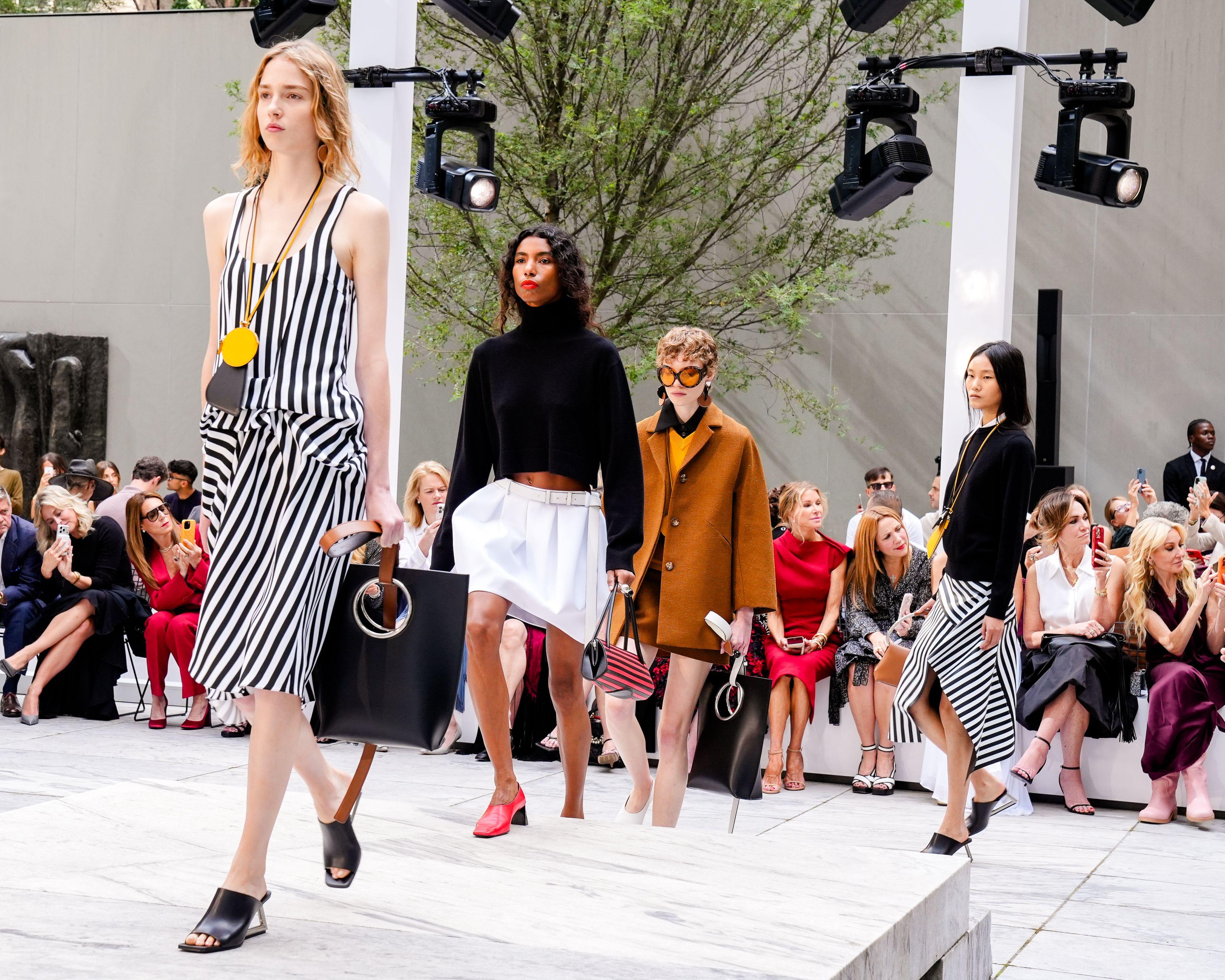
The trend extends to the world's most exclusive fashion events, where tech executives are securing prominent positions through substantial financial contributions. At the Met Gala, Amazon co-founder Jeff Bezos and his wife secured top-table seating via a $10m donation to the Metropolitan Museum of Art's Costume Institute fundraiser. OpenAI, Meta, and Snap purchased tables for at least $350,000 each, joining a gathering that included other senior executives from the technology sector.
Mark Zuckerberg has reportedly cultivated a new personal style, wearing Bode shirts instead of hoodies and attending Prada's show at Milan Fashion Week. This shift reflects a broader desire among technocapitalists to give themselves a veneer of the artisanal, suggesting that personal taste can provide an edge in a market dominated by automation. As one style commentator noted, these companies need cultural capital to be perceived as acceptable in the current zeitgeist, prompting them to adopt the aesthetics of the fashion industry.
However, the drive for taste among tech giants is viewed by some as self-serving, where prognosticators talk up the importance of human instincts while automating everything else. While there is a world in which prioritising human discernment is positive, observers suggest that when applied to tech behemoths, it often leads to hoarding and optimisation for financial benefit. The fashion industry has always had a complicated relationship with the super-rich, but as this year's Met Gala proved, taste has become a buzzword in Silicon Valley that can be bought.