Signs of strain emerge across major international coalitions from NATO to OPEC
Analysis of recent diplomatic reports indicates a shift in the geopolitical landscape, with key institutions facing internal friction.
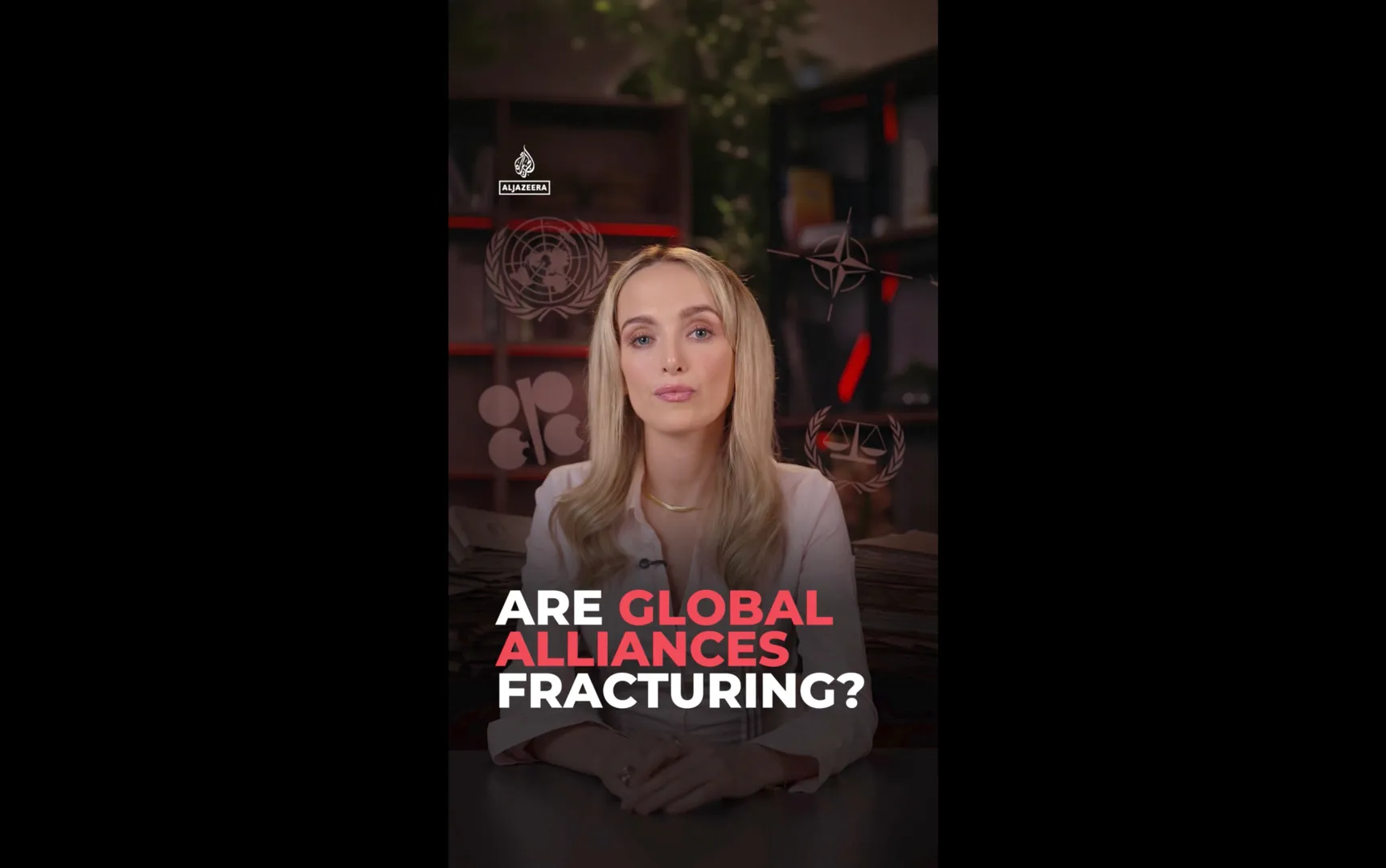
Reports circulating through international channels indicate that major global alliances, ranging from the North Atlantic Treaty Organisation to the Organisation of the Petroleum Exporting Countries, are exhibiting signs of significant strain. This observation suggests a potential fracture in the long-standing frameworks that have governed international relations for decades.
The nature of this tension appears to be widespread, affecting a broad spectrum of geopolitical coalitions rather than isolated bilateral disputes. However, the available information currently relies on general observations regarding the state of these institutions without detailing specific incidents or policy breakdowns that have precipitated the reported friction.
While the overarching narrative points to a deterioration in alliance cohesion, the precise mechanisms driving this shift remain unclear. Analysts note that the reports describe an unprecedented level of tension, yet they do not yet provide granular data on which member states or specific policy areas are at the forefront of these disagreements.
Amidst these broader concerns regarding global stability, diplomatic activity continues at the highest levels. King Charles is proceeding with a four-day state visit to the United States, intended to strengthen US-UK relations and mark the 250th anniversary of American independence. This itinerary includes a scheduled private meeting with President Trump, despite a recent shooting incident at the White House.
Buckingham Palace has confirmed that the state visit will continue as planned, underscoring the commitment to maintaining key bilateral ties even as wider geopolitical pressures mount. The visit serves as a reminder of ongoing diplomatic efforts to manage international relations, even as reports suggest underlying fractures in larger multilateral structures.
Concurrently, legislative developments continue in the United States, with H.R. 7147 having been signed into law. While the signing marks a procedural milestone, specific details regarding the legislation's impact on international alliances are not detailed in the available context. The intersection of domestic legislative action and international diplomatic strain remains a subject of observation for policy watchers.
The current situation highlights a complex backdrop where high-profile diplomatic engagements proceed alongside reports of institutional stress. As the international community navigates these developments, the focus remains on understanding the full extent of the reported strain within these critical global alliances.