Ship-fuel shortage puts Asian freight costs under pressure
War-related supply disruptions and refiners’ preference for diesel are tightening fuel-oil markets, pushing marine-fuel prices higher.
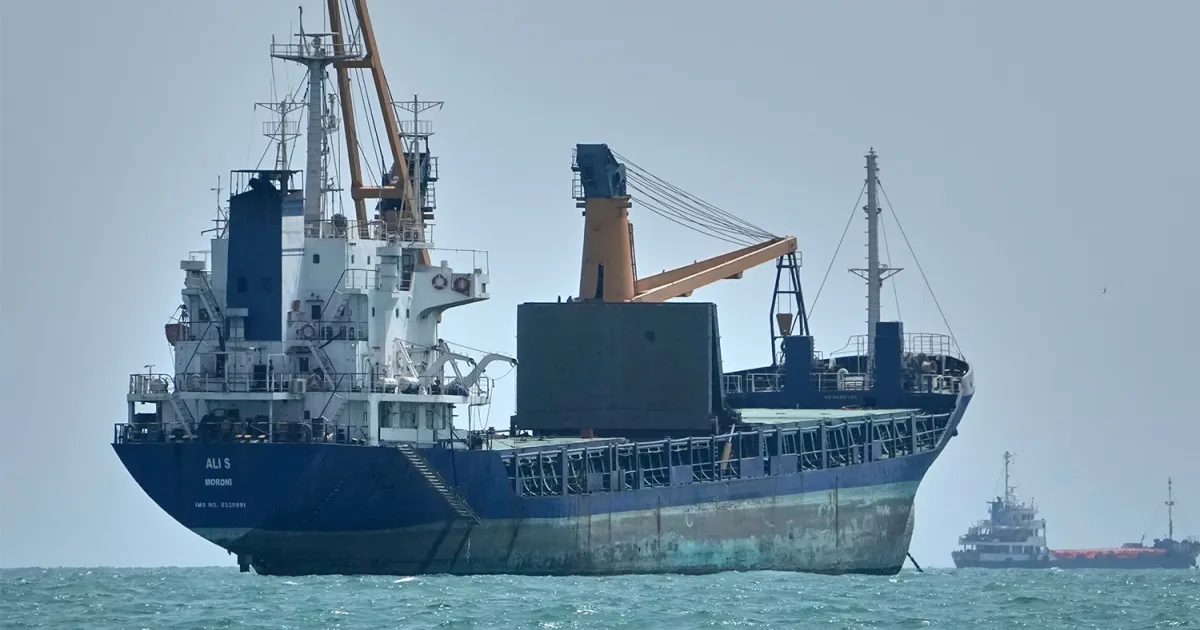
Fuel oil used by ships and power plants is becoming less available as conflict disrupts crude supplies from the Gulf and Russia, while refiners favour more profitable products such as diesel. The resulting market squeeze is raising marine-fuel prices and could increase freight costs, particularly in Asia, Al Jazeera reports.
Middle East fuel-oil exports averaged 447,000 barrels per day between March and August, down 45 per cent from a year earlier, according to Kpler. Energy consultancy Energy Aspects expects a fuel-oil market deficit of 218,000 barrels per day in the third quarter.
Russia’s fuel-oil exports fell to 591,000 barrels per day in August, compared with an average above 860,000 barrels per day in 2025. Kpler attributed the decline partly to the effect of Ukrainian attacks on Russian refinery output.
Supply routes have also faced disruption around the Strait of Hormuz and the Red Sea, linked to the Iran and Israel-US conflicts and attacks by Yemen’s Houthis. Refiners can further reduce fuel-oil availability by processing heavy oil residue into higher-value products such as diesel.
Singapore, the world’s largest bunker hub, imports more than half of the fuel oil it consumes. Its very low sulphur fuel-oil price rose 76 per cent since the Iran war began, reaching just below US$825 per metric tonne on 1 September, according to ZeroNorth. Stocks in Amsterdam-Rotterdam-Antwerp and Fujairah were about 30 per cent below three-year seasonal averages, Reuters reported.
Higher fuel costs could feed into freight prices and affect manufacturers and consumers, although the scale of any wider impact remains uncertain. The reported deficit and market figures may also change as further data becomes available.