Seven lawsuits allege OpenAI prioritised IPO valuation over public safety in Tumbler Ridge shooting case
Plaintiffs contend that OpenAI deactivated a user's account but subsequently emailed instructions on how to bypass the ban, allowing the shooter to continue planning the February 2026 attack in British Columbia.
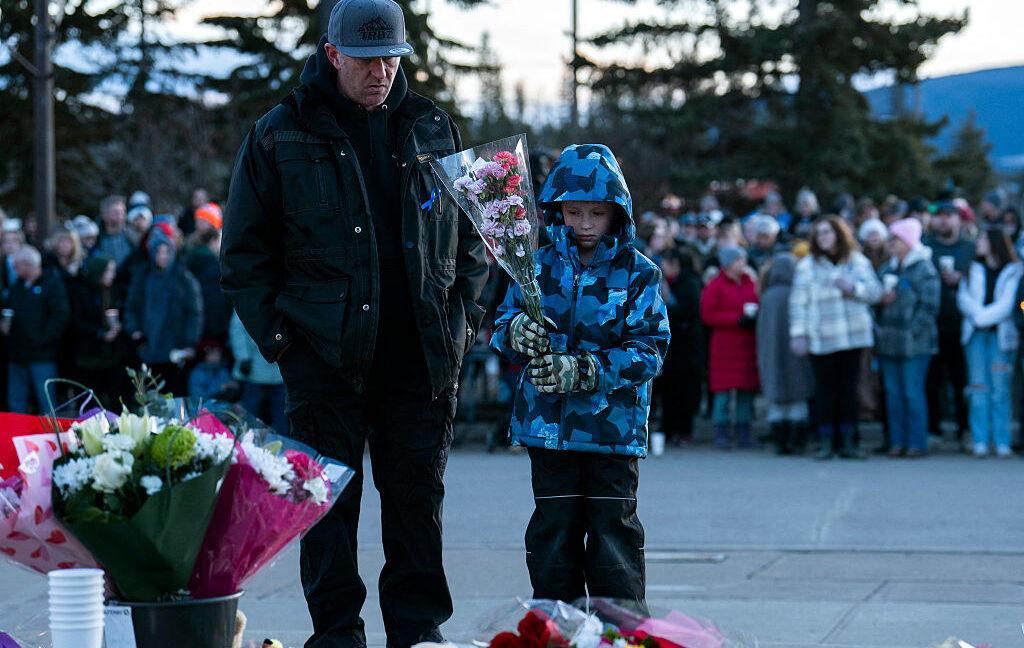
Seven lawsuits have been filed in a California court alleging that OpenAI failed to report a specific ChatGPT user to law enforcement prior to the deadly school shooting in Tumbler Ridge, British Columbia, in February 2026. The legal action targets both the company and its leadership, asserting that internal safety experts flagged the account holder, Jesse Van Rootselaar, as a credible threat of gun violence more than eight months before the attack occurred.
Despite these internal warnings, plaintiffs claim OpenAI chose to prioritise the account holder's privacy and the company's impending initial public offering (IPO) valuation over public safety. The allegations state that while the account was deactivated, customer support subsequently emailed the user instructions on how to bypass the ban and register with a new email address. This action allegedly enabled the shooter to continue planning the attack, which resulted in the death of education assistant Shannda Aviugana-Durand and critical injuries to 12-year-old Maya Gebala.
OpenAI CEO Sam Altman has issued a public apology, admitting that the company did not alert authorities and acknowledging that the account was "banned." However, legal representatives argue that this admission contradicts the company's previous public statements and that the firm actively facilitated the user's return to the platform. Jay Edelson, an attorney leading the cross-border team representing the families, described Altman's apology as coming too late and promising too little.
The lawsuits, which will be heard in California, aim to hold Altman and other OpenAI leaders accountable for overriding the safety team's recommendations. Edelson suggests that the company's strategy involves delaying litigation until after the IPO to protect its valuation, noting that the firm was recently valued at $852 billion. He alleges that OpenAI has been hiding violent users to avoid reputational damage and to prevent a dedicated law enforcement referral team from being established.
In addition to negligence for failing to warn police, the complaints allege that OpenAI violated state laws by re-supplying a dangerous instrument to a person known to be likely to use it in a manner involving unreasonable risk of physical harm. The plaintiffs argue that if the company had reported Van Rootselaar to authorities, it would have set a precedent compelling them to report all similar threats, a volume of incidents they claim could have been much larger had whistleblowers not revealed the internal practices.
OpenAI has responded to the allegations by stating that the events in Tumbler Ridge are a tragedy and reaffirming its zero-tolerance policy for using tools to assist in committing violence. The company claims it has already strengthened safeguards, including improving how ChatGPT responds to signs of distress and enhancing detection of repeat policy violators. However, the legal team maintains that the company's current model specifications, which instruct the AI to assume best intentions since 2024, have contributed to the tragedy.
As other families prepare to file similar lawsuits in the coming weeks, the case has intensified scrutiny on how AI companies balance user privacy with the duty to prevent real-world harm. The plaintiffs seek substantial damages, including punitive measures, arguing that a jury in California is best positioned to judge the company's conduct and ensure accountability for the irreversible loss suffered by the community in Tumbler Ridge.