Serial ultramarathon runner details 10-lb kit for 80-mile Italian Apennine trek
An experienced long-distance runner outlines the specific footwear, technology, and medical supplies required to complete the Via Degli Appennini trail challenge.
A serial ultramarathon runner has documented the execution of an 80-mile trail run across the Italian Apennines, completing the Via Degli Appennini route from Florence to Bologna over three consecutive days. The challenge involved covering approximately 24 miles on the first day, 26 miles on the second, and a final 30 miles on the third, with daily running times ranging between five and eight hours.
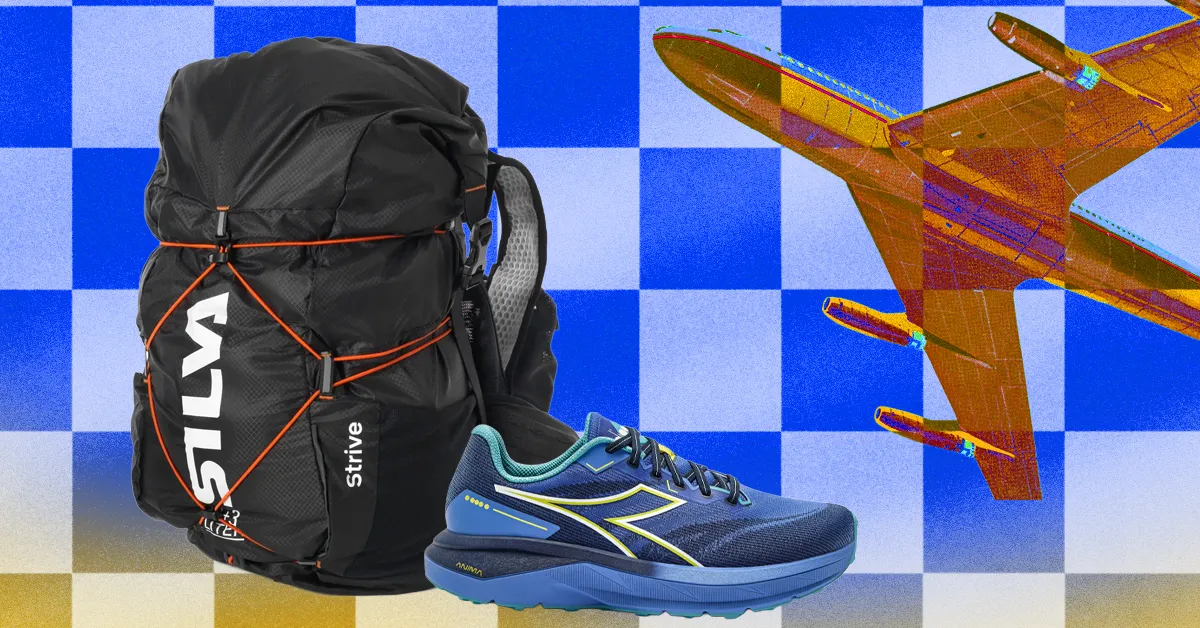
To sustain this effort, the athlete successfully carried all essential survival and comfort gear in a single 10-lb backpack weighing approximately 4.5 kg. The kit was selected to handle diverse terrain, from hard-packed roads to technical, rock-strewn descents, while ensuring the runner could forage for food and manage personal needs without carrying multiple pairs of shoes or heavy equipment.
Footwear for the expedition consisted of Diadora Nucleo 2 GR gravel running shoes, which provided significant cushioning and grip on runnable terrain. While the shoes offered a protective fit and a roomy toe box to prevent blisters, the runner noted they struggled with precision and agility on steep, technical sections, highlighting the trade-offs inherent in choosing a single pair of shoes for such a demanding multi-day event.
Technology played a critical role in navigation and safety, with the Garmin Fenix 8 Pro 51 mm AMOLED serving as the primary watch. This device was chosen for its multi-day GPS battery life, reliable mapping, and satellite safety features including SOS and off-network messaging capabilities. For audio and communication, the runner utilised Samsung Buds4 Pro headphones, which offered high-quality sound and sufficient battery life to last a full day of activity.
The Silva Strive 23 backpack, featuring a 23-litre main compartment and an additional 3-litre roll top, was identified as the most mission-critical piece of kit. Its durable harness system and bounce-free fit allowed the runner to lock the pack securely to their body, preventing irritation during steep downs and ensuring easy access to front pockets for fuel, charging packs, and a headlamp.
Hydration and nutrition were managed using two 750ml hard flasks, with a diet comprising Precision Fuel & Hydration PF30 chews, Veloforte Amaro chews, and electrolyte tabs. To mitigate the risk of friction burns from wearing the same kit for up to seven days, the runner applied 2Toms Sportshield anti-chafe roll-on to key areas such as nipples, thighs, and underarms.
A comprehensive first aid kit was carried to address inevitable blister risks and potential emergencies. The medical supplies included a hypodermic needle for puncturing blisters, alcohol wipes, iodine patches, gauze, and physio foot tape. The runner also carried emergency signalling tools, including a whistle, compass, and small mirror, alongside calorie-dense food reserves to ensure safety in remote mountain environments.