Serbia and NATO launch first joint military exercise in Bujanovac under Partnership for Peace
Approximately 600 troops from Serbia, Italy, Romania and Turkiye participate in the two-week drill alongside planners from major alliance members
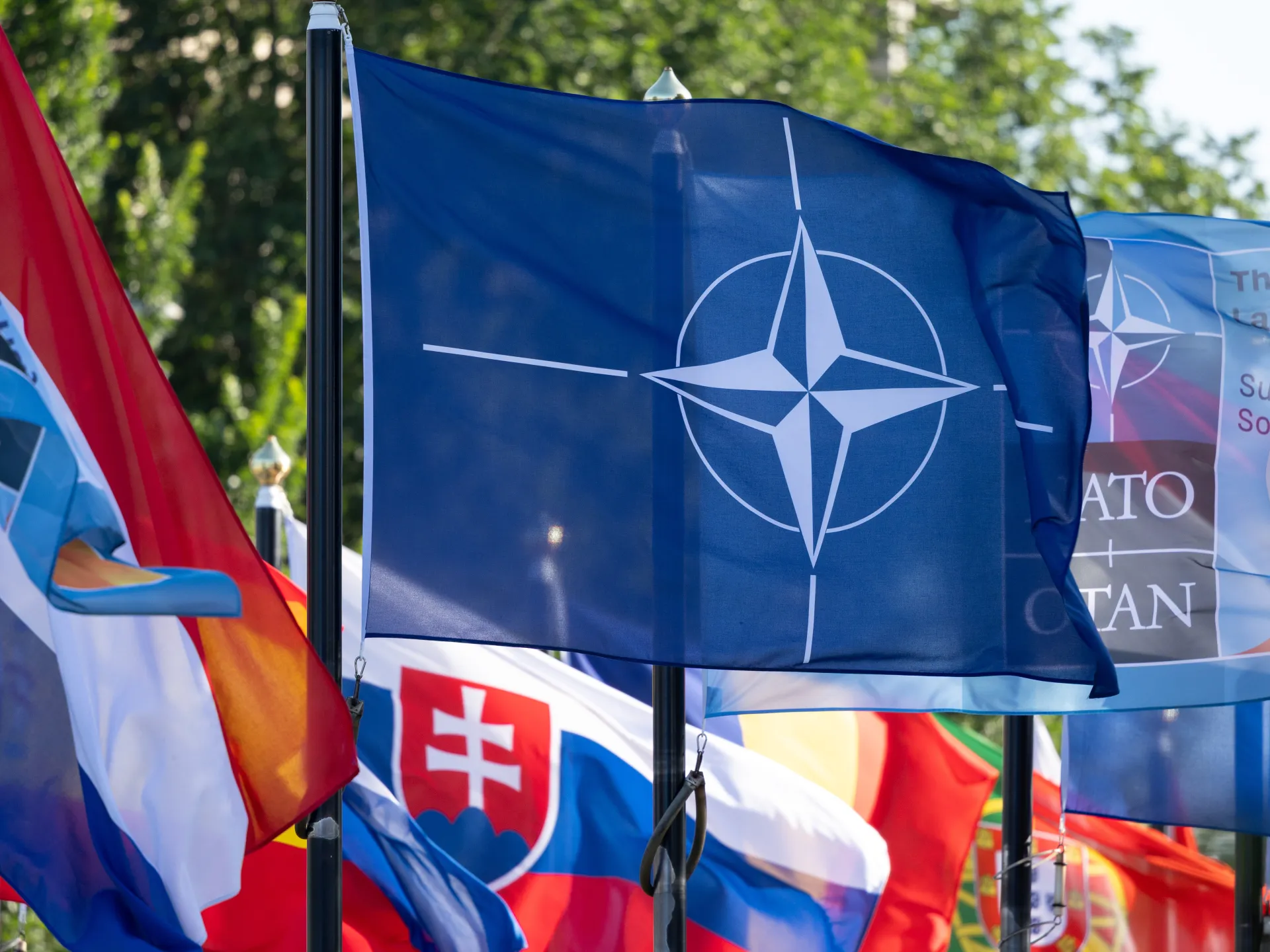
Serbia and NATO have commenced their first-ever joint military exercise, marking a significant shift in the relationship between the Balkan nation and the alliance that conducted an air campaign against its capital less than three decades ago. The two-week drill, scheduled to conclude on May 23, is being conducted near Bujanovac in southern Serbia under the framework of NATO's Partnership for Peace programme.
While Serbia has regularly participated in bilateral drills with individual NATO members over the past twenty years, this event represents the first time the country has engaged in a joint exercise directly with the alliance itself. Approximately 600 troops from Serbia, Italy, Romania and Turkiye are taking part, supported by military planners and observers from France, Germany, Montenegro, the United Kingdom and the United States. Visual reports released on Tuesday depict Serbian and NATO soldiers training side-by-side with armoured vehicles at the southern training ground.
The timing of the exercise carries considerable weight given the historical context of the 1999 conflict. NATO officials state that the drills are being conducted in full respect of Serbia's stated policy of military neutrality. This diplomatic balancing act is crucial for a nation that has never recognised Kosovo's declaration of independence, even as a NATO-led peacekeeping force has been stationed in the region since the war ended.
Serbia's Ministry of Defence described the cooperation as aimed at preserving peace and stability in the region. Royal Navy Commander Ian Kewley noted that the teams were able to collaborate in a seamless manner, attributing this success to a shared track record in planning major international exercises. The tactical nature of the event falls within the existing Partnership for Peace structure, which Serbia has maintained for nearly two decades.
Despite the landmark nature of the cooperation, the strategic implications remain to be fully assessed. Serbia continues to balance close ties with both the alliance and Russia, having bolstered its military capabilities over the last ten years by purchasing arms from a diverse range of sources including NATO members, Russia and China. The exercise does not alter the country's fundamental stance of neutrality or its refusal to recognise the independence of Kosovo.