Seoul temple introduces first humanoid robot monk in South Korea
Officials at a Buddhist temple in Seoul have formally introduced the nation's first humanoid robot ordained as a monk, signaling a significant evolution in how religious institutions integrate modern automation.
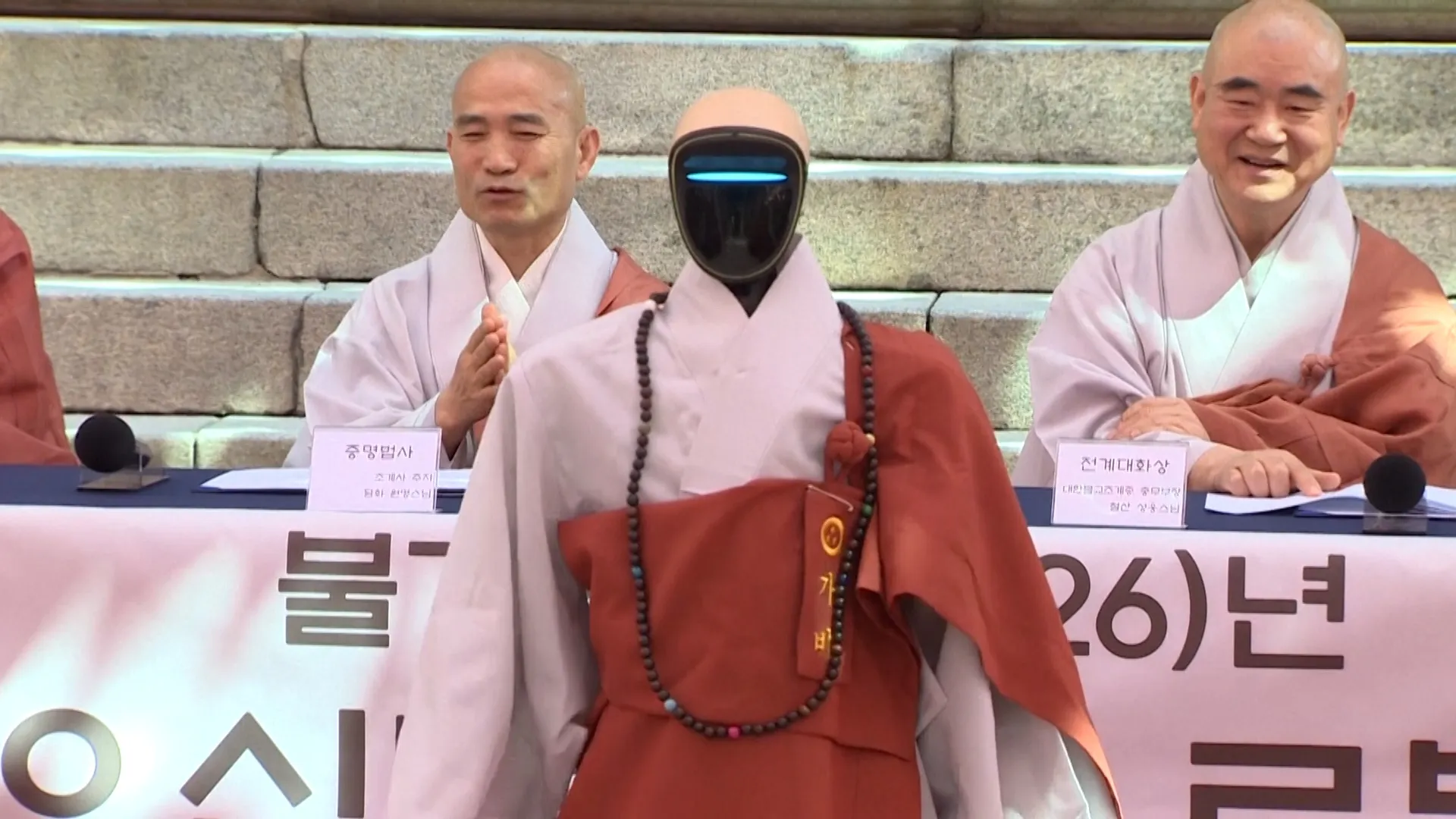
A Buddhist temple in Seoul has officially introduced South Korea's first humanoid robot monk. This development represents a distinct shift in the governance of religious practice, marking the first instance where a machine has been formally integrated into the monastic hierarchy of the country.
The introduction of the robot underscores a broader trend in the region where traditional cultural institutions are adapting to rapid technological advancements. By ordaining a humanoid unit, the temple administration is redefining the boundaries of spiritual roles within a modernising society.
While the specific name of the temple or the robot remains unconfirmed in available reports, the event itself is confirmed as a singular occurrence. The lack of detailed nomenclature does not diminish the significance of the action, which stands as a clear policy marker for the future of religious administration in South Korea.
The ordination process, though not detailed in depth regarding the specific mechanics of the ceremony, has been treated as a formal introduction by the temple. This suggests that the institution is moving beyond symbolic gestures to implement tangible changes in its operational structure.
The event falls squarely within the category of culture and technology integration, highlighting the complex relationship between established traditions and emerging digital capabilities. It serves as a case study for how governance bodies in the sector are navigating the introduction of non-human entities into sacred spaces.
No further details regarding the robot's specific duties or the extent of its ordination have been released by the source. Consequently, the focus remains on the institutional decision to introduce the unit rather than the functional capabilities of the machine itself.
This move by the Seoul temple sets a precedent for future interactions between automated systems and religious governance. As the first of its kind in the nation, the robot monk represents a new chapter in the policy landscape of South Korean cultural heritage.