Senegal’s World Cup Ambition Masks Structural Flaws in Football Governance
While coach Pape Thiaw’s squad is a genuine contender for the 2026 tournament, local academies face exploitation and administrative bottlenecks that undermine the domestic game.
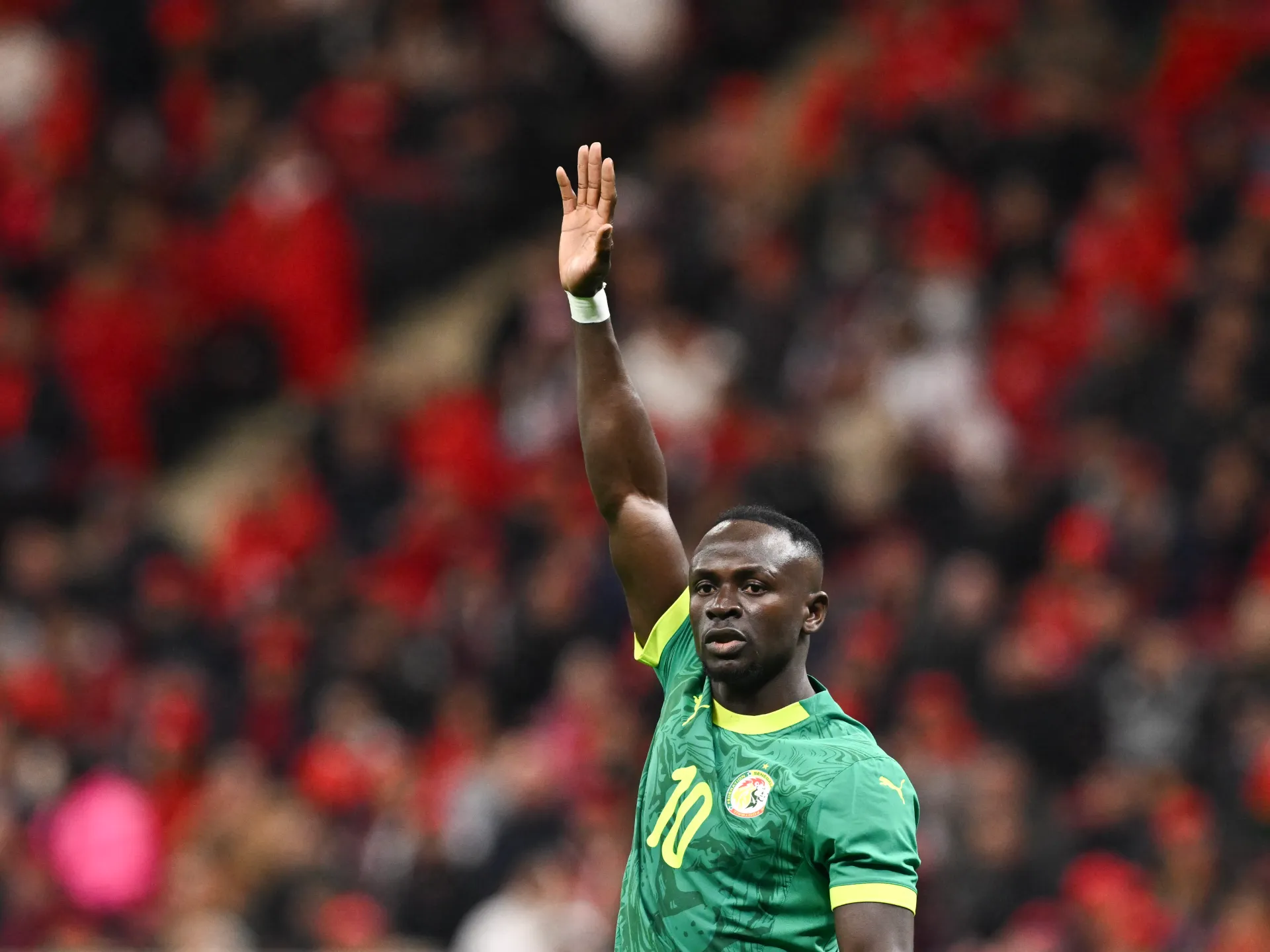
Senegal’s national football team has established itself as a serious contender for the 2026 World Cup in North America, a status reinforced by consistent continental success and a strategic blend of experienced veterans and diaspora recruits. Coach Pape Thiaw has publicly articulated an ambition to win the tournament, a stance that has garnered respect within the wider footballing community rather than ridicule. This confidence is rooted in the team’s performance over the last decade, where Senegal has either won the Africa Cup of Nations (AFCON) or lost to the eventual champions in every tournament they have participated in.
The foundation of this success relies on a robust network of local academies and smart diaspora recruitment. For a population of just 20 million, Senegal produces talent at a scale unmatched on the continent, with 13 of the 28 players selected for the 2025 AFCON coming from local institutions such as Generation Foot, Diambars, and Dakar Sacre Coeur. These academies provide state-of-the-art facilities and education, sending players to Europe’s top five leagues. However, this output has created a stark economic disparity, with European clubs generating hundreds of millions of euros from players developed in Senegal, while the local academies receive minimal transfer fees.
The financial imbalance is most evident in the relationship between Generation Foot and French club FC Metz. Over 23 years, Metz has invested more than 10 million euros in the academy in exchange for the right of first refusal on its best talent. Despite this investment, the 13 AFCON players from academy backgrounds generated just 100,000 euros in transfer fees for their respective academies across 13 moves. In contrast, the European clubs that acquired these players sold them on for a combined 81.2 million euros, with the players themselves generating 411 million euros in total career transfer fees.
Beyond economic exploitation, administrative failures within the Senegalese Football Federation have hindered the ability of academies to secure legally owed solidarity compensation. This FIFA mechanism entitles clubs to a share of future transfer fees for players trained between the ages of 12 and 23. Cherif Sadio, director of development at Diambars FC, highlighted an incident where an error in player registration nearly deprived Casa Sports of 185,000 euros from Nicolas Jackson’s transfer to Chelsea. Although the issue was resolved, Sadio noted that such administrative errors should not occur, reflecting a broader struggle among local administrators to master the legal and financial mechanisms of modern football.
The federation has also matured its approach to diaspora recruitment, successfully persuading French-born talents such as Ibrahim Mbaye and Mamadou Sarr to represent the national team. This strategy targets players aged 16 to 19 before they are tied to other nations, leveraging their cultural identity and Senegal’s recent sporting success. However, the gap between the elite national team and the rest of the domestic game remains troubling. While the team competes for global glory, local clubs struggle to survive, stadiums remain dilapidated, and the leagues lack visibility, raising questions about the long-term sustainability of the system.