Seismic activity in eastern Indonesia leaves 14 dead as infrastructure damage mounts
Governance and emergency response agencies are managing the aftermath of a shallow earthquake that triggered a temporary tsunami warning and significant structural damage to public facilities.
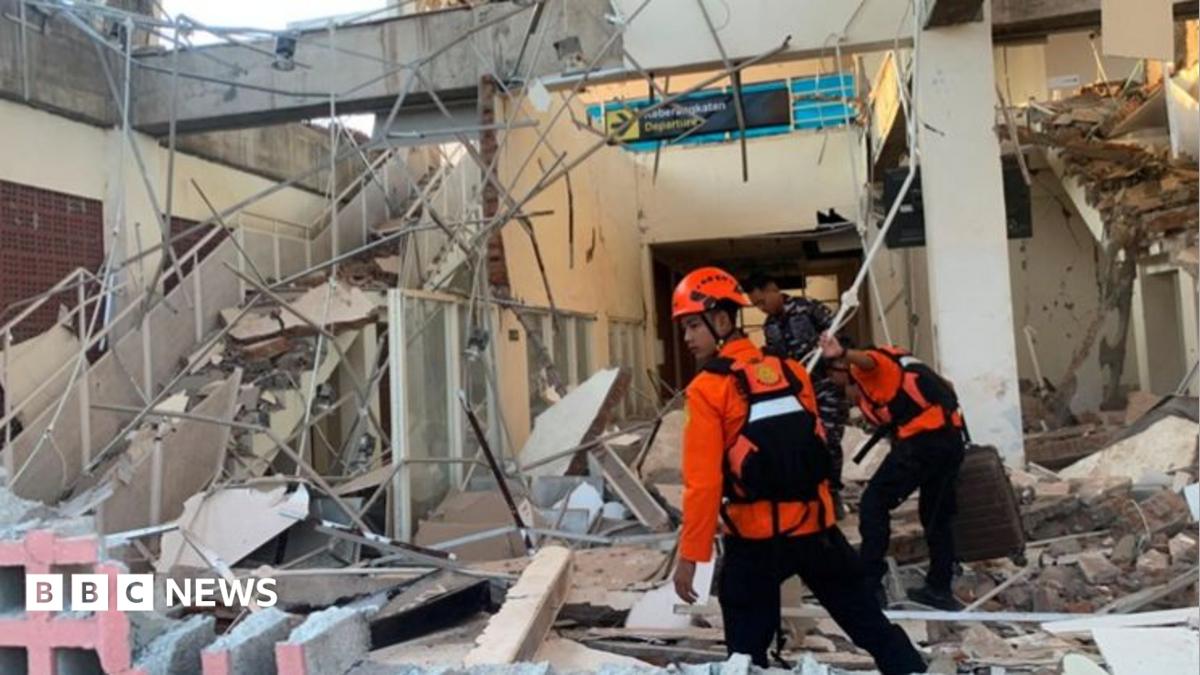
A 7.7-magnitude earthquake struck off the coast of Flores island in eastern Indonesia early on Saturday, resulting in at least 14 confirmed fatalities and dozens of injuries. The national disaster mitigation agency (BNPB) reported that the deaths were distributed across Sikka, Manggarai, and East Manggarai provinces, with preliminary data indicating three fatalities in Sikka, six in Manggarai, and five in East Manggarai.
The tremor occurred at a depth of 15km, approximately 1,000km from Bali, at a time when shallow seismic events are known to produce more destructive surface effects. Strong aftershocks, including a 6.1-magnitude event, were felt in the region, complicating rescue efforts and prompting authorities to advise residents to remain calm and avoid structures showing signs of damage.
Infrastructure integrity has been significantly compromised across the affected areas. Preliminary reports from the BNPB indicate that 54 houses, five healthcare facilities, three places of worship, six government buildings, an educational institution, and a warehouse have sustained severe damage. In Maumere, video footage captured large chunks of concrete breaking off the port terminal, with a gangway collapsing onto passengers waiting to board a ferry.
Governor of East Nusa Tenggara province, Emanuel Melkiades Laka Lena, stated during a news conference that several victims were killed in their sleep by collapsing rubble. Local residents, including Arnold Welianto in Talibura, reported being awoken by strong shaking and observing the sea recede, which triggered panic and immediate evacuation to higher ground and community health centres.
A tsunami warning was issued for the northern coast of Flores and surrounding islands but was lifted three hours after the initial jolt after no significant sea-level rise was detected. Despite the lifting of the warning, approximately 2,000 people had already evacuated or relocated to safer ground. The BNPB noted that assessing the full extent of destruction in the remote and mountainous region will take time, while Indonesia’s position at the convergence of three major tectonic plates continues to expose the archipelago to frequent seismic activity.