Security concerns override tradition as Mawlid festivities halted in Tigray
While Muslims across the continent marked the birth of the Prophet Muhammad, local observances in the Tigray region were suspended following recent drone strikes.
The annual observance of Mawlid, which commemorates the birth of the Prophet Muhammad, was marked across the African continent this week. However, the celebration took on a different character in the Tigray region, where local festivities were officially cancelled.
The decision to halt the events in Tigray was driven by security concerns arising from recent drone attacks in the area. These strikes have heightened tensions in a region already grappling with the effects of ongoing conflict, prompting authorities to prioritise safety over traditional gatherings.
Despite the cancellations in Tigray, the broader African community continued to observe the occasion. The contrast between the widespread celebrations and the local suspensions highlights how specific security incidents can disrupt cultural and religious practices, even when the wider continent remains unaffected.
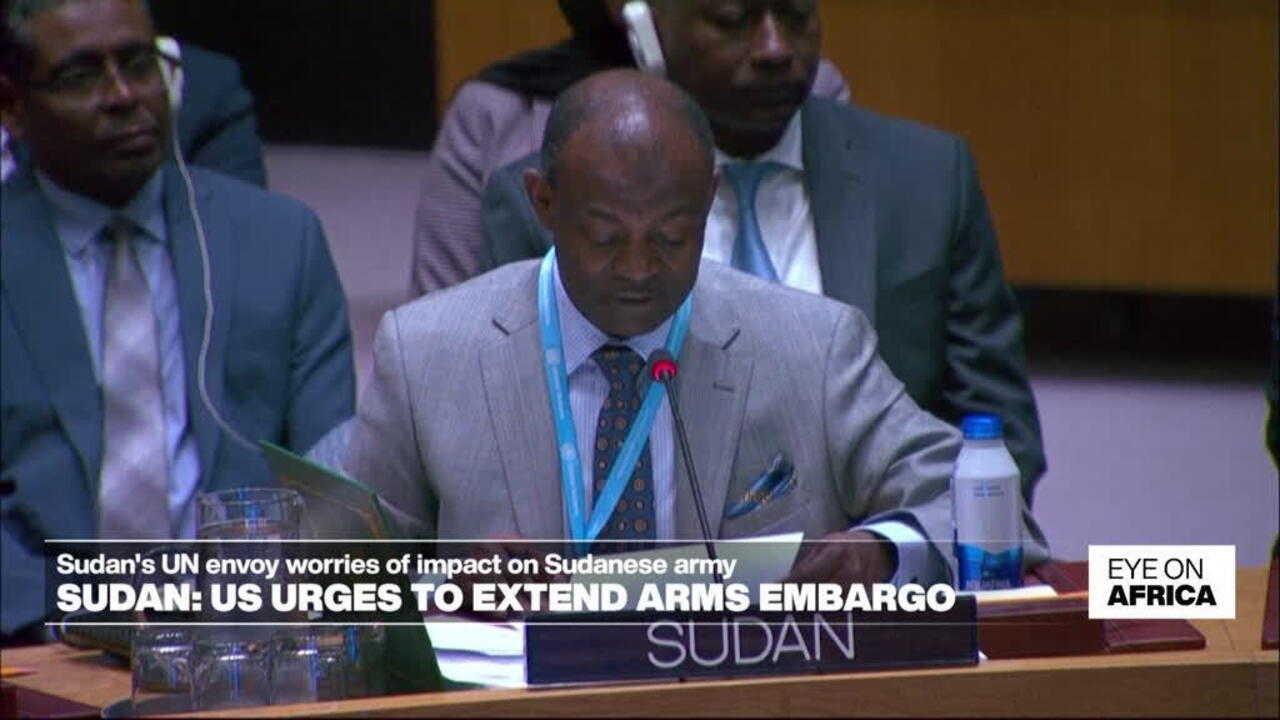
According to France 24 International, the Mawlid cancellations were part of a broader news cycle covering significant developments across the continent. The report noted that the observance was a major event for Muslim communities, with the Tigray situation serving as a notable exception to the general mood of celebration.
The incident underscores the intersection of security and cultural life in conflict-affected zones. While the specific timeline of the drone attacks was not detailed in the initial report, their immediate impact on public events was clear. The cancellation serves as a reminder of the fragility of public order in regions where infrastructure and security remain under strain.
As the continent moves past the observance, the Tigray region faces the task of balancing security measures with the desire to maintain cultural traditions. The episode offers a glimpse into the administrative decisions required to manage public gatherings in volatile environments, where the risk of further incidents can outweigh the desire for communal celebration.