SDF integration leaves Syria’s Kurdish rights unresolved
The dissolution of the Syrian Democratic Forces and the Kurdish-led Autonomous Administration has divided Kurdish opinion over whether constitutional politics can secure lasting rights.
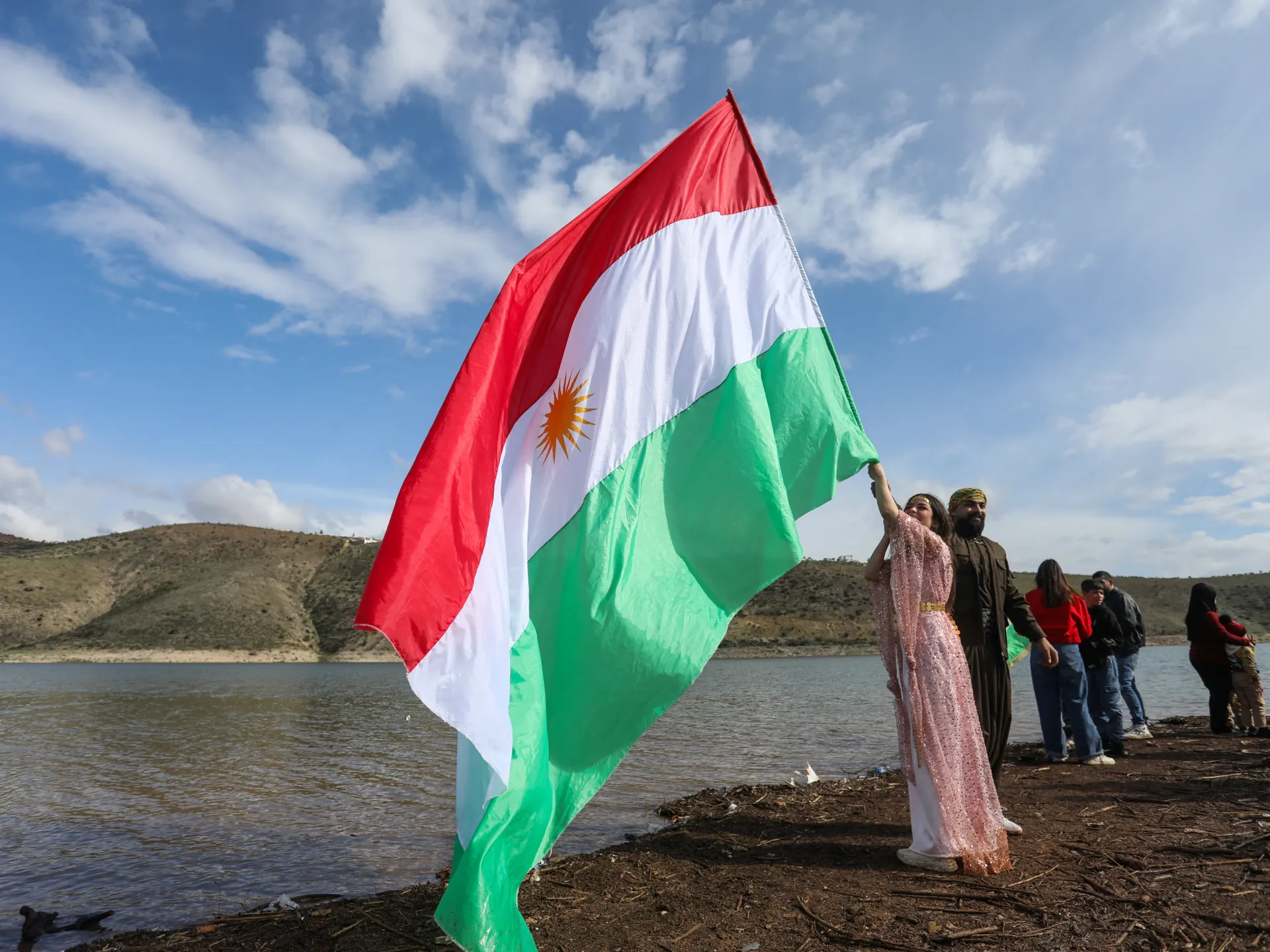
The Syrian Democratic Forces have been disbanded and integrated into Syria’s government forces, while the Kurdish-led Autonomous Administration has been dissolved after months of talks. The move has prompted debate among Kurdish politicians and analysts in Syria and neighbouring countries over the future of Kurdish political, cultural and language rights.
SDF leader Mazloum Abdi described the integration as a transition from armed conflict to peace and reconstruction. Some Kurdish politicians have presented the change as an opportunity to participate in building a new Syria and pursue recognition through the country’s constitution.
Others argue the decision reflected Turkish and US pressure and could marginalise Kurdish demands. Türkiye regards the Kurdistan Workers’ Party and the People’s Protection Units, which led the SDF, as terrorist organisations. The PKK announced in May 2025 that it would dissolve and end its armed conflict with Türkiye.
Kurdish representatives say key protections remain unsettled, including recognition of the Kurdish language, cultural rights and participation in decision-making. Perwin Yousef, co-chair of the Democratic Union Party, said the integration was not necessarily a setback but acknowledged there were no guarantees for Kurdish national, political and cultural rights.
Analysts cited by Al Jazeera said the SDF had limited alternatives after Western support declined and Syrian government forces advanced across northern Syria. The SDF was formed in 2015 with US support to fight ISIL and controlled much of the northeast, where most of Syria’s Kurdish population lives.
The outcome remains contested. Some Kurdish figures see constitutional participation as a pragmatic path to influence, while others fear the dissolution of the Kurdish administration and armed force has weakened leverage before rights protections are secured.