SDF dissolution marks shift to peace, but Syria’s military unification remains incomplete
The Kurdish-led Syrian Democratic Forces have formally merged with the state military, yet analysts warn that unresolved questions over command structures and the integration of specific units indicate that full institutional unity is still a work in progress.
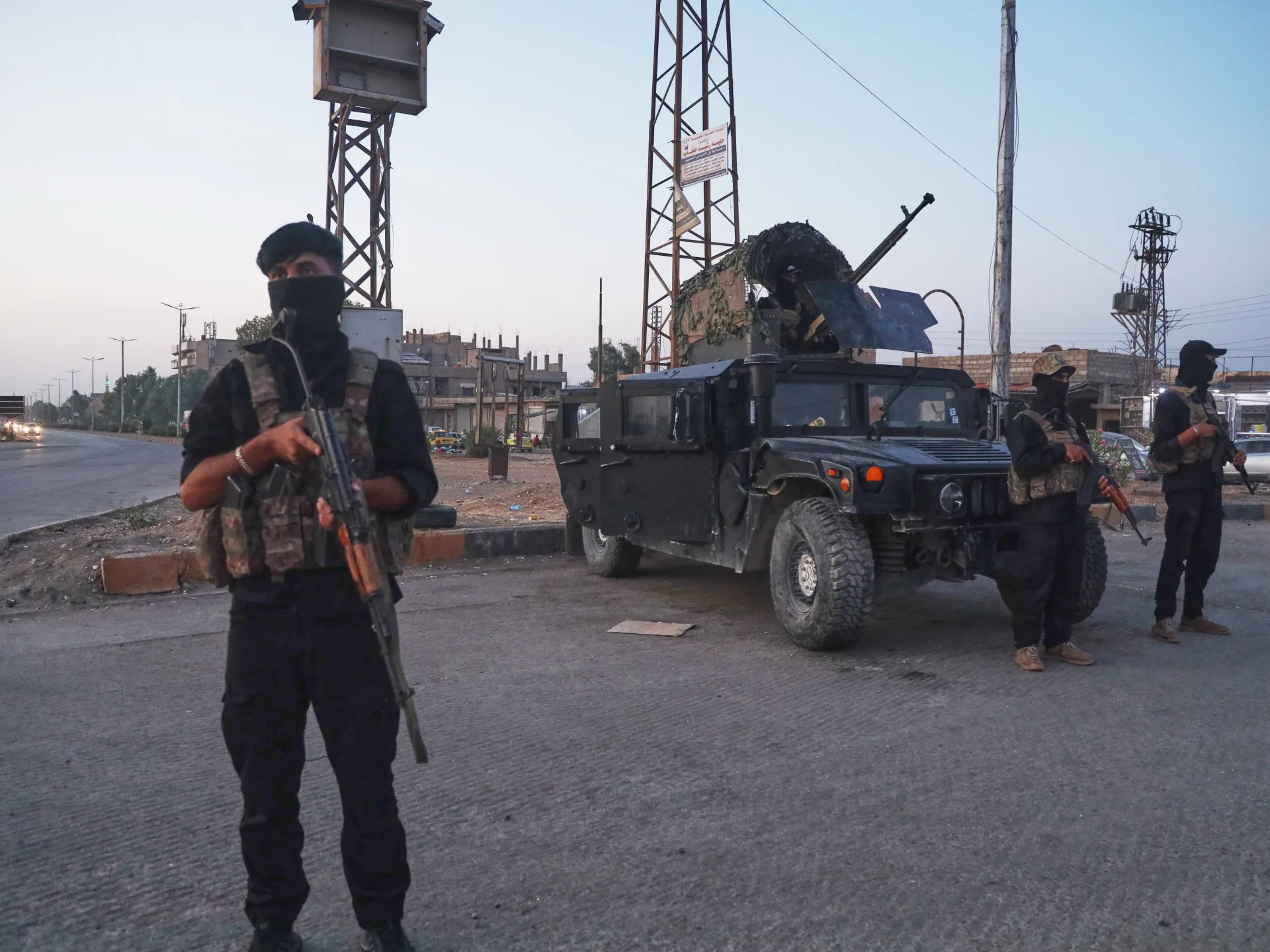
The Kurdish-led Syrian Democratic Forces (SDF) announced its dissolution on Tuesday, formally merging its combatants into the Syrian military under the command of the Ministry of Defence. SDF leader Mazloum Abdi described the move as a transition from the "era of weapons to the era of peace," marking a significant step for the Syrian government in establishing sole authority over the country’s armed forces after nearly 14 years of conflict.
The decision follows a government-led offensive into the northeast in January and improved relations between Damascus and Washington. Rob Geist Pinfold, a lecturer on security studies at King’s College London, noted that the United States has signalled that the SDF no longer holds "protected status," a shift that pressured the group to accept the government’s terms. This development effectively ends the independent existence of the largest organised military force outside Damascus’s direct authority.
While the formal merge has been completed, the finer details of integration remain under discussion. SDF military fighters are being incorporated into the Syrian army, while the Asayish, the SDF’s affiliated security forces, and other local security bodies are being integrated into the Ministry of Interior. Civilian institutions and employees associated with the SDF are also being transferred to relevant government ministries.
A specific point of contention remains the integration of the SDF’s Women Protection Units, known as the YPJ. The Syrian government initially suggested the YPJ be integrated into the Interior Ministry as a counterterrorism unit, rather than the Defence Ministry, which the YPJ preferred. Although no final decision has been announced, Alexander McKeever, an author based in Qamishli, described the potential compromise as significant for a government that had previously rejected women in combat or heavy security roles.
Analysts caution that the agreement may end Syria’s military division, but inclusive institutions and a single national chain of command are required to make the unity sustainable. It remains unclear whether former SDF fighters will report directly to Damascus or to more local command structures, and specific details regarding their deployment locations and roles are still being negotiated.
Syria’s President Ahmed al-Sharaa has repeatedly pledged constitutional protection for Kurdish language and political rights to assuage concerns among the Kurdish population. However, given that the current government is led by figures formerly associated with rebel groups that had previously fought the SDF, Kurdish communities are likely to remain cautious, seeking guarantees concerning local security and political representation.