SDF dissolution marks end of Kurdish autonomy dream in Syria
The dissolution of the Syrian Democratic Forces follows a deal with President Ahmed al-Sharaa’s government, cementing state control after the ousting of Bashar al-Assad.
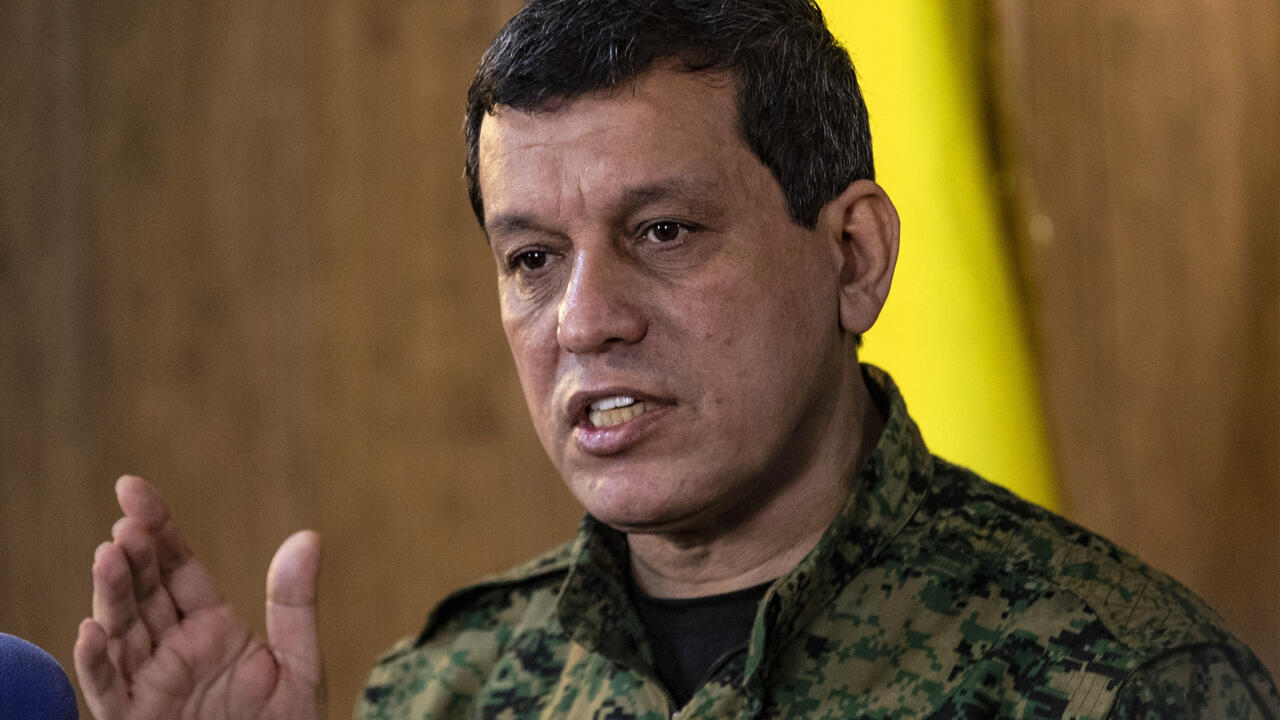
Mazloum Abdi, commander-in-chief of the Syrian Democratic Forces (SDF), announced the dissolution of the group as an independent military force on Tuesday, 25 August 2026. Speaking during a televised address at the presidential palace in Damascus, Abdi declared that the SDF had completed its mission of liberating cities from the Baathist regime and the Islamic State (IS) group. The announcement follows the formal integration of SDF fighters into the brigades of the Syrian army, a move described as a major victory for Syrian President Ahmed al-Sharaa.
The SDF, formed in 2015 at the instigation of the United States to combat the IS group, had long been Syria’s most highly trained and organised paramilitary force. At its peak, the group commanded around 100,000 fighters and controlled swathes of the country’s oil-rich north and northeast. However, following clashes in January 2026, the force lost the provinces of Raqa and Deir Ezzor to government troops. This territorial loss triggered mass defections among Arab members of the SDF, reducing its strength to approximately half its previous size.
The integration deal, signed in January, required the SDF to expel all non-Syrian leaders and members of the Kurdistan Workers' Party (PKK) from the country. Turkey had long viewed the SDF as an extension of the PKK, launching invasions between 2016 and 2019 to push fighters from its border. The dissolution effectively ends the Kurds' long-held aspiration for autonomy, although Abdi noted that efforts to enshrine Kurdish rights in the constitution would continue.
President al-Sharaa has moved to consolidate his authority since ousting Bashar al-Assad in late 2024. As part of the integration agreement, al-Sharaa signed a decree recognising Kurdish as a national language, an unprecedented step since Syria’s independence in 1946. The political shift was facilitated by the United States removing Syria from its list of state sponsors of terrorism, which allowed Washington to drop its designation of the SDF as a terrorist group and support the new authorities in Damascus.
Abdi stated that the circumstances in Syria had changed, with the country entering a new phase characterised by peace and participation. The SDF had shouldered heavy responsibility since its creation, liberating many towns from both the former regime and the terrorism of Daesh. With the integration process complete, the Kurdish-led force now operates under the umbrella of the Syrian state, marking a significant restructuring of the country’s security landscape.