Scientific analysis confirms Alaska megatsunami was second largest ever recorded
The event, triggered by minor seismic activity, generated a wave nearly 500 metres high in southeast Alaska's Tracy Arm Fjord, prompting cruise operators to suspend operations in the region
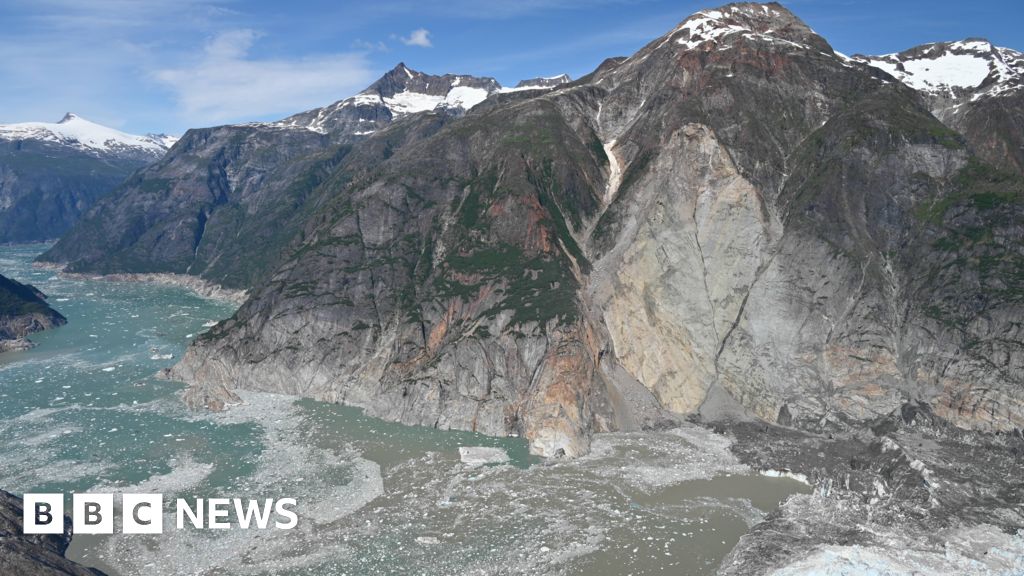
A new scientific analysis published in the journal Science has confirmed that a massive megatsunami striking Tracy Arm Fjord in southeast Alaska last summer was the second largest ever recorded. The event, which generated a wave reaching nearly 500 metres in height, was triggered by minor seismic activity that caused a landslide of 64 million cubic metres of rock to collapse into the fjord.
Researchers utilising field work, seismic data, and satellite imagery have reconstructed the sequence of events, identifying that retreating glaciers played a critical role in the instability. Dr Stephen Hicks of University College London noted that the glacier had previously helped to hold up the rock mass. As the ice retreated due to climate change, it exposed the base of the cliff face, removing the support required to maintain stability and allowing the rock material to suddenly collapse.
Dr Bretwood Higman, an Alaskan geologist who inspected the damage at the site, described the event as a close call for tourist cruise ships. The wave occurred in the early hours of the morning, a timing that spared the vessels from the devastation. Higman observed broken trees and vast swathes of scarred rock stripped of soil and vegetation, warning that the risks of such events are increasing significantly.
The study highlights a broader policy concern regarding the frequency of these hazards. Higman estimates that the occurrence of megatsunamis may have increased by an order of magnitude, or ten times, over the last few decades. This assessment is driven by the accelerating rate of glacier melt, which alters the structural integrity of coastal cliffs in glacial environments, making previously stable areas vulnerable to sudden collapse.
Alaska remains particularly susceptible to such events due to its combination of steep mountains, narrow fjords, and frequent seismic activity. While megatsunamis are localised waves distinct from open-ocean tsunamis, the potential for destruction in populated or tourist areas remains a serious governance challenge. The researchers are now calling for wider monitoring of hazards in parts of Alaska that might be vulnerable to similar geological failures.
In response to these findings, some cruise companies have announced they will halt operations in the Tracy Arm Fjord area due to safety fears. The decision underscores the growing tension between tourism interests and the escalating environmental risks posed by climate change in the region.