Saudi Arabia's Public Investment Fund ends funding for LIV Golf after 2026
Gene Davis appointed chairman of new board as LIV Golf seeks to replace sovereign wealth backing with franchise investment
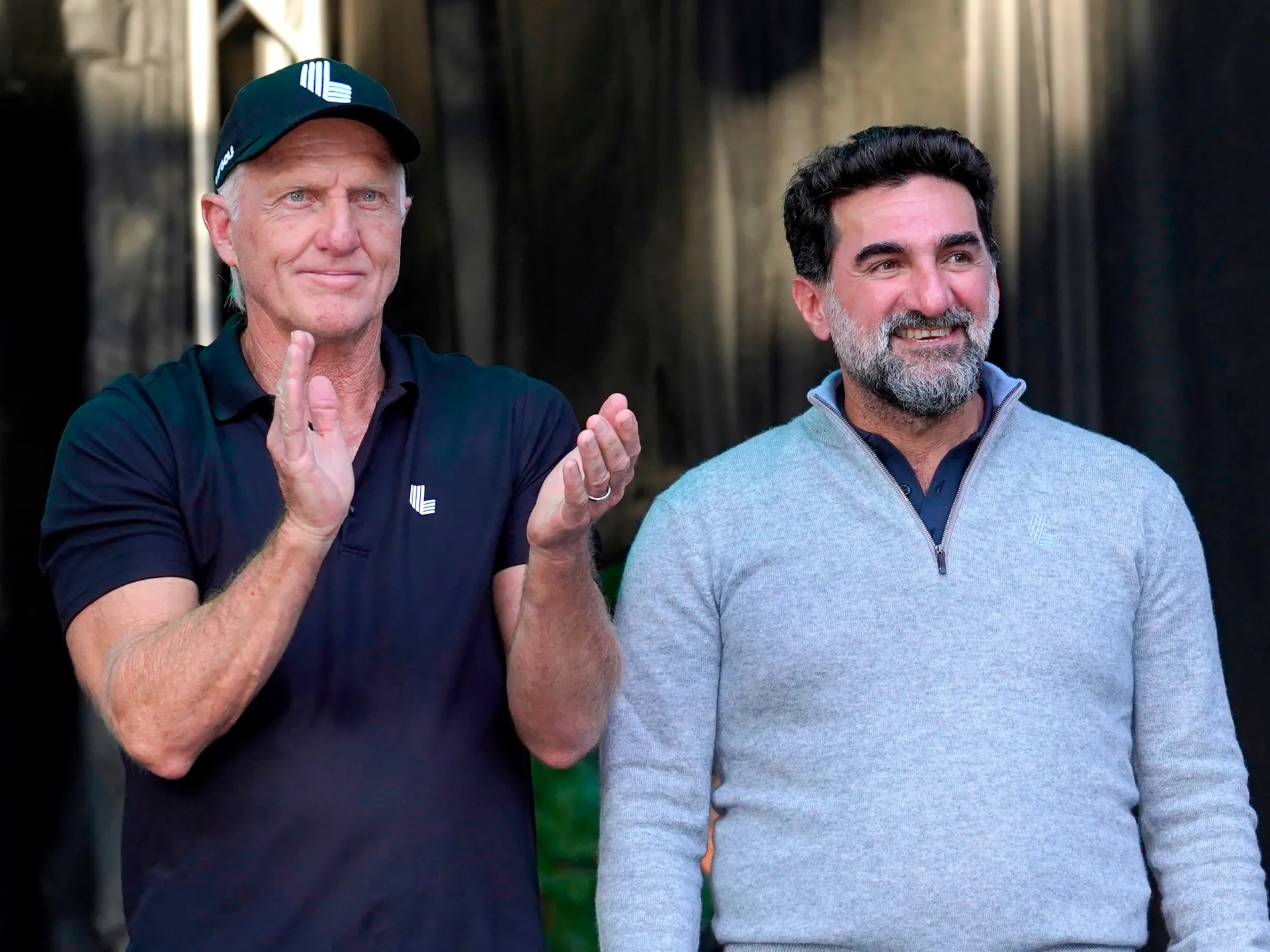
Saudi Arabia's Public Investment Fund (PIF) has confirmed it will cease funding the LIV Golf league following the conclusion of the 2026 season. The sovereign wealth fund stated that the substantial long-term investment required by the league is no longer consistent with its current phase of investment strategy, citing a shift in investment priorities and current macro dynamics. This decision marks the end of the single-source financial backing that enabled the league to launch nearly four years ago with oversized contracts and prize funds.
In response to the funding withdrawal, LIV Golf has announced the appointment of a new board of directors led by Gene Davis as chairman. Davis, representing the Pirinate Consulting Group, joins Jon Zinman of JZ Advisors to lead the newly created board, which aims to secure long-term investment from multiple partners and team franchises. The league's executive leadership, including CEO Scott O'Neil, has indicated a clear opportunity to formalise the league's structure and attract capital to position the business for growth without reliance on the previous Saudi model.
The Public Investment Fund noted in its statement that the decision was made in light of its investment priorities and current macro dynamics, while affirming its continued commitment to deploying capital internationally in line with its strategy. PIF Governor Yasir Al-Rumayyan, who was instrumental in the league's creation and previously sought to integrate with the PGA Tour Enterprises board, is no longer listed as LIV Golf's chair. The fund remains committed to sports as a priority sector but has determined that the specific requirements of LIV Golf do not align with its broader strategic horizon beyond the 2026 season.
Financially, the league has reported substantial growth since its inception in 2022, with reported spending reaching $5.3 billion and figures expected to approach $6 billion by the end of 2026. Each tournament currently offers $30 million in prize funds, a structure that has been central to the league's global expansion. Despite the funding shift, LIV Golf expects 10 of its 13 teams to be profitable in the current year, though the transition to a sustainable business plan remains a critical focus for the new leadership team.
Operational adjustments are already underway as the league restructures its schedule. The June 25–28 tournament in Louisiana has been postponed to the autumn, while the May 7–10 event in northern Virginia remains scheduled. This shift reflects the league's effort to navigate the financial landscape while continuing to promote the game across the world. The new board intends to evaluate strategic alternatives for the league's future beyond PIF's funding horizon, focusing on securing diverse long-term financial partners.
The departure of Saudi backing follows years of tension between the league's team concept and the PGA Tour's traditional format. While high-profile players such as Bryson DeChambeau, Brooks Koepka, Phil Mickelson, Cameron Smith, and Jon Rahm were signed using Saudi financial muscle, the league faces the challenge of retaining talent as lucrative contracts expire. The PGA Tour previously offered a return path to several top players, but none accepted, leaving LIV Golf to forge its own path in an increasingly competitive global sports market.