Saudi Arabia records higher foreign hajj attendance despite regional conflict
Saleh Al-Murabba confirms 1,518,153 arrivals as Gulf airlines restore capacity following airspace closures triggered by recent strikes on Iran and Saudi targets.
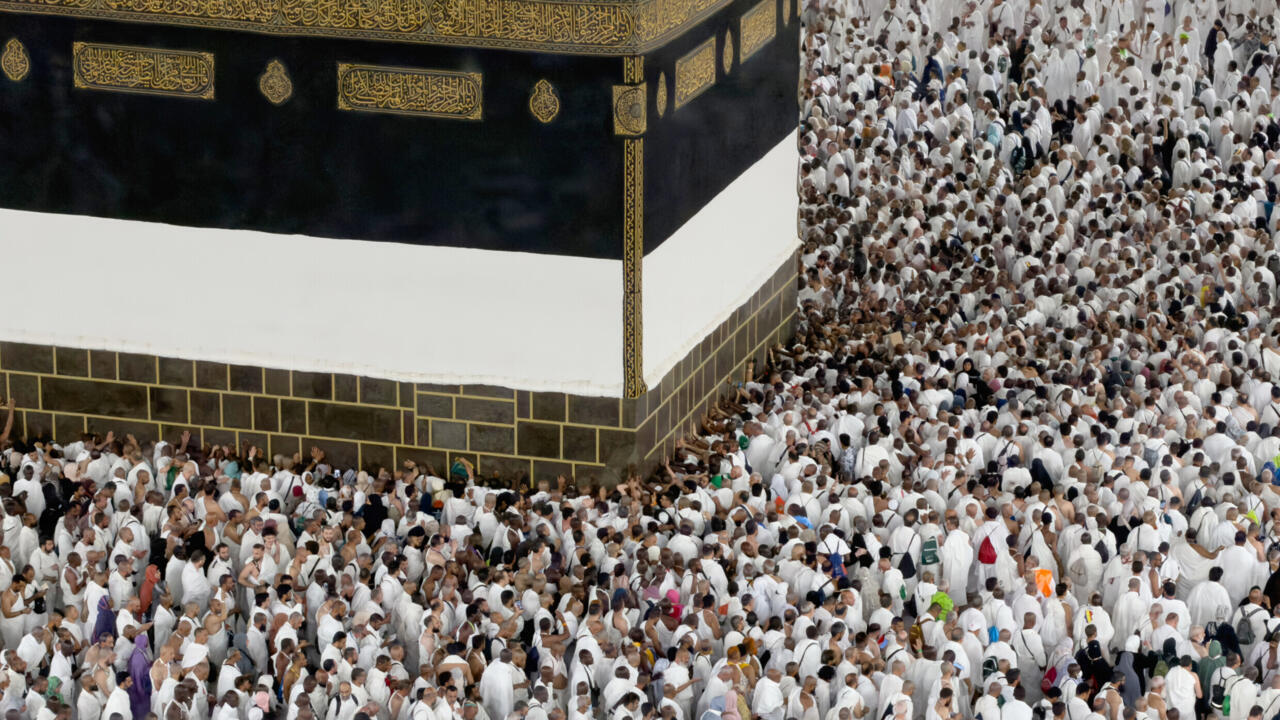
Saudi Arabia has recorded a significant increase in foreign pilgrims for this year’s hajj, with official data confirming that international arrivals have surpassed last year’s figures despite the ongoing conflict in the Middle East. Saleh Al-Murabba, commander of Saudi Arabia’s Hajj Passport Forces, confirmed at a press conference late Friday that 1,518,153 international pilgrims had arrived in the kingdom.
The current year’s international attendance exceeds the 1,506,576 foreign pilgrims recorded during last year’s hajj. However, the total number of participants, including local pilgrims, reached 1,673,320 in the previous year. Al-Murabba noted that arrival numbers are expected to rise further over the next two days before the formal rituals commence on Monday.
The pilgrimage proceeds despite significant logistical challenges caused by the regional security crisis. The conflict was triggered by US and Israeli strikes on Iran in late February, which prompted Tehran to order waves of strikes on targets in Saudi Arabia and across the Gulf region. These actions led to widespread air traffic disruptions, Gulf airspace closures, and a surge in travel costs.
In response to the security situation, major Gulf airlines in the United Arab Emirates, Qatar, and Bahrain have worked to restore operational capacity after weeks of flight cancellations. Despite the complications and heightened risks, pilgrims have continued to travel to Saudi Arabia to perform the hajj, one of the five pillars of Islam, which is obligatory for Muslims who are physically and financially able.
The final total number of pilgrims remains unconfirmed as arrivals continue ahead of the Monday start date. While the long-term impact of the conflict on future participation remains unclear, the current data indicates a resilient level of attendance in the face of regional instability.