Saudi Arabia, Pakistan and Turkiye forge trilateral defence pact in Mecca
The agreement stipulates that an armed attack on any signatory will be considered an attack on all, raising questions about the future of US influence in West Asia.
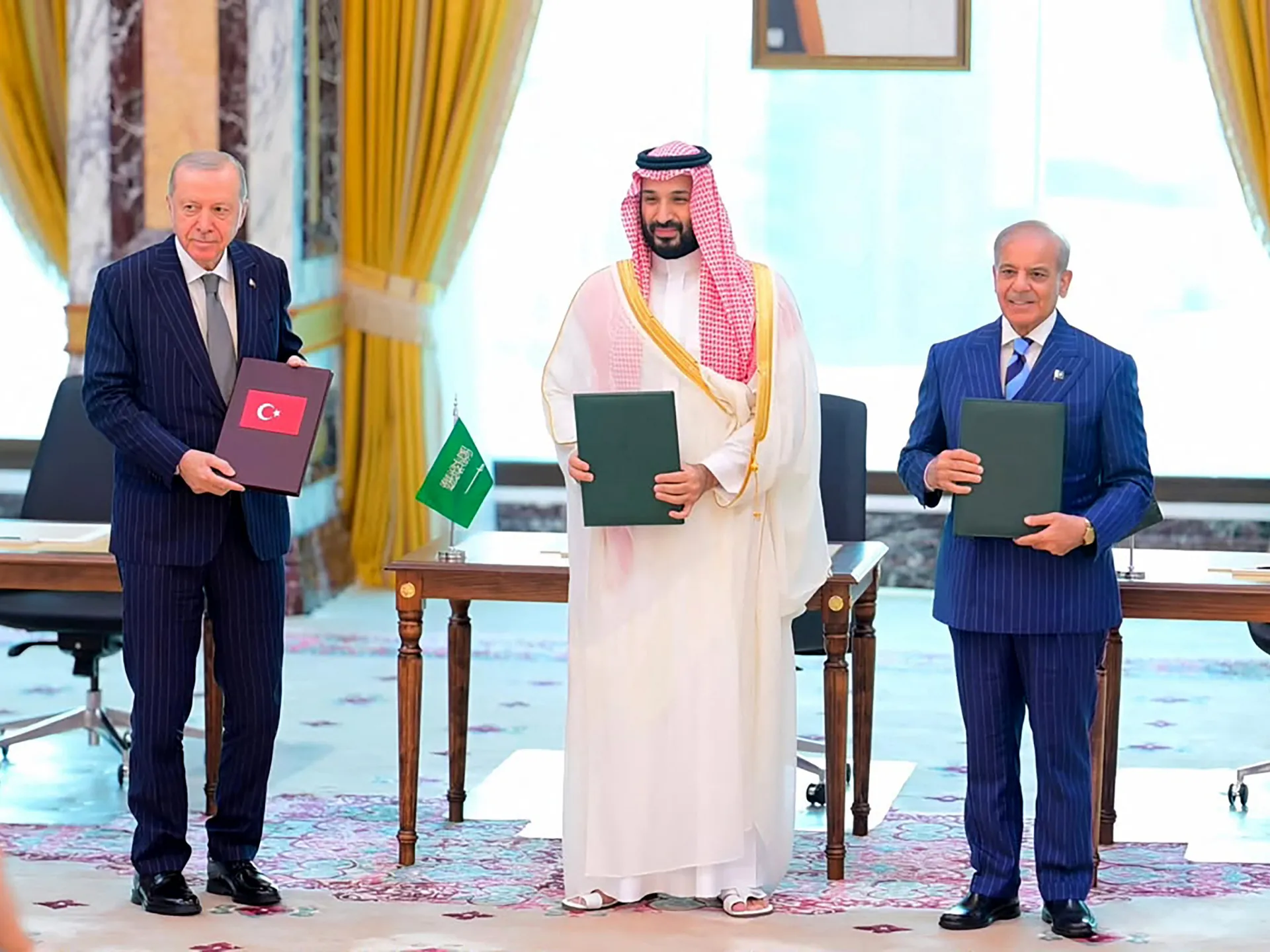
Saudi Arabia, Pakistan and Turkiye have signed a trilateral mutual defence pact in Mecca, establishing a new regional security framework that stipulates an armed attack on any signatory will be treated as an attack on all three nations. The agreement, finalised after years of negotiations, expands an existing mutual defence arrangement between Riyadh and Islamabad to include Ankara, creating a formalised bloc that has carefully avoided identifying a specific external threat.
The pact was announced more than five months after the United States and Israel launched a bombing campaign against Iran, a conflict that subsequently spread to the Gulf and disrupted maritime traffic through the Strait of Hormuz. While the signatories have stressed that the deal does not abrogate existing agreements with other nations, its timing has drawn scrutiny from analysts who view it as a response to perceived US unreliability and a diminishing American role in the region.
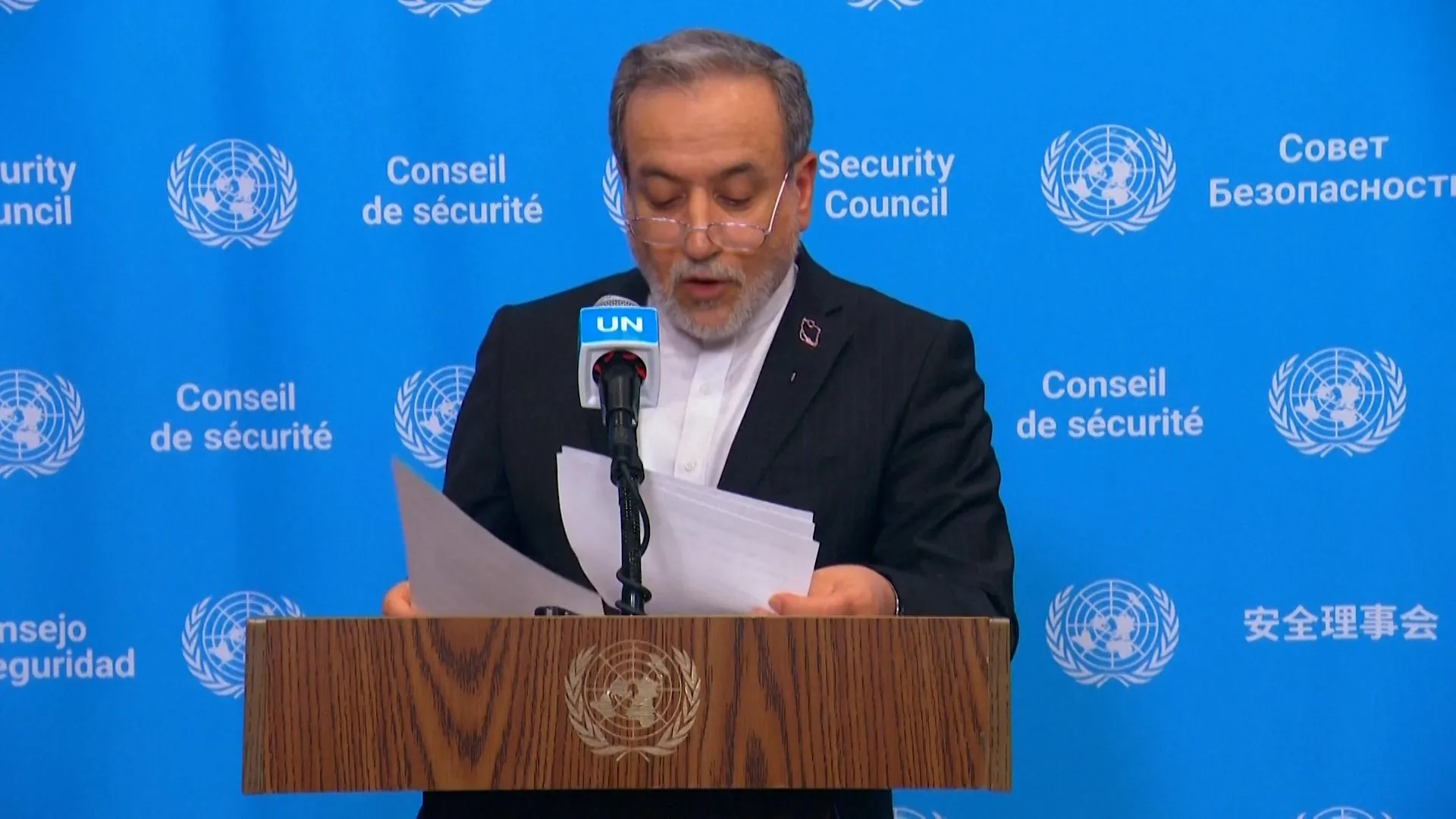
Iranian officials have largely responded with subdued reactions, framing the agreement as an indicator of declining American hegemony and increased Muslim cooperation. Hossein Noushabadi, a senior official at Iran’s Ministry of Foreign Affairs, described the pact to local media as the beginning of the collapse of US security hegemony in West Asia and the Persian Gulf. He suggested the arrangement heralds a new regional security order based on cooperation among regional states, replacing power structures imposed by extra-regional actors.
Despite the official calm, some hardline Iranian lawmakers have expressed concern that the pact could target the “resistance front” and degrade Pakistan’s credibility as a mediator. Ebrahim Azizi and Ebrahim Rezaei, members of Iran’s parliament’s National Security and Foreign Policy Commission, warned on social media that the agreement could ultimately be directed against Tehran-backed forces. However, analysts such as Hamidreza Azizi of the Clingendael Institute note that Tehran is not immediately threatened, emphasising that the pact currently lacks the substance to force member states into direct conflict with Iran-aligned groups in Yemen or Iraq.
Experts suggest the agreement serves as a balance to the Abraham Accords, particularly as US President Donald Trump recently linked a civil nuclear deal sought by Saudi Arabia with regional normalisation efforts with Israel. While expansion to other states such as Egypt has been floated, analysts argue that for Iran to consider future membership, there would need to be a sustainable end to regional attacks, including those in the Strait of Hormuz.