Saudi Arabia, Pakistan and Turkey forge mutual defence pact amid Iran war
The Mecca Joint Defence Agreement stipulates that an armed attack on one signatory is considered an attack on all, marking a significant shift in Middle Eastern security architecture.
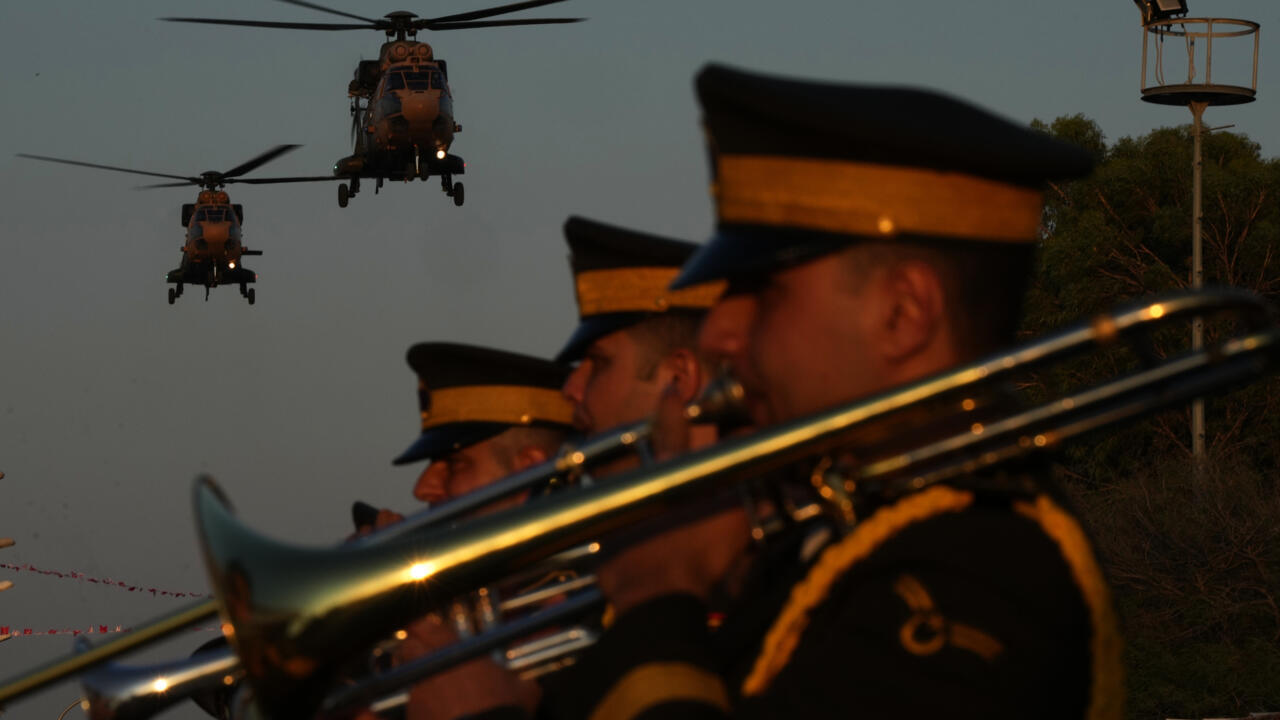
Saudi Arabia, Pakistan, and Turkey have signed a mutual defence agreement in Jeddah, establishing a collective security framework where an armed attack against any one of the three states is regarded as an attack against them all. The pact, described by officials as purely defensive, aims to strengthen collective deterrence amid the ongoing conflict with Iran and broader regional instability.
The agreement, dubbed the Mecca Joint Defence Agreement by Saudi broadcaster Al Arabiya, was signed by Saudi Crown Prince Mohammed bin Salman, Turkish President Recep Tayyip Erdogan, and Pakistani Prime Minister Shehbaz Sharif. The Turkish official overseeing the deal confirmed that the pact is not directed against any specific actor and remains open to other regional countries. It also does not abrogate or replace existing bilateral or multilateral agreements between the signatories or with other states.
The signing follows a period of heightened tension since the Iran war began on 28 February 2026. Saudi Arabia has faced repeated strikes from Iran and Tehran-backed Houthi rebels in Yemen. On Thursday, Houthi forces killed at least 58 Yemeni government troops in missile and drone attacks on military bases in the Marib and Hadramawt provinces. The same day, more than 10 civilians, including a four-year-old child, were injured in Saudi Arabia’s Najran region following Houthi attacks near the border.
Pakistani Prime Minister Shehbaz Sharif arrived in Jeddah on Thursday accompanied by Army Chief Asim Munir. The delegation performed the Umrah pilgrimage in Mecca on Friday morning before meeting with their counterparts. Pakistan’s foreign ministry stated the visit, scheduled from 6 to 8 August, was intended to reinforce security ties in a volatile environment.
Market reactions to the geopolitical developments were immediate, with oil prices rising on concerns over the Strait of Hormuz. Brent crude futures increased by 1.2% to $83.48 a barrel, while US West Texas Intermediate futures rose 1.1% to $78.84. The price hike coincides with reports that Iran, working with Oman, has suggested banning vessels deemed hostile from the strategic waterway and imposing fines on violators.