Satellite operators face launch crisis as SpaceX winds down Falcon 9 operations
Industry experts warn the imbalance between demand and supply will likely worsen before 2028, with significant improvements not expected until the early 2030s.
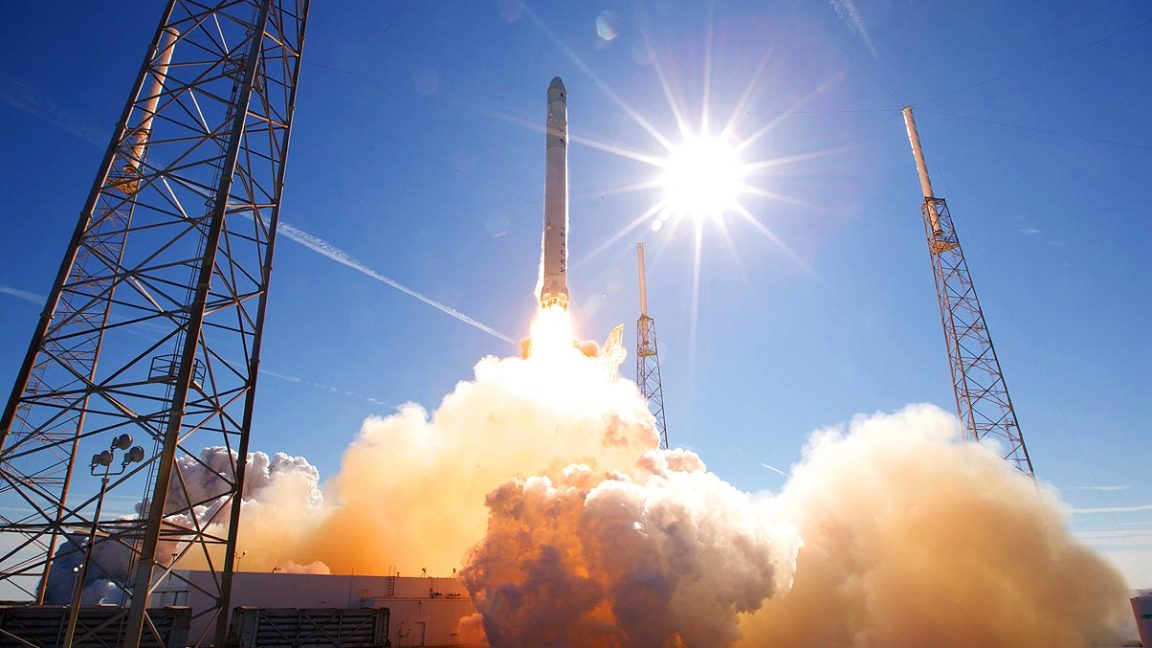
Satellite operators are grappling with a severe global launch capacity crunch as SpaceX reduces its Falcon 9 flight rates to prioritise the Starship rocket. This strategic shift has created a significant gap in Western launch availability, a void that competitors such as United Launch Alliance’s Vulcan and Blue Origin’s New Glenn have been unable to fill due to technical delays and outages. With Asian providers offering only limited capacity, demand for launches is currently outstripping supply.
The situation has prompted what Caleb Henry, director of research at Quilty Space, describes as an industry in panic. Satellite companies are reporting that launch availability has become the primary constraint on deploying constellations. Telesat recently declined requests from other firms to share its booked Falcon 9 launches, while Amazon has had to throttle back satellite production for its LEO constellation because fewer of its previously booked launches are ready. AST SpaceMobile has similarly identified launch availability as the pacing item for its deployment.
SpaceX, which drove a three-fold increase in launch frequency over the last decade, has already moved beyond peak Falcon 9 operations. The company flew 165 missions last year and is projected to fly approximately 20 fewer this year. Financial documents indicate that commercial launch services account for less than 12 percent of SpaceX’s revenue, with the majority derived from its own Starlink payloads. Consequently, the company intends to wind down Falcon 9 operations as quickly as possible, with commercial launches potentially ending after 2028.
The crisis is compounded by the struggles of other major Western providers. United Launch Alliance’s Vulcan has faced ongoing issues with its Northrop Grumman solid rocket boosters, resulting in only two military launches since its debut in January 2024. Blue Origin’s New Glenn was offline until late 2026 following a static fire test explosion in Florida that destroyed its launch pad. In Europe, Ariane 6 has made progress but targets only ten vehicles a year, insufficient to meet global demand.
Industry experts warn that the launch crisis will likely worsen before 2028. New medium-lift vehicles from companies such as Stoke Space, Rocket Lab, and Relativity Space are in development, but scaling operations will take time. A return to balance is not expected until the early 2030s, leaving satellite operators with a prolonged period of constrained access to space.